On this page
A fireplace is easy to take for granted until something stops working right. A smoky fire, a sooty smell that lingers for days or a gas fireplace that clicks but never lights are all problems that fireplace repair is meant to solve. The goal is simple: a fireplace that burns cleanly, sends smoke up the flue and keeps heat and flame where they belong.
What fireplace repair covers and who needs it
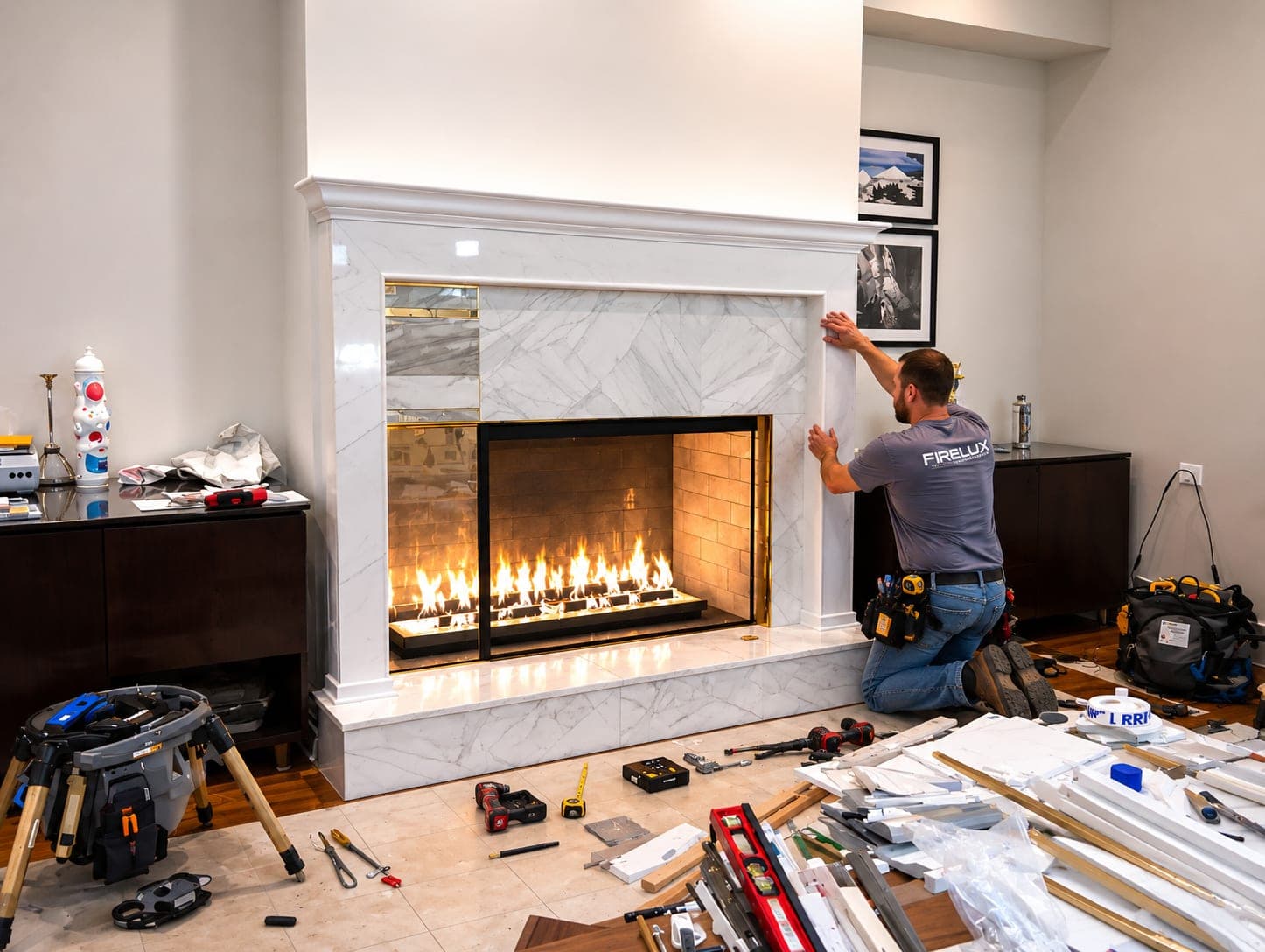
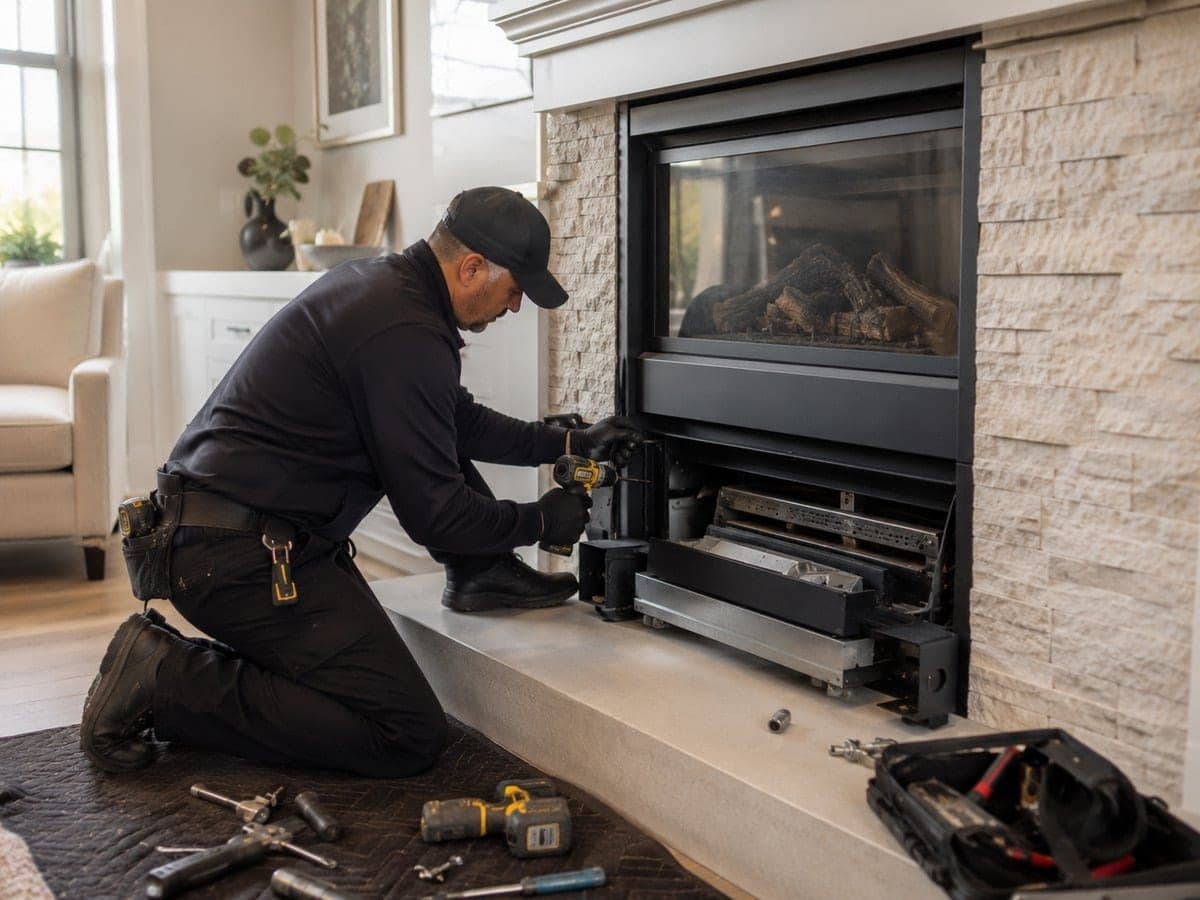
Fireplace repair deals with the parts you can see from the room and the parts just above them: the firebox, the damper, the smoke chamber, the doors and glass, and on gas and electric units, the controls and components that make them run. If you aren't sure which part is which, our guide to fireplace anatomy walks through each one.
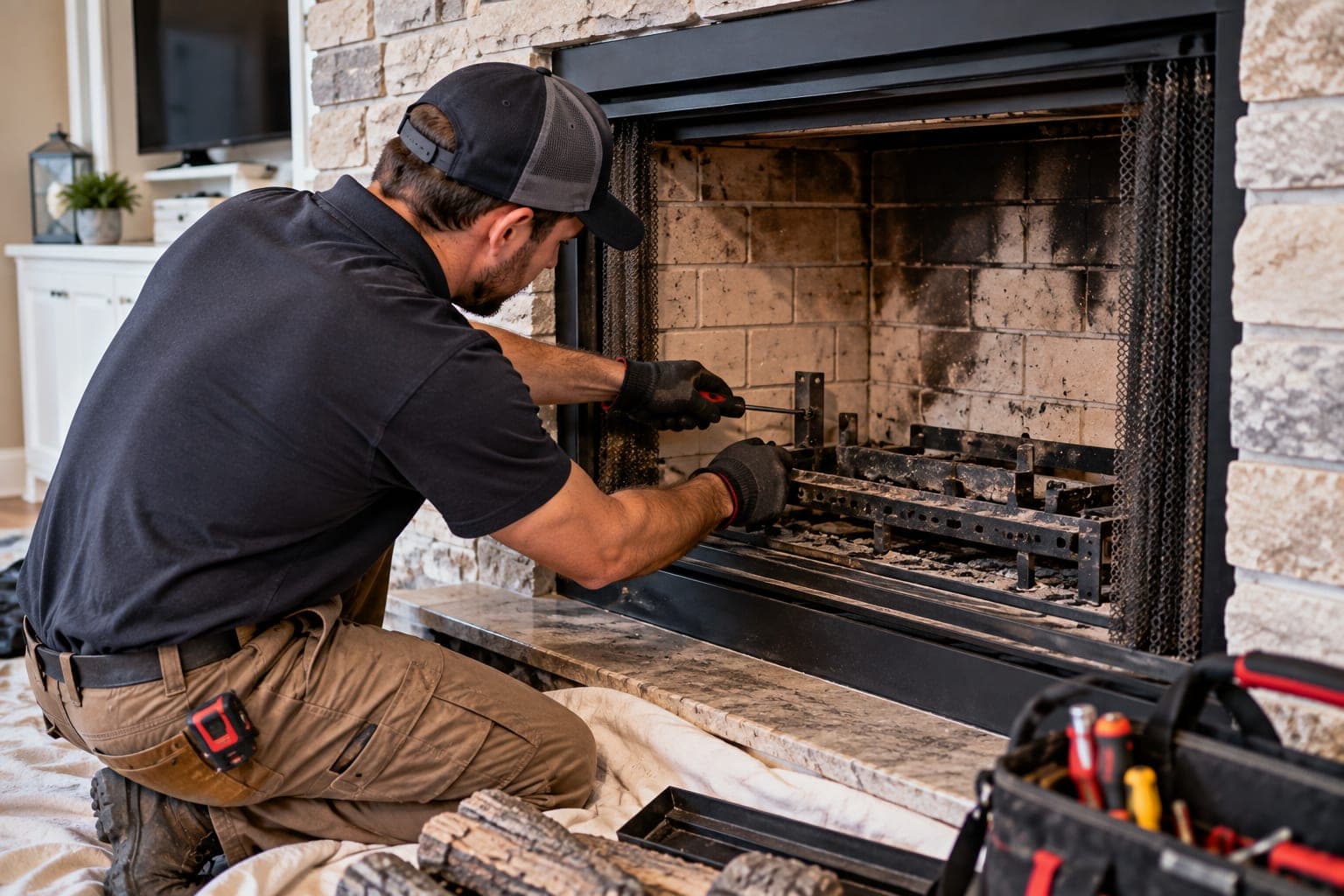
Most homeowners who call us fall into one of these groups:
- Wood-burning fireplace owners with cracked brick, loose mortar joints, a stuck damper or a fire that won't draw.
- Gas fireplace owners whose unit won't ignite, shuts off on its own or shows damaged glass or logs.
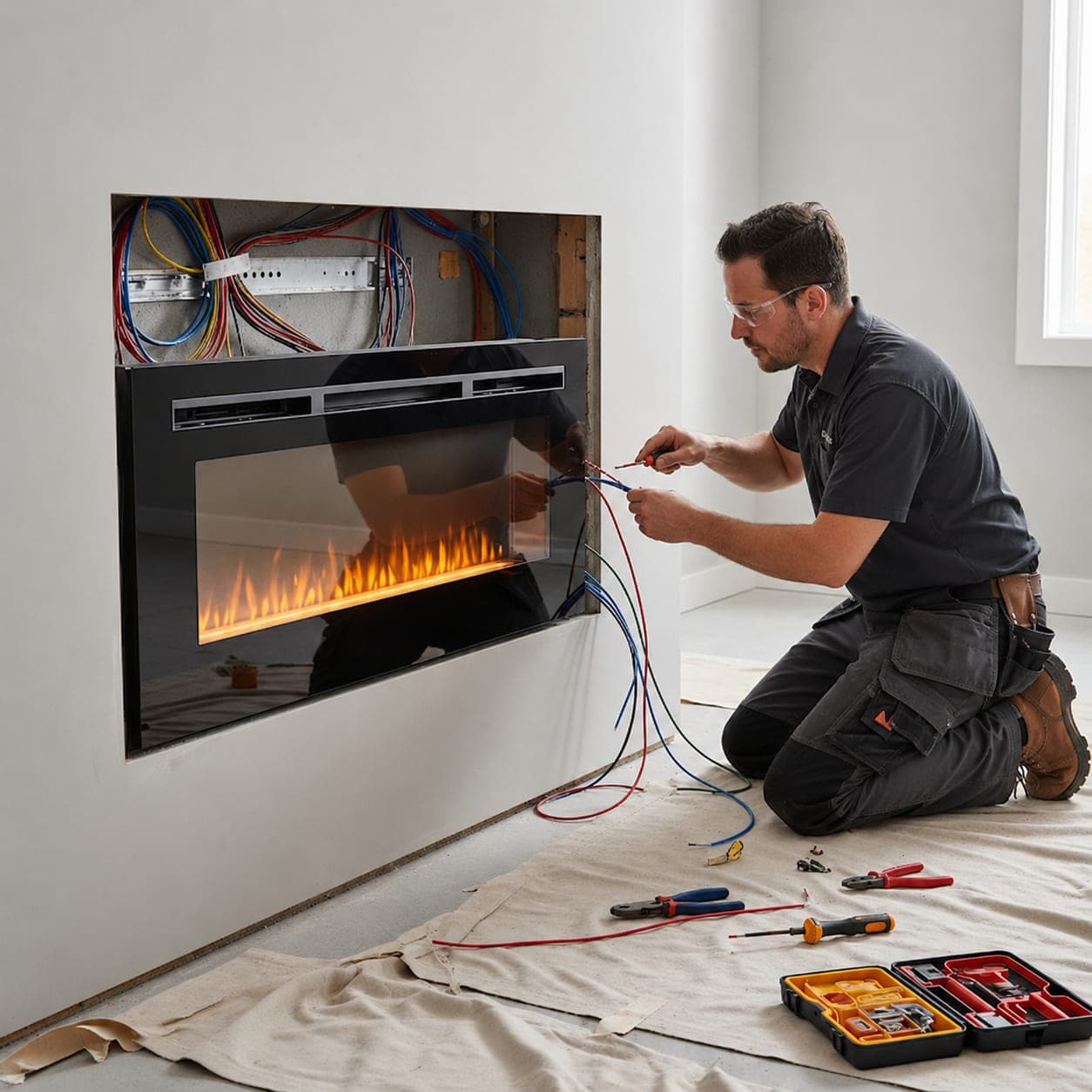
- Electric fireplace owners dealing with a unit that won't heat, flickers or has dead controls. For one common brand, see our electric fireplace repair service.
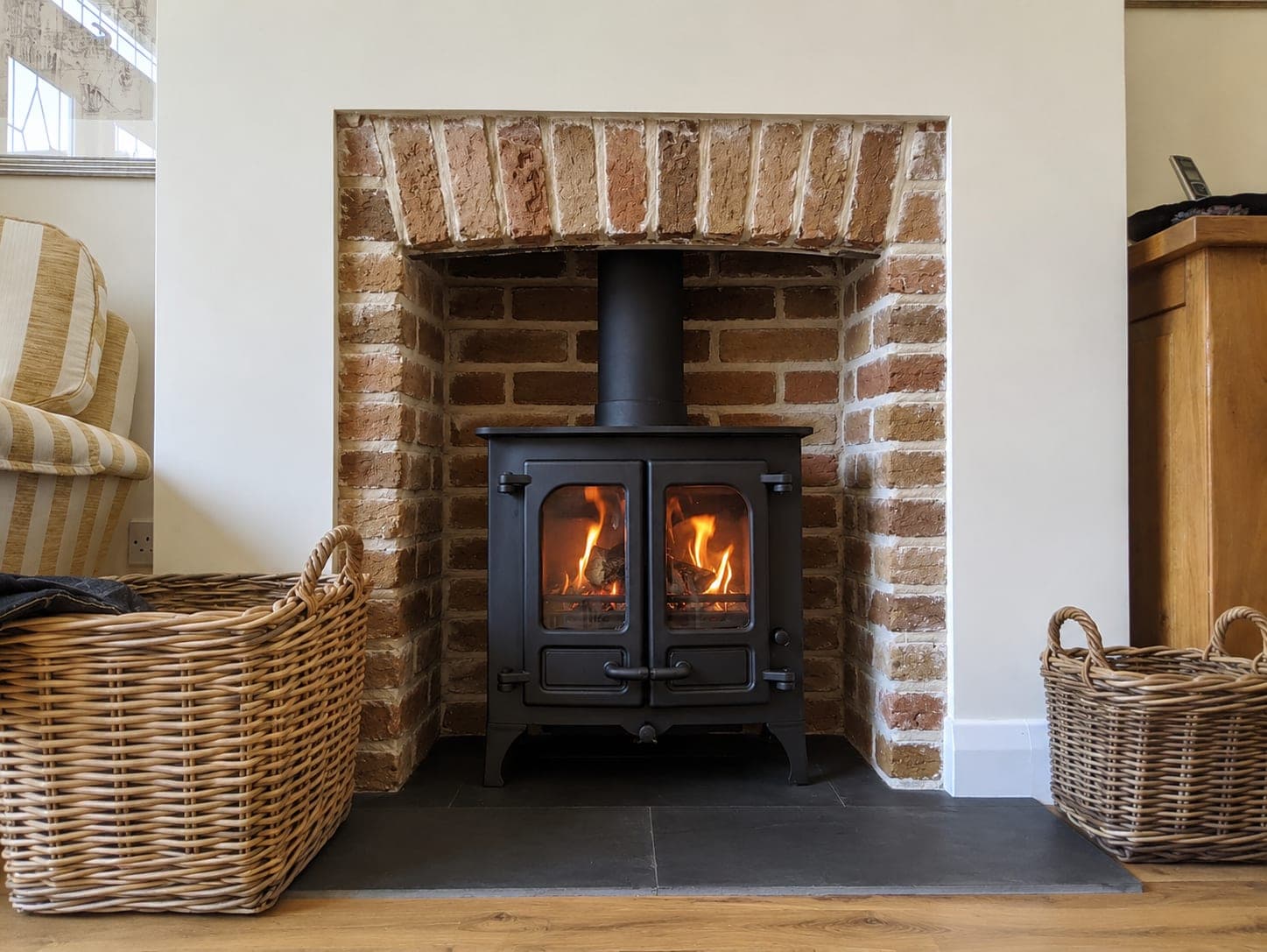
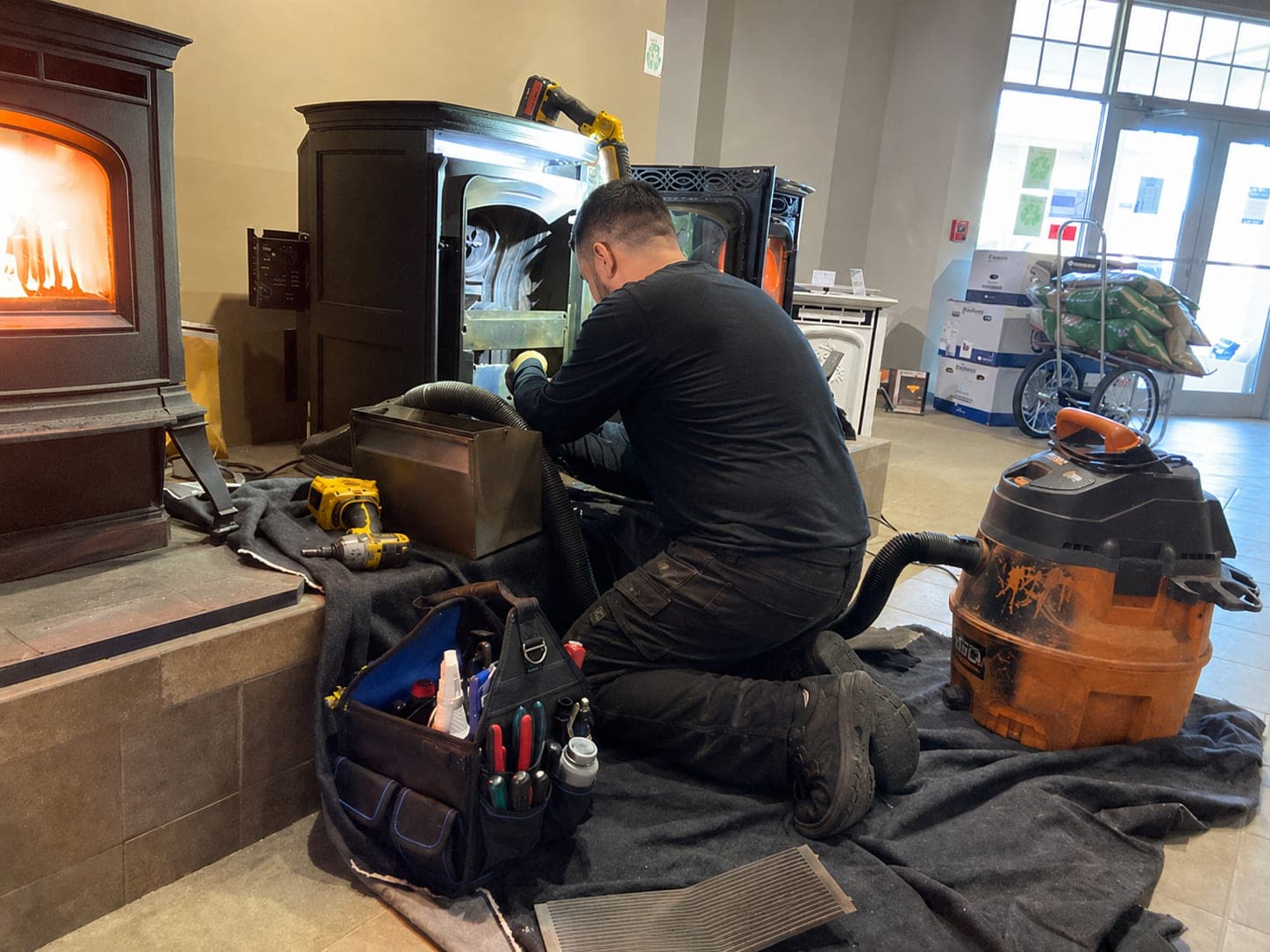
- Wood stove and insert owners with worn gaskets, damaged doors or panels. Our wood fireplace repair page covers that brand in more detail.
- Buyers and sellers who had problems flagged during an inspection and need them fixed.
Signs your fireplace needs repair
Some problems are obvious. Others build quietly over several seasons. Watch for these:
- Cracked, crumbling or missing firebrick, or mortar joints you can scrape out with a fingernail.
- Cracked or spalling refractory panels in a prefab (factory-built) fireplace.
- Smoke spilling into the room, especially when the fire is first lit.
- A damper that sticks, won't fully open or won't seal when closed.
- Cracked, cloudy or loose door glass, or doors that don't latch.
- A strong smoky or musty smell when the fireplace isn't in use.
- Rust, water stains or flaking material inside the firebox.
- A gas fireplace with a pilot that goes out, delayed ignition or a flame that looks wrong.
- An electric unit that trips a breaker, runs without heat or has an unresponsive remote.
Stop using the fireplace if you notice these
If you smell gas, leave the house right away and call your gas utility or 911 from outside. Don't switch lights or appliances on or off. If smoke keeps pouring into the room or a crack lets you see light or flame where you shouldn't, put the fire out safely and don't relight it until it's been checked. If a carbon monoxide alarm sounds, get everyone outside and call 911. We accept emergency calls and are available 24 hours, Sunday through Friday.
What a repair visit involves
How a fireplace repair visit works
Tell us what you're seeing
Describe the symptoms, the type of fireplace and when the problem started. Same-day visits are possible where the schedule allows.
Inspect the fireplace
We look at the firebox, damper, smoke chamber, doors and, on gas or electric units, the working components to find the cause, not just the symptom.
Explain what we found
You get a plain explanation of the problem, the repair options and what each involves, along with a free estimate.
Protect the room and make the repair
We cover floors and furniture near the hearth, then do the agreed work, whether that's masonry, panels, glass, damper or component repairs.
Test and walk you through it
We check that the damper works, the doors seal and gas or electric units run correctly, then tell you about curing times or anything to watch for.
What we check and fix
Fireplace repair checklist
- Firebrick and mortar joints in masonry fireboxes
- Refractory panels in prefab fireplaces
- Smoke chamber walls and smoke shelf
- Damper plate, handle, hinges and seal
- Fireplace doors, glass, gaskets and latches
- Draft: how well smoke moves into the flue
- Signs of water entry inside the firebox
- Gas valve, pilot, igniter and burner function
- Gas logs and media placement
- Electric unit heater, flame effect, wiring and controls
- Hearth and surround condition near the opening
Repair options and what decides between them
The same symptom can call for very different fixes. Here's how the common choices break down.
| Problem | Typical options | What decides it |
|---|---|---|
| Cracked or loose firebrick | Repoint joints, replace damaged bricks, or rebuild the firebox | How many bricks are affected and whether cracks go through the brick |
| Damaged refractory panels | Panel repair or full panel replacement | Crack width, crumbling and whether replacement panels fit the unit |
| Rough or deteriorated smoke chamber | Smoke chamber repair to smooth and seal the walls | Condition of the masonry and how much smoke is reaching the room |
| Stuck or leaky damper | Adjust, repair or replace damper parts | Rust, warping and whether the frame is still sound |
| Broken door glass | Glass replacement or door repair | Whether the frame, hinges and gaskets are still in good shape |
| Poor draft | Draft repair after finding the cause | Damper position, chamber shape, blockages or flue issues |
| Worn-out prefab unit | Component repair or prefab fireplace replacement | Availability of parts and condition of the firebox and venting |
Wood-burning, gas and electric units are repaired differently
| Feature | Wood-burning | Gas and electric |
|---|---|---|
| Main wear points | Firebrick, mortar, damper, smoke chamber | Ignition parts, valves, controls, glass |
| Common cause | Heat cycling, moisture, hard use | Component failure, dirt, age |
| Typical fix | Masonry and panel work | Part repair or replacement |
| Before you use it again | Mortar may need time to cure | Full function test of the unit |
Main wear points
- Wood-burning
- Firebrick, mortar, damper, smoke chamber
- Gas and electric
- Ignition parts, valves, controls, glass
Common cause
- Wood-burning
- Heat cycling, moisture, hard use
- Gas and electric
- Component failure, dirt, age
Typical fix
- Wood-burning
- Masonry and panel work
- Gas and electric
- Part repair or replacement
Before you use it again
- Wood-burning
- Mortar may need time to cure
- Gas and electric
- Full function test of the unit
If you're weighing repairs against a broader change, such as a fireplace conversion, a new insert or switching to electric, it helps to read about what makes an efficient fireplace before deciding.
What affects the scope of a repair
- Type of fireplace: masonry, prefab, gas or electric units each need different materials and skills.
- How far the damage has spread: a few loose joints are a smaller job than a firebox that needs rebuilding.
- Hidden causes: water entry, a draft problem or a chimney issue may need to be fixed at the same time so the repair lasts.
- Parts availability: older or discontinued units may need substitute parts or a replacement.
- Access: tight surrounds, tall hearths or built-ins can make the work slower.
- Combined work: a cleaning or inspection may be needed first so we can see the surfaces clearly.
How to prepare for your visit
- Don't use the fireplace for at least a day before the visit so it's cool to work in.
- Clear the hearth and move furniture, rugs and decor a few feet back.
- Find the model and serial number on gas or electric units if you can, usually behind a lower panel or in the manual.
- Make a note of when the problem happens, such as only on windy days or only on startup.
- Keep pets and kids in another room while work is under way.
Safety notes
A damaged firebox can let heat reach framing behind the walls, and a poorly drafting fireplace can push smoke and carbon monoxide into living space. Keep working smoke and carbon monoxide alarms on every level, use a screen or closed doors when burning, and never leave a fire unattended. For more everyday habits, see our guide to fireplace safety.
Skip the quick fixes
Ordinary mortar, caulk and hardware-store sealants aren't made for firebox temperatures and can fail quickly. Heat-rated materials matter for anything inside the firebox.
Fireplace service and repair across Connecticut
We handle fireplace repairs in Hartford and in nearby towns across Connecticut. If you live outside the city, see our pages on fireplace repair for homes in West Hartford, fireplace repair in Glastonbury and fireplace repair in Manchester. Estimates are free, emergency calls are accepted and we're available 24 hours, Sunday through Friday. Get in touch to request an estimate.