On this page
What usually goes wrong with a fireplace damper
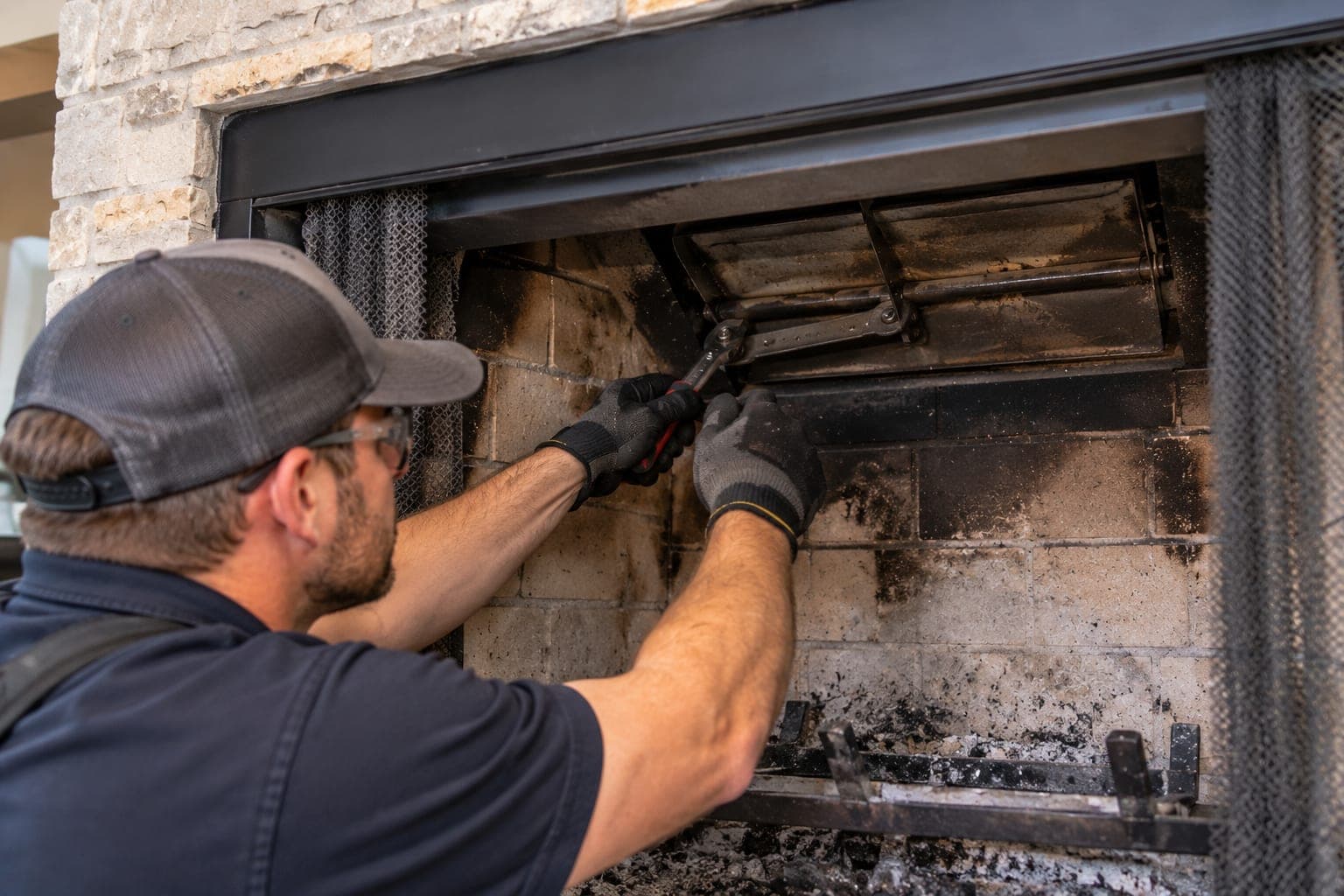
Most masonry fireplaces have a throat damper: a cast-iron or steel plate just above the firebox, worked by a handle, poker hook or rotary knob. It sits in a harsh spot, with fire heat below and rain or condensation coming down the flue above. When it fails, it tends to fail in one of a few predictable ways.
| What you notice | Likely cause | Typical repair |
|---|---|---|
| Handle moves but the plate doesn't | Broken or disconnected linkage, worn pivot | Replace linkage or pivot hardware |
| Plate won't budge | Rust or creosote locking the plate to its frame | Free and clean the plate, treat rust, adjust the fit |
| Cold draft with the damper closed | Warped plate or corroded frame that no longer seals | Straighten or replace the plate, or consider a top-sealing damper |
| Rattling in wind | Loose plate or missing stop | Re-seat and secure the plate |
| Smoke in the room at startup | Damper not opening fully, debris on the smoke shelf | Clear debris and restore full opening |
Some damper problems are really cleaning problems. Heavy creosote around the frame can keep a good plate from closing, so we check the smoke shelf and lower flue on every damper repair.
Repairing the old damper or replacing it
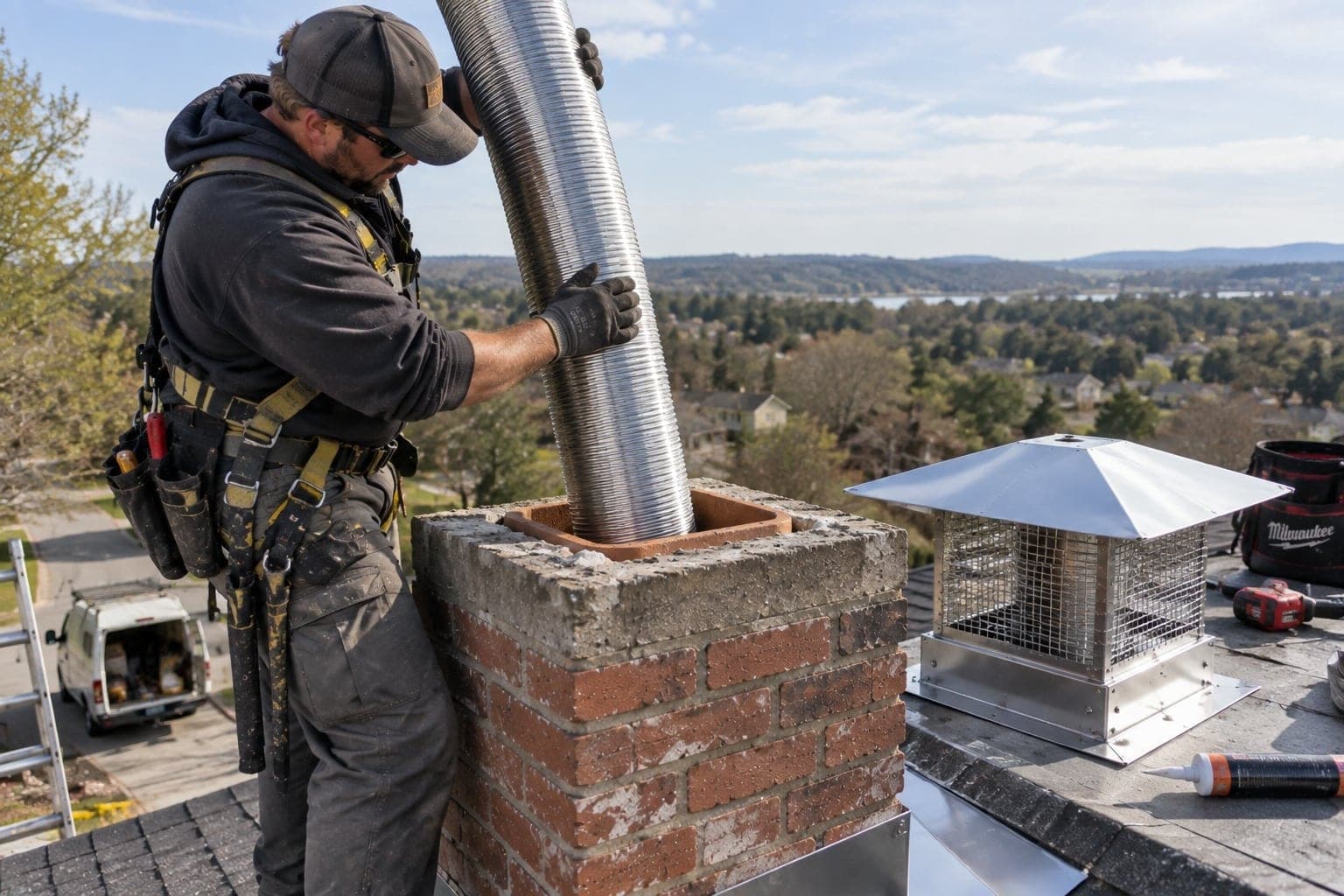
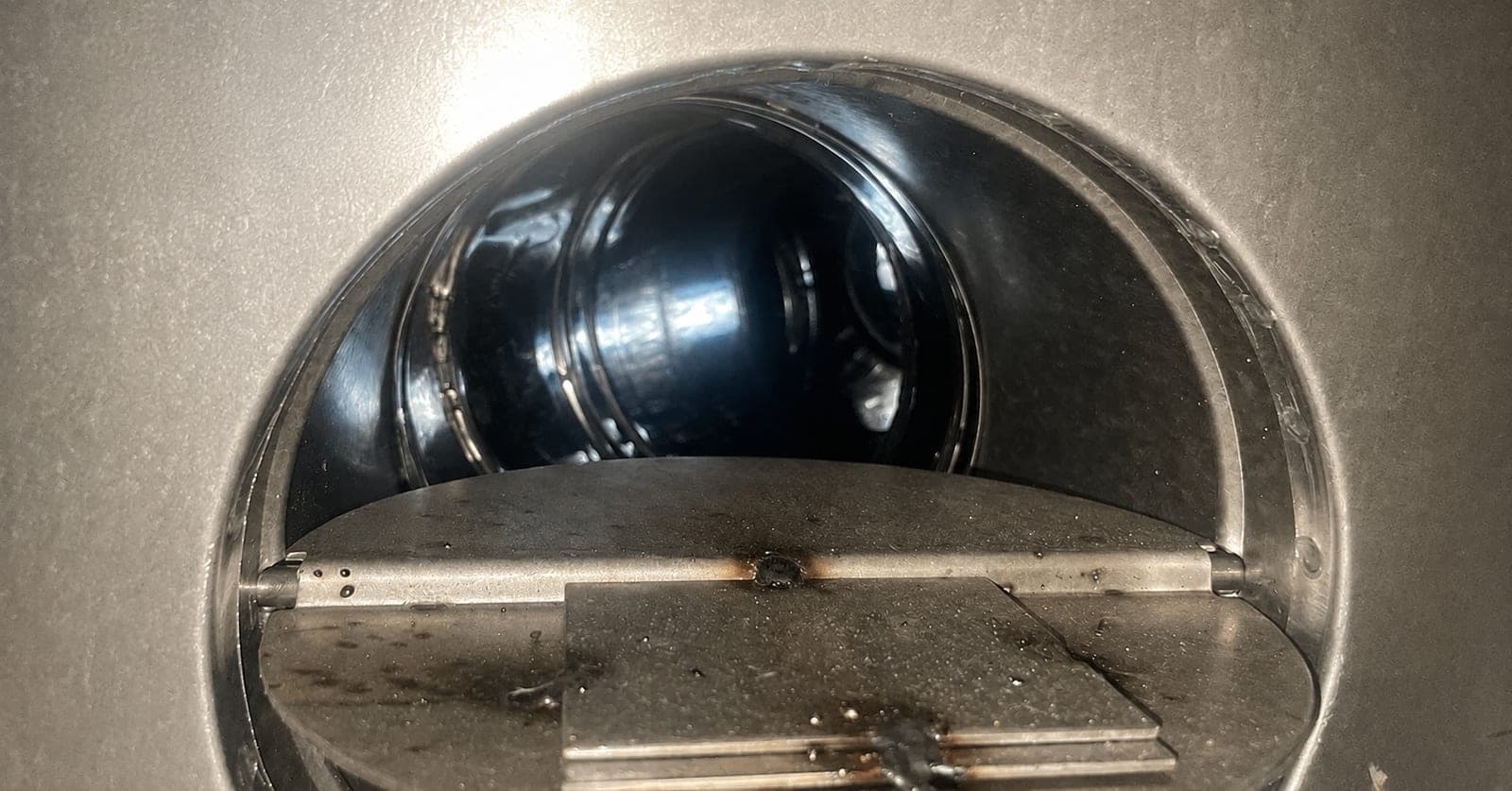
If the plate, frame and pivot are sound, repair is usually the sensible route: free it, replace worn hardware and confirm it opens fully and closes snugly. When the frame is rusted through or the plate badly warped, a new throat damper may not fit well in an older firebox. Then a top-sealing damper, mounted at the top of the flue with a gasket and a cable down to the fireplace, is often the better fix. It seals tighter and doubles as a cap; read about chimney cap damper installation before deciding.
We'll explain which option suits your fireplace and give you a free estimate first. Our chimney damper repair service page goes deeper into throat damper work.
Why dampers rust, and how to stop it happening again
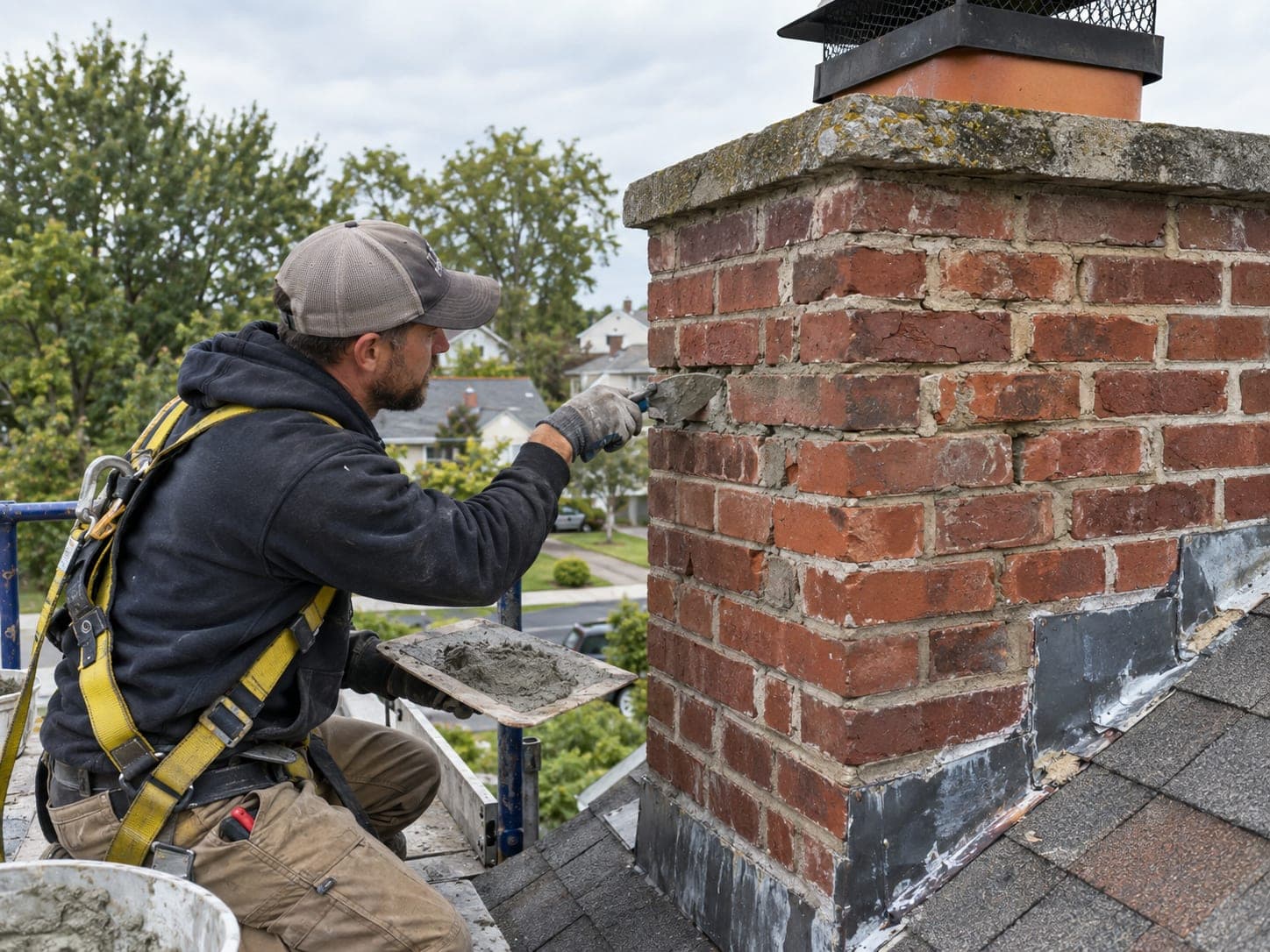
A rusted damper is usually a symptom of water in the flue. An uncapped chimney, a cracked crown or a damaged liner lets rain and condensation run straight down to the metal. Fixing the damper without dealing with the water means repeating the repair later, so we look for the source. If moisture is coming through the flue walls, our guide to understanding chimney liners explains why the liner matters.
Burning gas logs?
Vented gas logs generally require the damper to stay open or be held partly open. Check the appliance manual and tell us about it, so a repaired damper can never close on a gas fire.
How the visit works
A damper stuck partly closed sends smoke into the room. Rusted throat dampers can warp or break apart and stop sealing at all.
Check the damper
How it opens, closes and seals, and what has rusted, warped or broken.
Choose the fix
Clean and adjust, replace parts, or add a top-sealing damper at the crown.
Install or repair
The damper is repaired or installed, with its control run to the firebox where needed.
Test
Open, close and seal are checked, and you're shown how to use it.
Getting ready for the visit
- Clear the hearth and the area in front of the fireplace.
- Let the fireplace cool completely — no fire the day before.
- Note whether the damper sticks open, sticks closed or won't seal.
When to book damper repair
- Cold drafts from the fireplace when it isn't in use
- A damper handle that won't move or moves without opening anything
- Smoke in the room even with the damper open
- A damper plate that's missing or broken
What the technician checks
- Damper plate and frame
- Handle, chain or control
- Rust and warping
- Smoke chamber above the damper
- Seal when closed
- Crown and flue top for a top-sealing damper
Damper open before every fire
Always open the damper fully before lighting a fire and leave it open until the fire is completely out and the fireplace is cold. A closed damper sends smoke and carbon monoxide into the room.