On this page
What separates amazing fireplace designs from pretty ones
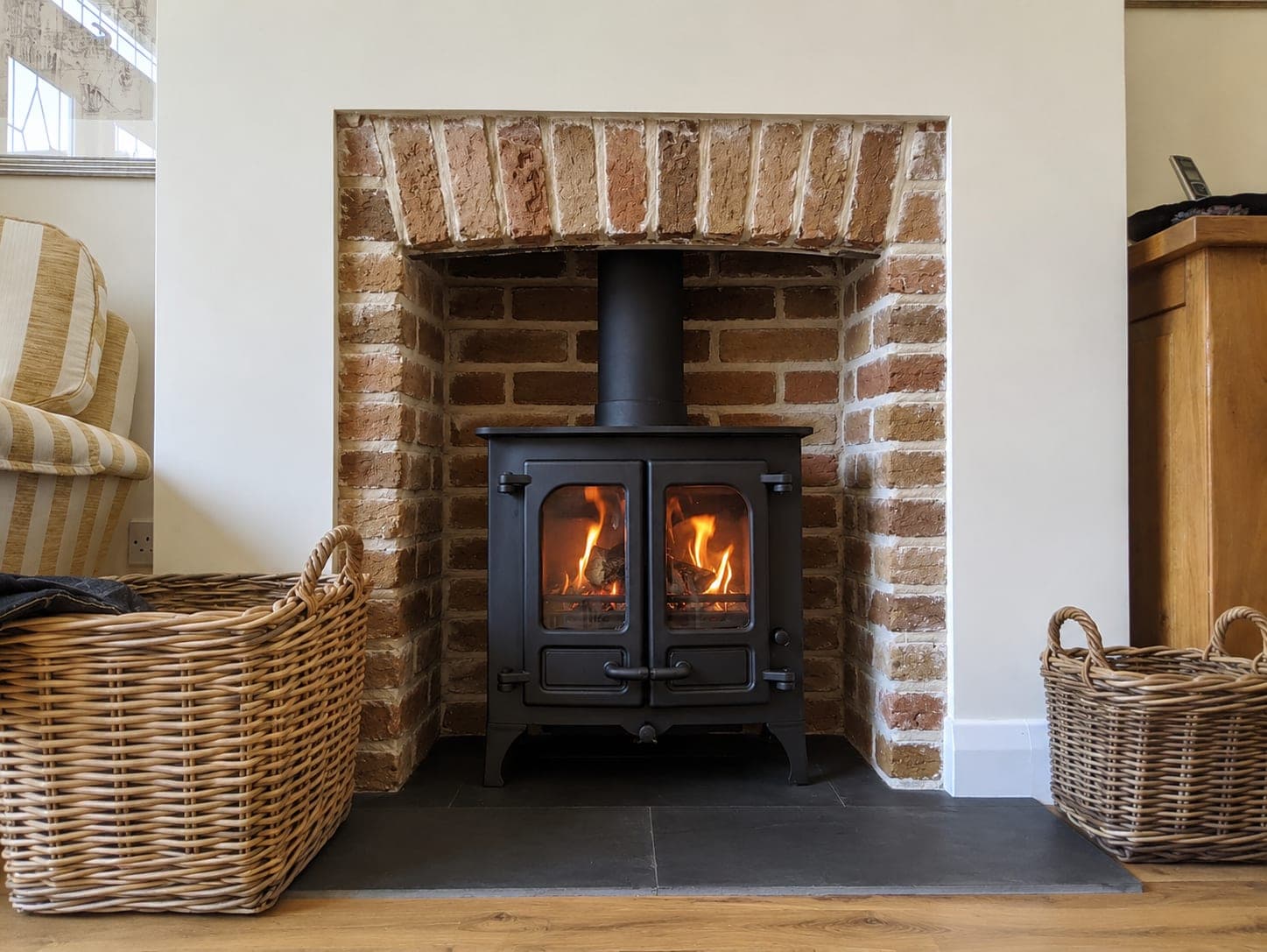
The fireplaces people remember look great and draw cleanly every time. That balance comes from decisions made early, before anyone picks stone or tile. The size of the opening has to suit the flue, the hearth has to protect the floor, and anything flammable has to sit far enough from the heat.
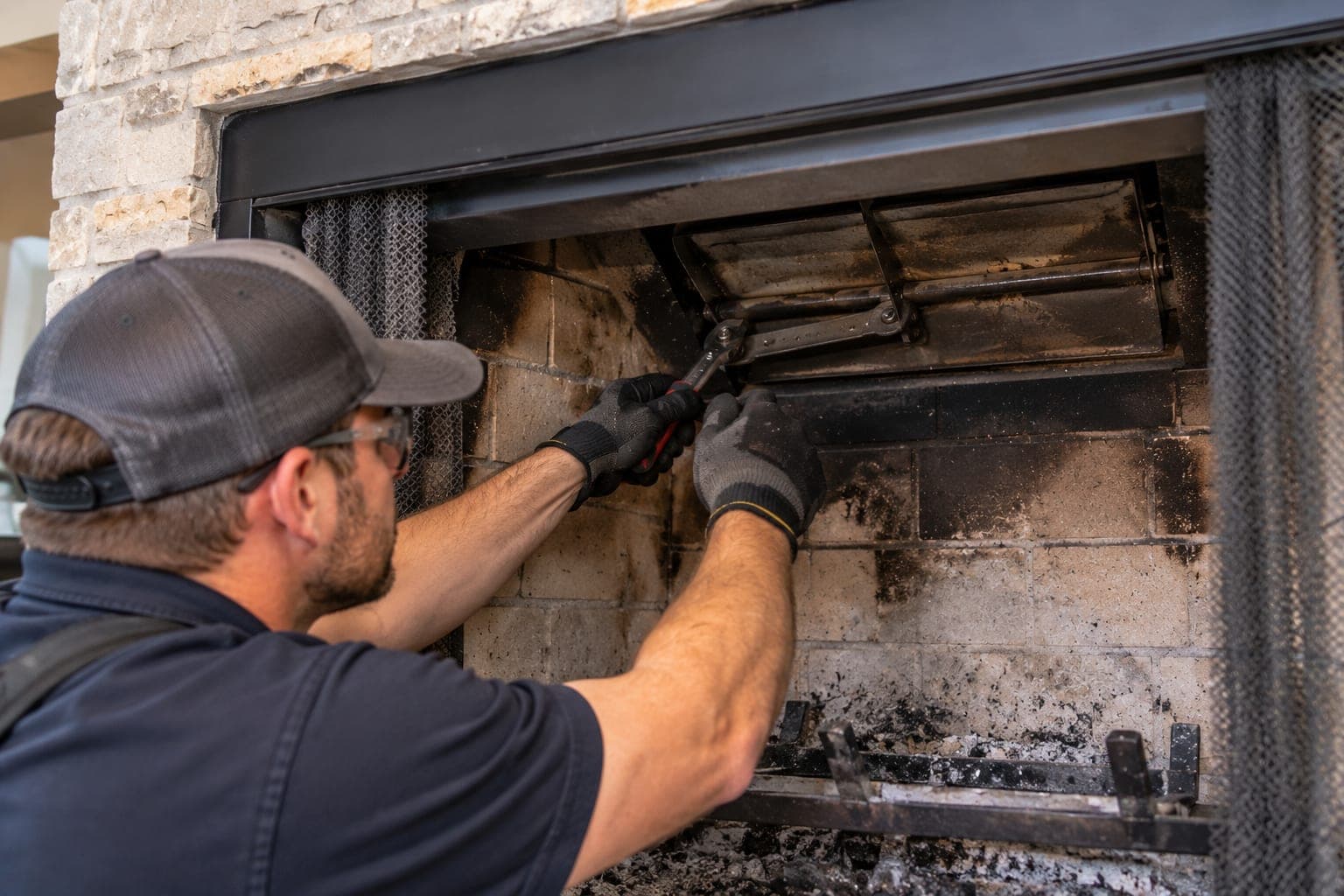
- Fuel: wood, gas or electric, each with different venting and upkeep
- Open or glass-front: open fires feel traditional; sealed units and inserts hold more heat in the room
- Surround and mantel: materials and spacing that can handle heat near the opening
- Doors and screens: glass doors change both the look and how the fire breathes
For a masonry-built look, see our custom masonry fireplace design service; for other approaches, start with how custom fireplace works as a project. If you want the fireplace to warm the room rather than just decorate it, our guide to efficient fireplace design is worth reading first.
Antique fireplace design maintenance
Older fireplaces often have shallow fireboxes, decorative cast iron, glazed tile or carved surrounds that weren't built with modern use in mind. Keeping them working means gentle cleaning and a careful look before the first fire of the season.
Care for an older fireplace
- Have it inspected before use if it has sat idle for years
- Clean soot from decorative surfaces with methods suited to the material
- Watch for loose tiles, cracked iron or open mortar joints
- Check that the damper still opens and seals
- Keep fires modest in shallow or delicate fireboxes
Many problems in old fireplaces start higher up, so our page on common chimney issues is useful background.
Custom architectural fireplace restoration
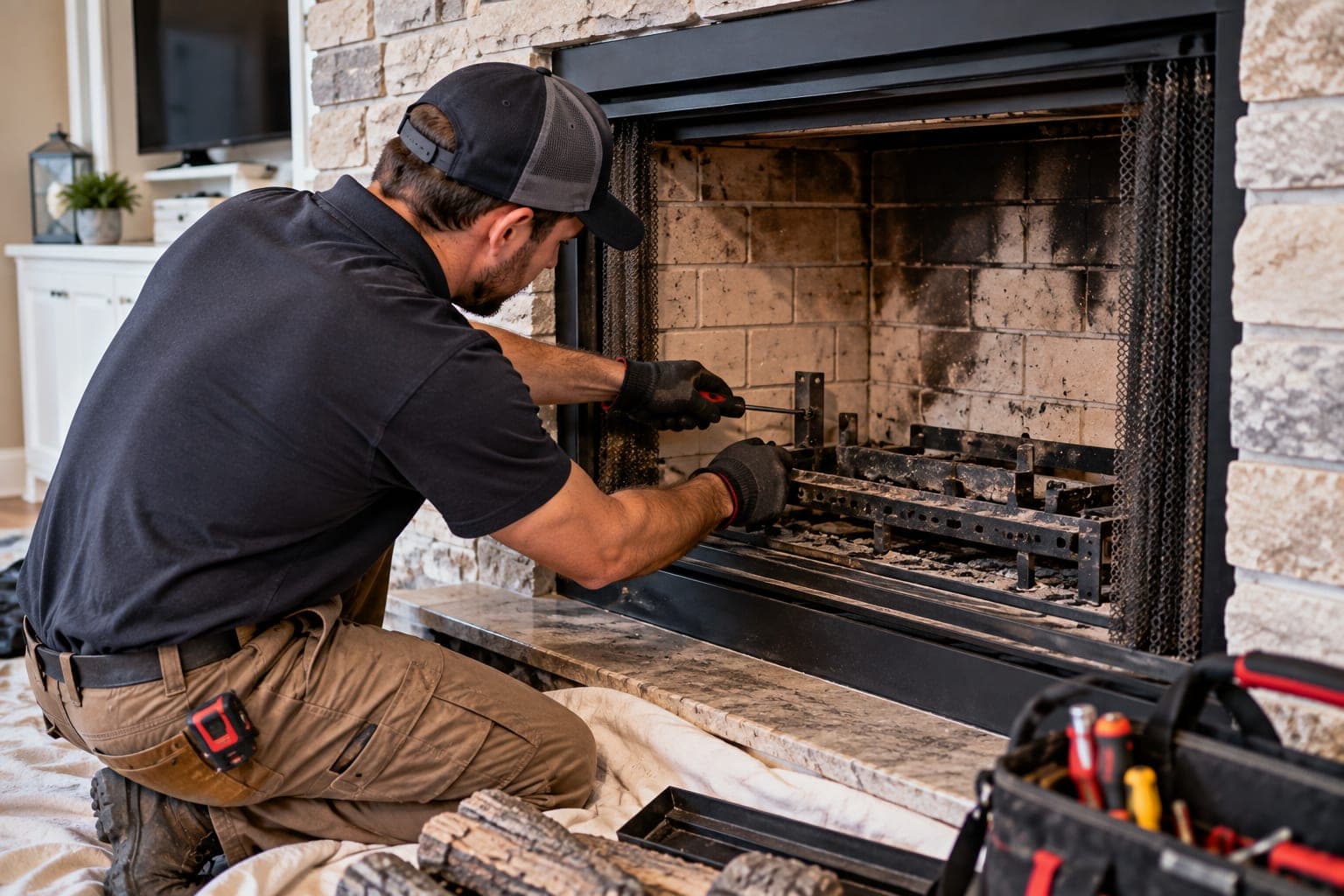
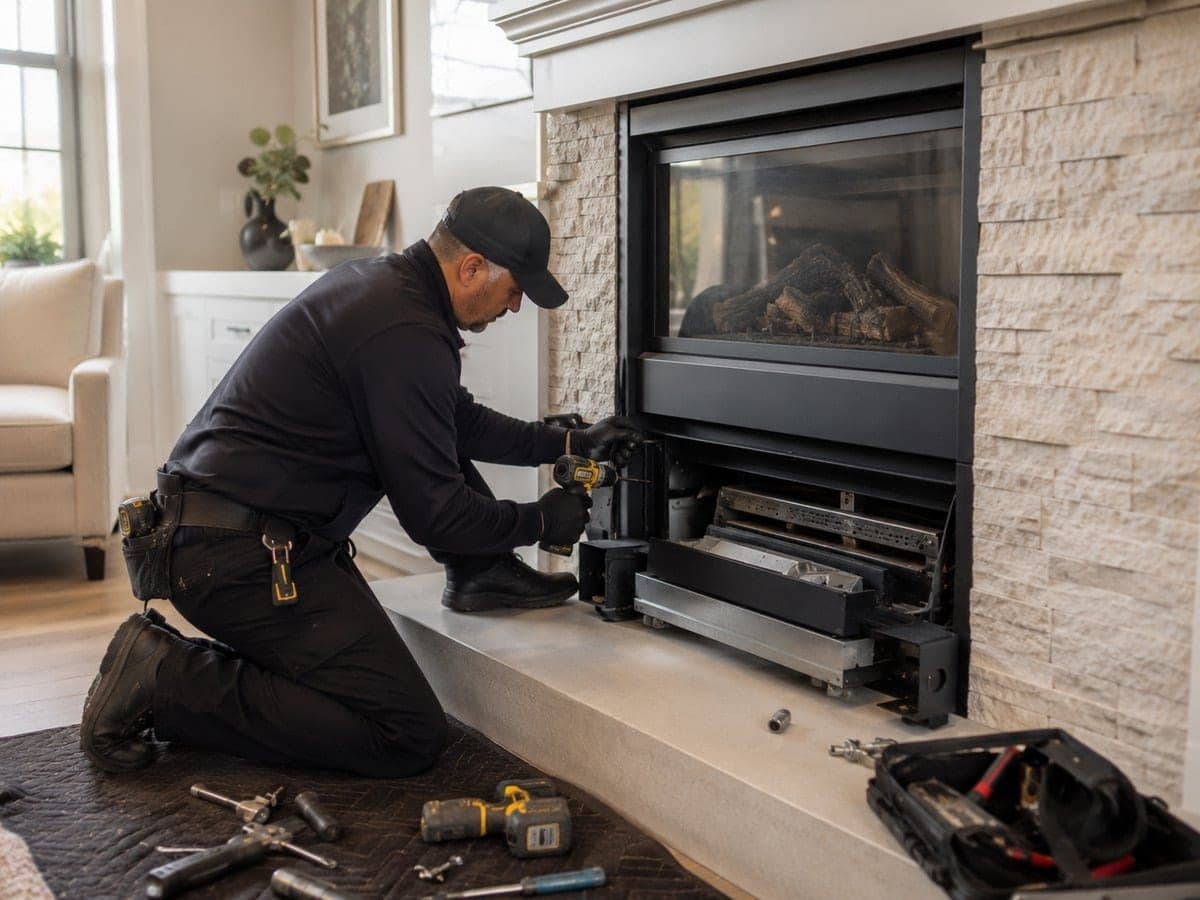
When a fireplace is part of a home's character, restoring it usually beats replacing it. Restoration can mean rebuilding a worn firebox, repairing the smoke chamber or damper, fitting new glass doors, or bringing a surround back to its original look. Marble surrounds have their own needs, covered in our classic marble fireplace renovation page.
Before you strip or replace anything
Original surrounds, tile and ironwork are hard to match once removed. We look at what can be saved first, and the estimate is free for homes around Hartford and across Connecticut.
Hidden damage is common in older fireplaces; reading up on common chimney problems helps you know what an assessment may turn up.
What the visit covers
The firebox is laid in firebrick and refractory mortar; the hearth and clearances to wood trim are set by the building code. A fireplace draws well only when the opening, the smoke chamber and the flue are sized to each other.
Design
The opening size, materials and look, matched to the room and to a flue that can serve it.
Plan
Footing, clearances to framing, hearth extension and permits are worked out first.
Build
Firebox, smoke chamber, damper, hearth and the chimney are built in sequence.
Cure and test
The masonry cures, then small fires come first and the draw is checked.
Clearances and curing
Wood trim, mantels and framing must keep the code clearances to the opening, and new masonry needs its full cure time before regular fires.
Signs to watch for
- A wish to change the look of the fireplace and its surround
- A new fireplace planned in a remodel or addition
- A fireplace that has never drawn well
- An old fireplace with a firebox or smoke chamber past repair
What we look at
- Opening size against the flue
- Hearth extension and clearances to trim
- Smoke chamber shape
- Firebox depth and firebrick
- Permit requirements
- Footing and chimney support
- Damper type
How to prepare
- Ask your town about permits for new fireplaces.
- Note where the chimney can run and any existing flue.
- Gather photos of fireplaces you like and the room's measurements.