On this page
A fair comparison between wood burning stoves
Showroom stoves can look nearly identical behind the glass. The differences show up in January: how long a load of wood lasts, how evenly the heat spreads and how much attention the stove needs. Compare any two models on the same points.
| Factor | Why it matters | What to ask |
|---|---|---|
| Heat output | An oversized stove gets run on low air, which makes it smolder and build creosote | What size area is it realistically meant to heat? |
| Firebox size | Sets the log length and the burn time | What length of split wood does it take? |
| Combustion type | Catalytic stoves burn off smoke at low settings. Non-catalytic designs use baffles and air tubes and have fewer parts to replace. | Is there a combustor, and how often does it need replacing? |
| Flue outlet | Must match the chimney or liner it connects to | What flue diameter and height does the manual call for? |
| Clearances | Determine where the stove can sit in the room | What are the listed distances to walls and furniture? |
When you check out wood burning stoves in person
Open the door and run a finger along the gasket. It should be soft and fully seated. Look up at the baffle and check that the ash pan slides cleanly. Ask for the owner's manual so you can read the clearance chart and flue requirements before you buy, not after. A quality wood burning stove is one that fits your room and your chimney, not simply the one with the biggest heat rating.
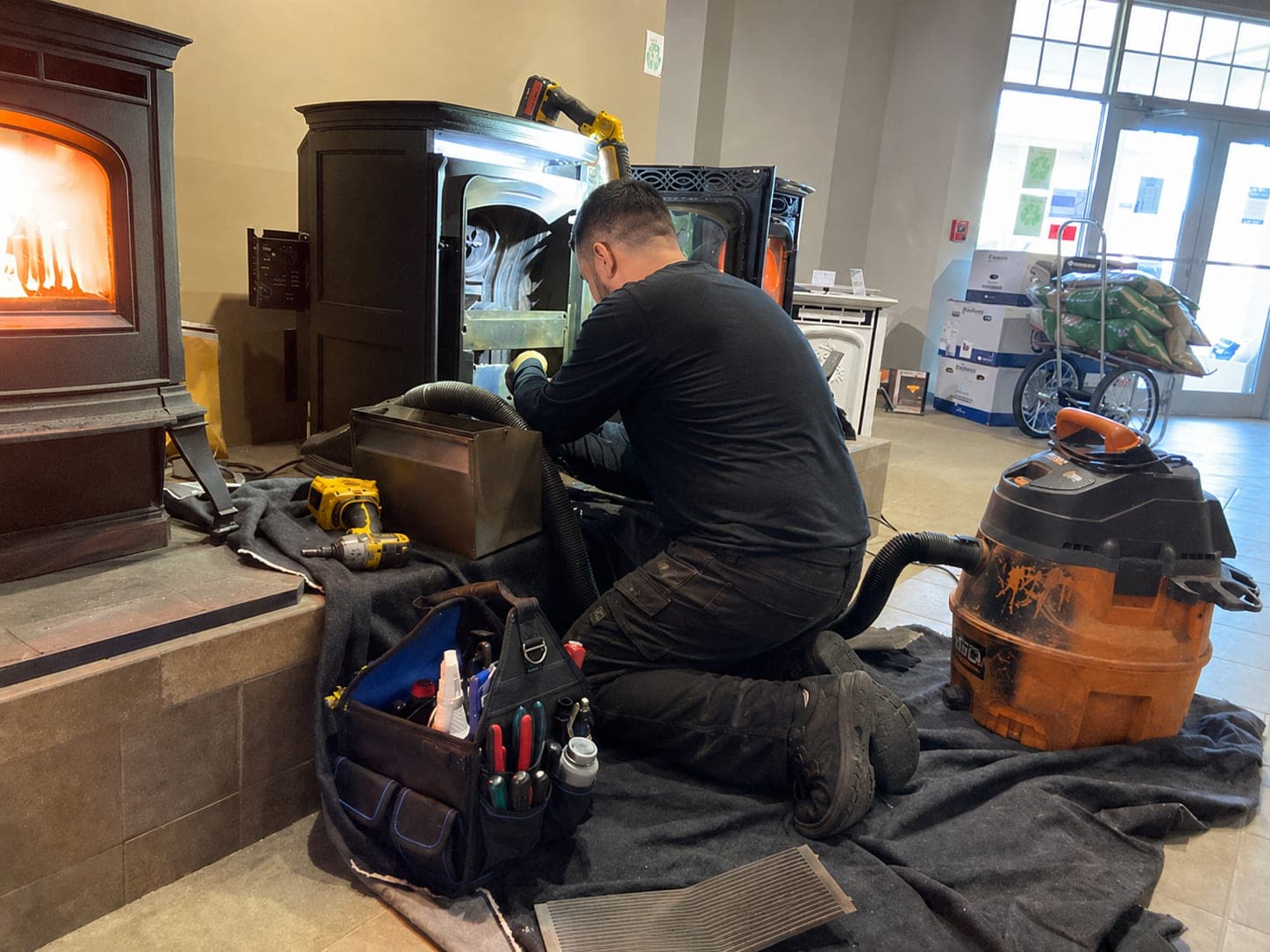
What happens during the visit
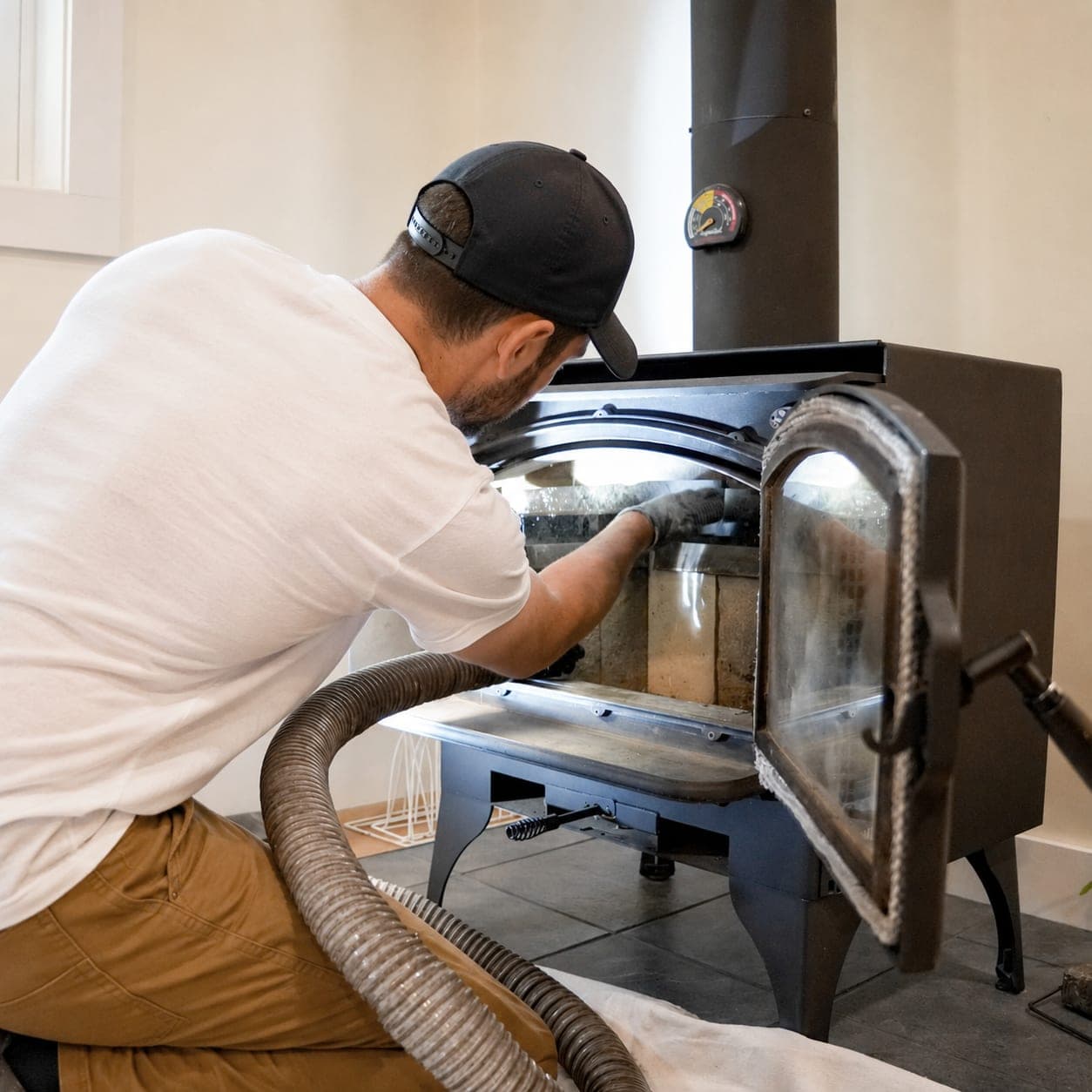
Stoves burn hotter and smokier at low settings than people expect, so the flue collects creosote faster than an open fireplace's. A cracked or missing baffle sends heat and smoke straight up the flue and raises creosote buildup.
Hear what it's doing
How the stove burns, what's changed and when — that points to the door, the baffle, the air supply or the flue.
Check the stove itself
Door latch and gasket, glass, firebrick, baffle, air controls and the body for cracks or warping.
Check the connector and flue
Pipe joints, the thimble or liner connection, clearances to walls, and the flue for creosote and draft.
Explain and agree
What needs cleaning, adjusting or replacing, before any work starts.
Checked on every visit
- Clearances to walls, floor protection and the hearth pad
- Creosote in the connector and flue
- Liner or thimble connection at the chimney
- Connector pipe joints, screws and rust
- Air controls and their range
Signs it's time for wood-burning stoves
- A fire that won't stay low even with the air control shut
- A door that doesn't latch firmly or a gasket that's flattened or frayed
- Rust, gaps or soot streaks at connector pipe joints
- Smoke escaping when the door is opened, or around a closed door
- Cracked firebrick or a sagging or broken baffle
How to prepare
- Write down what you've noticed — smoke at the door, a hard-to-control fire, noises or smells.
- Clear a few feet around the unit and the area under any connector pipe.
- Have the make and model handy; it's usually on a plate on the back or under the ash lip.
- Make sure the roof or the attic access can be reached if the flue needs to be checked from above.
Signs of a chimney fire
A loud roaring sound, a glowing connector pipe, dense smoke or sparks from the top of the chimney can mean a chimney fire. Get everyone out and call 911; have the system inspected before the next fire.
EPA certified wood burning stoves
Since May 2020, every new wood stove sold in the U.S. has had to meet the EPA's Step 2 limit. That limit is 2.0 grams of particulate per hour, or 2.5 grams for stoves tested with cordwood. Certified stoves carry a permanent label on the back or side that lists the model and its test results. If a used stove has no label, assume it was built before current standards.
What certification does and doesn't tell you
The rating comes from a lab burn with controlled fuel. At home, wet wood cancels much of that advantage. Firewood that hasn't dried to roughly 20% moisture or less smokes, coats the glass and lines the flue with creosote, whatever the label says.
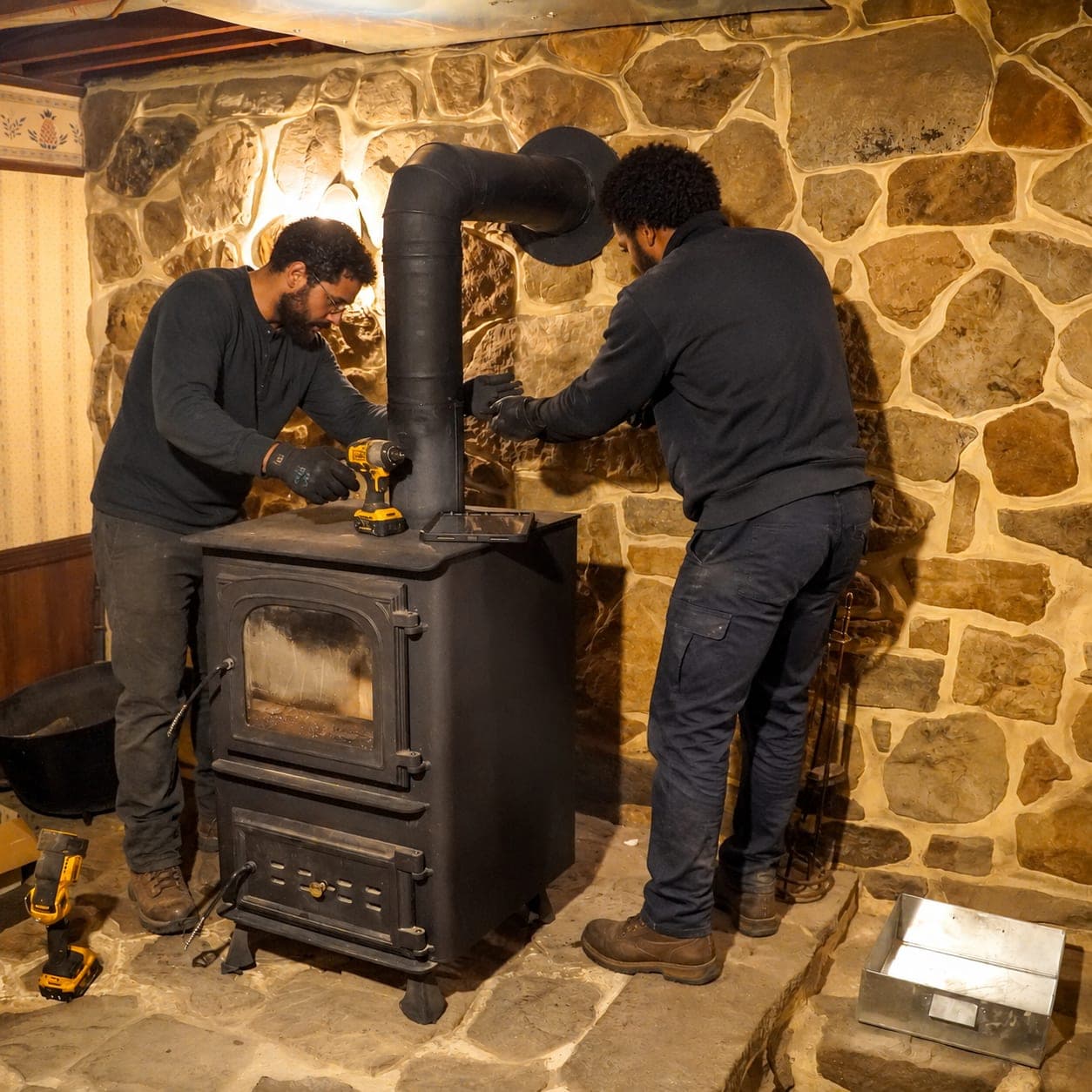
What it takes to install a quality wood burning stove
A stove performs only as well as the venting behind it. These pieces need to be right before anything is lit:
- A flue sized to the stove's outlet. An oversized masonry flue lets smoke cool and condense.
- A stainless liner when the stove vents into an existing masonry chimney.
- Listed clearances to combustibles, plus a non-combustible floor protector.
- A cap to keep rain, debris and animals out of the flue.
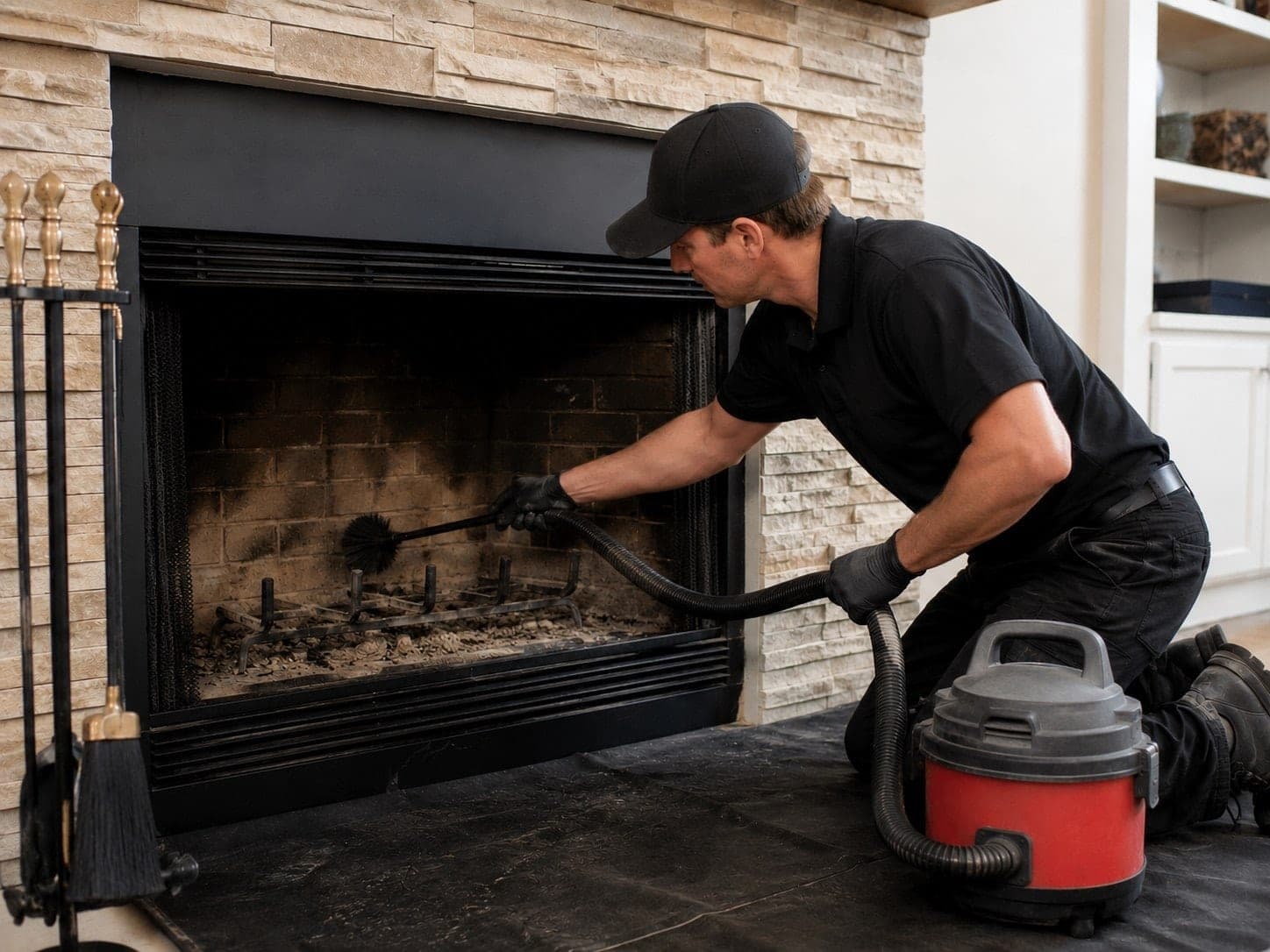
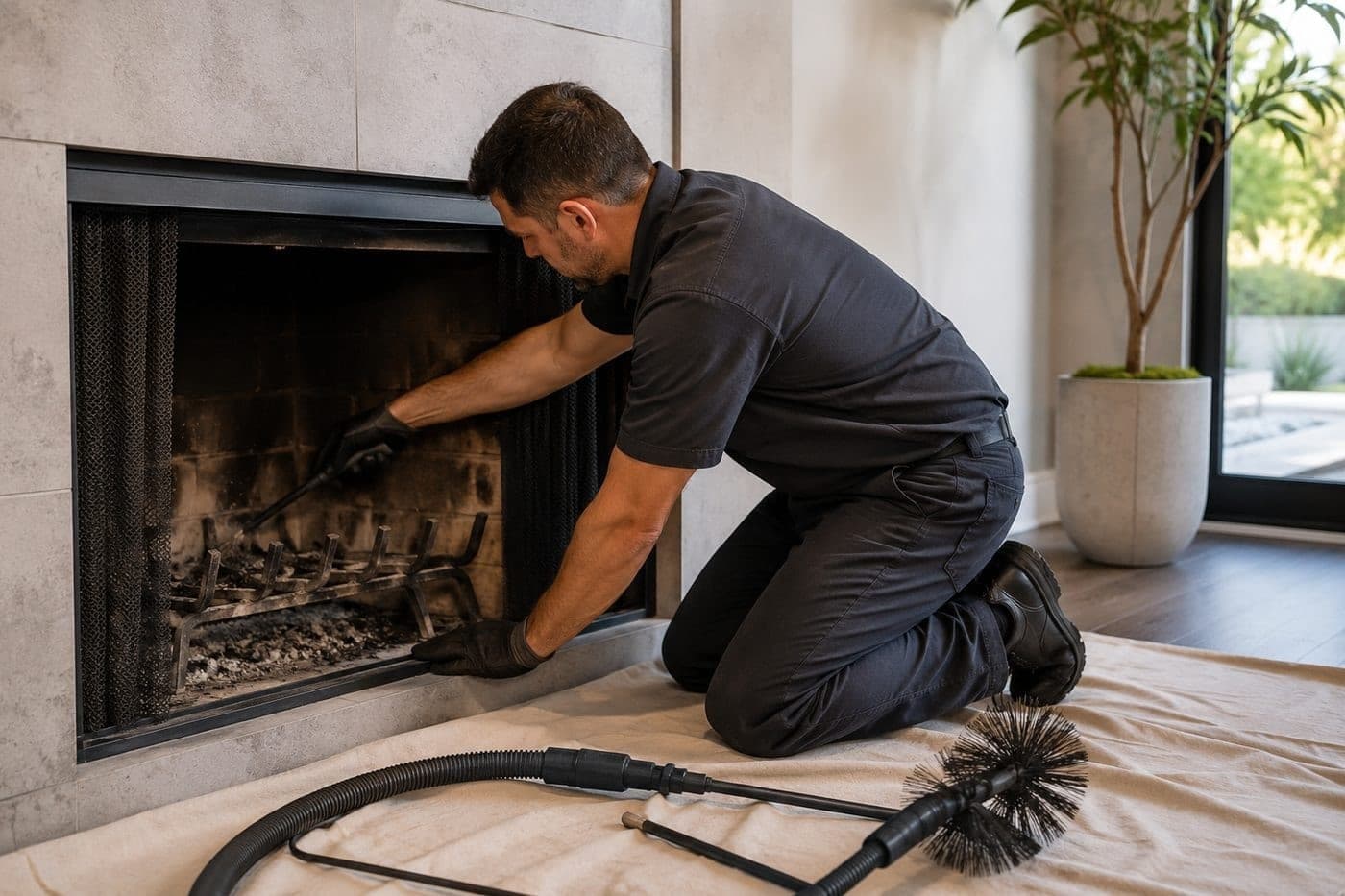
The venting side is where we come in. We do chimney and fireplace inspections, chimney liner installation and cap installation, and we install fireplace inserts. You can read about what goes into a wood burning fireplace insert. Once the stove is in use, regular wood-burning fireplace cleaning keeps the flue clear.
Working with a burning stoves retailer
We don't sell stoves, so you'll choose the unit at a retailer. A good retailer will hand you the manual, ask about your chimney and explain who handles the venting. If the answers are vague, have the chimney checked first. Our estimates are free, and knowing the flue's size and condition narrows the list to stoves that will actually work. If you're still deciding on a fuel, our comparison of gas and wood fireplaces and this rundown on pellet stoves cover the trade-offs.