On this page
Getting a Morso fireplace installed
Morsø, often written Morso, is a Danish maker known for cast-iron wood stoves and fireplace inserts. The stove itself is only half of a good result. How it draws, how warm the room gets and how safely it runs all depend on what surrounds it.
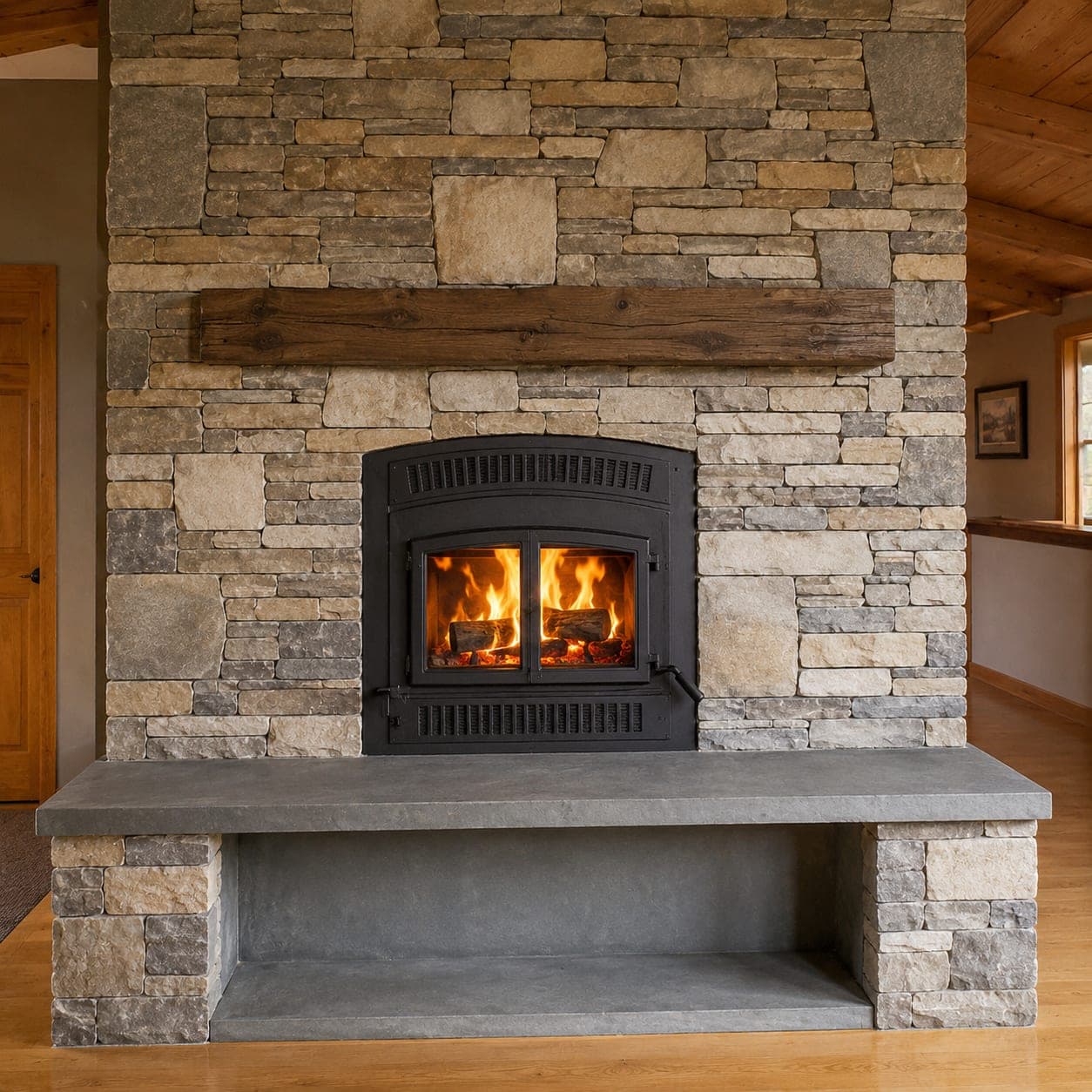
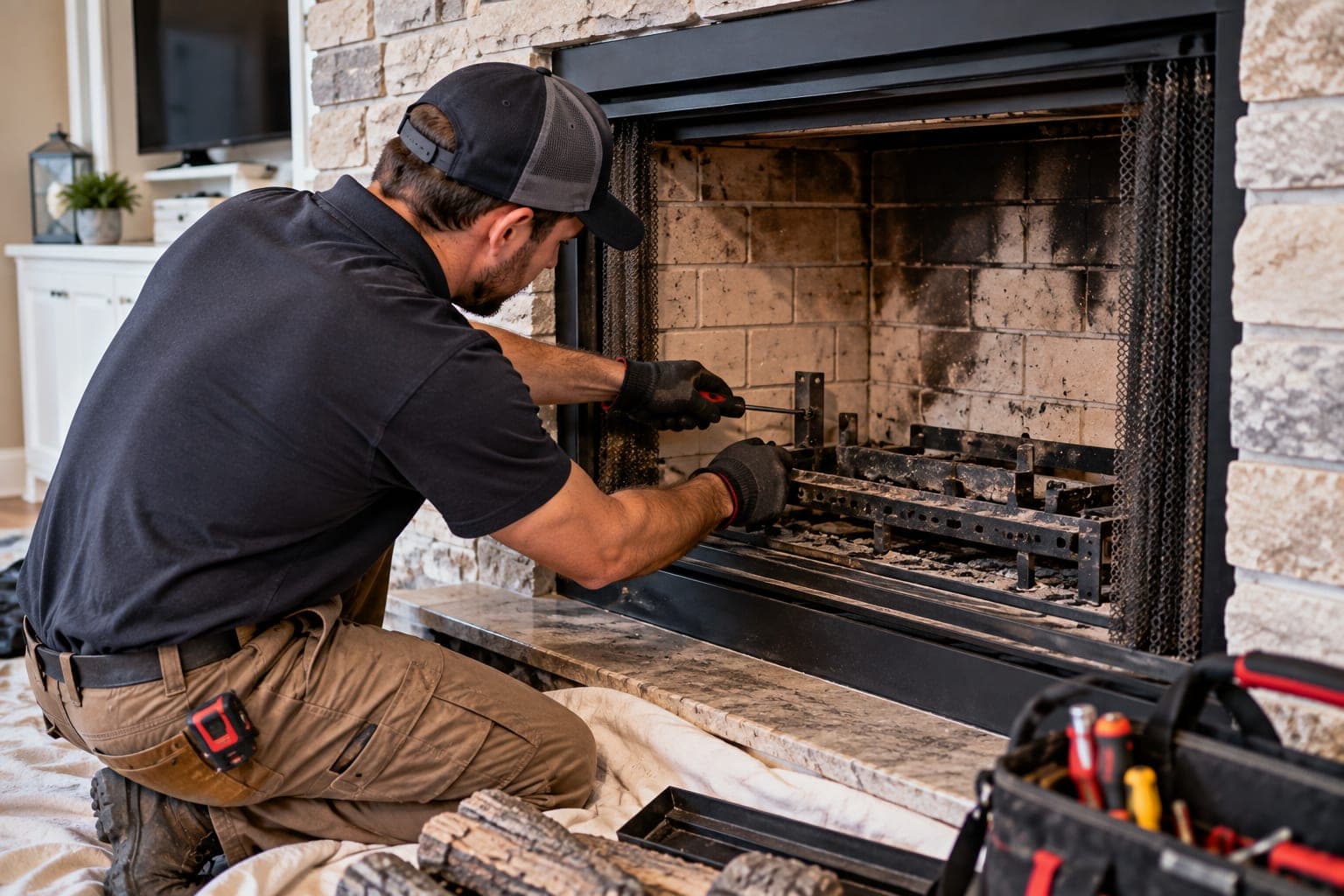
What a proper Morso install involves
- Inspecting the chimney before anything is set, so cracks or blockages are found first
- A stainless liner sized to the stove's flue outlet where the existing flue is too large or damaged
- Hearth protection and clearances to combustibles taken from the Morso manual for that model
- A sealed, properly supported connection between the stove and the flue
- A test fire to confirm the draft before you start using it
Inserts go into an existing masonry firebox. Freestanding stoves sit on a hearth pad and connect through a stovepipe. If you're unsure which suits your space, fireplace anatomy shows how a firebox, smoke chamber and flue fit together.
Morso fireplace installation in Connecticut
We install Morso stoves and inserts in Hartford homes and across Connecticut, and the estimate is free. Have the model you're considering, or the one already delivered, and we'll look at the chimney, hearth and room layout together.
Budget-friendly Morso fireplace installation
The best way to keep a stove project on budget is to avoid surprises. Inspecting the chimney first means a needed liner or crown repair shows up in the estimate, not halfway through the job. A sound chimney can often be reused as it is. Choosing a stove sized to the room, rather than the biggest model, also keeps you from paying for heat you can't use.
Morso fireplace door installation and gaskets
Morso doors close against a rope gasket that keeps stray air out of the firebox. If the door hangs out of square or the gasket is flattened, the fire runs hotter and faster than the air control intends. During installation we check that the door latches firmly and seals evenly all the way around. Worn gaskets and cracked glass later on fall under our fireplace glass and door repair work. For doors on an open masonry fireplace, see how fireplace door installation works.
Morso fireplace operating basics
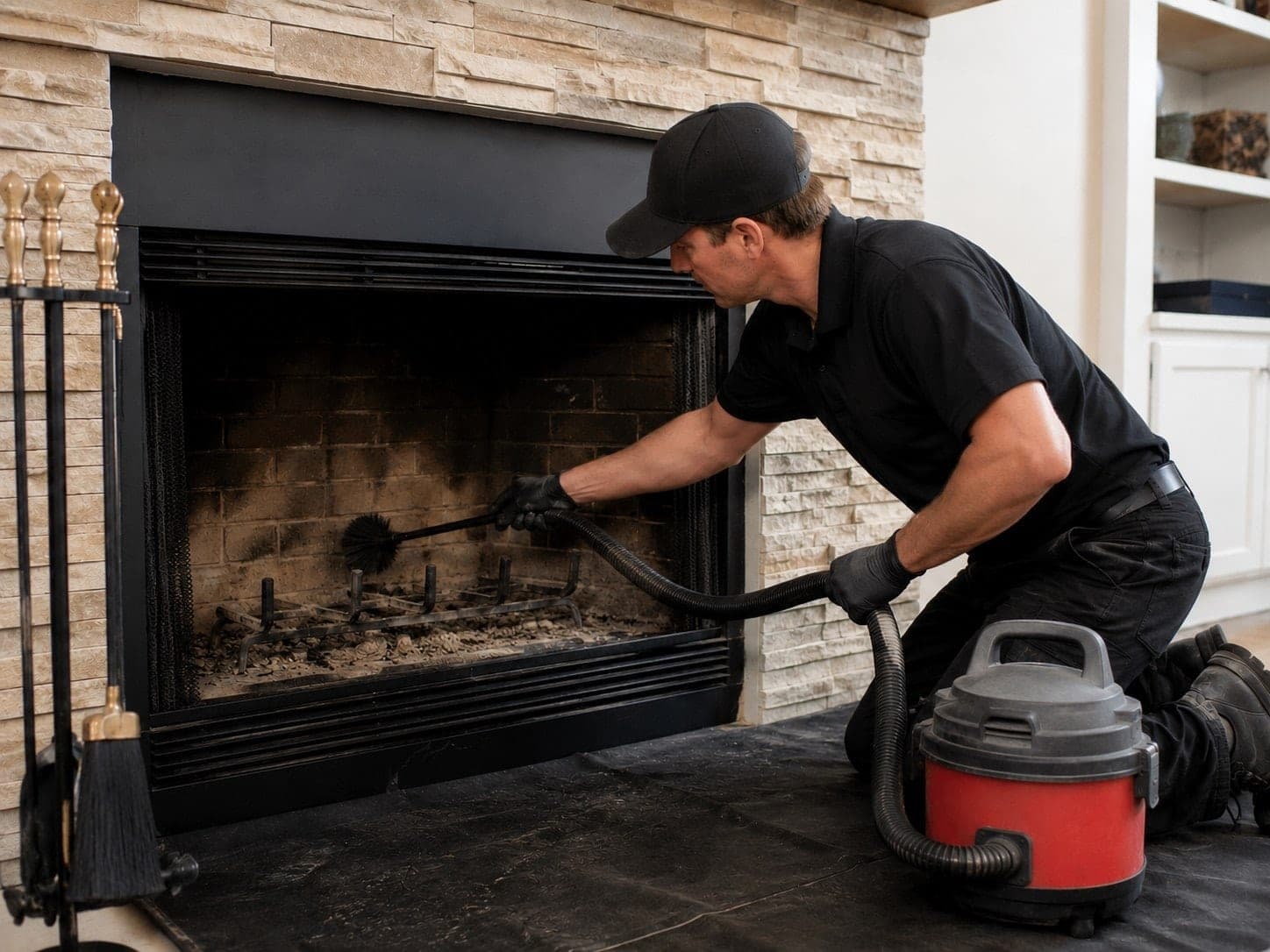
Like most painted stoves, a new Morso gives off a smell and some smoke while its paint cures over the first few fires. Open windows and keep those fires moderate. After that, burn dry, seasoned hardwood, and use the air control to settle the fire once it's established. Never let the stove glow red, and empty the ash before it reaches the grate or air inlets. Have the stove and flue cleaned and checked once a year. Read fireplace safety for household precautions, and see efficient fireplace for tips on getting more heat from each load.
What the visit covers
Clearances to combustibles are set by the manufacturer and the building code. A unit sized for the room heats comfortably; one far too large makes the space too warm.
Look at the space
The opening, wall or chase, the chimney and the fuel available are checked.
Choose the unit
Size, fuel and style are matched to the room and the venting.
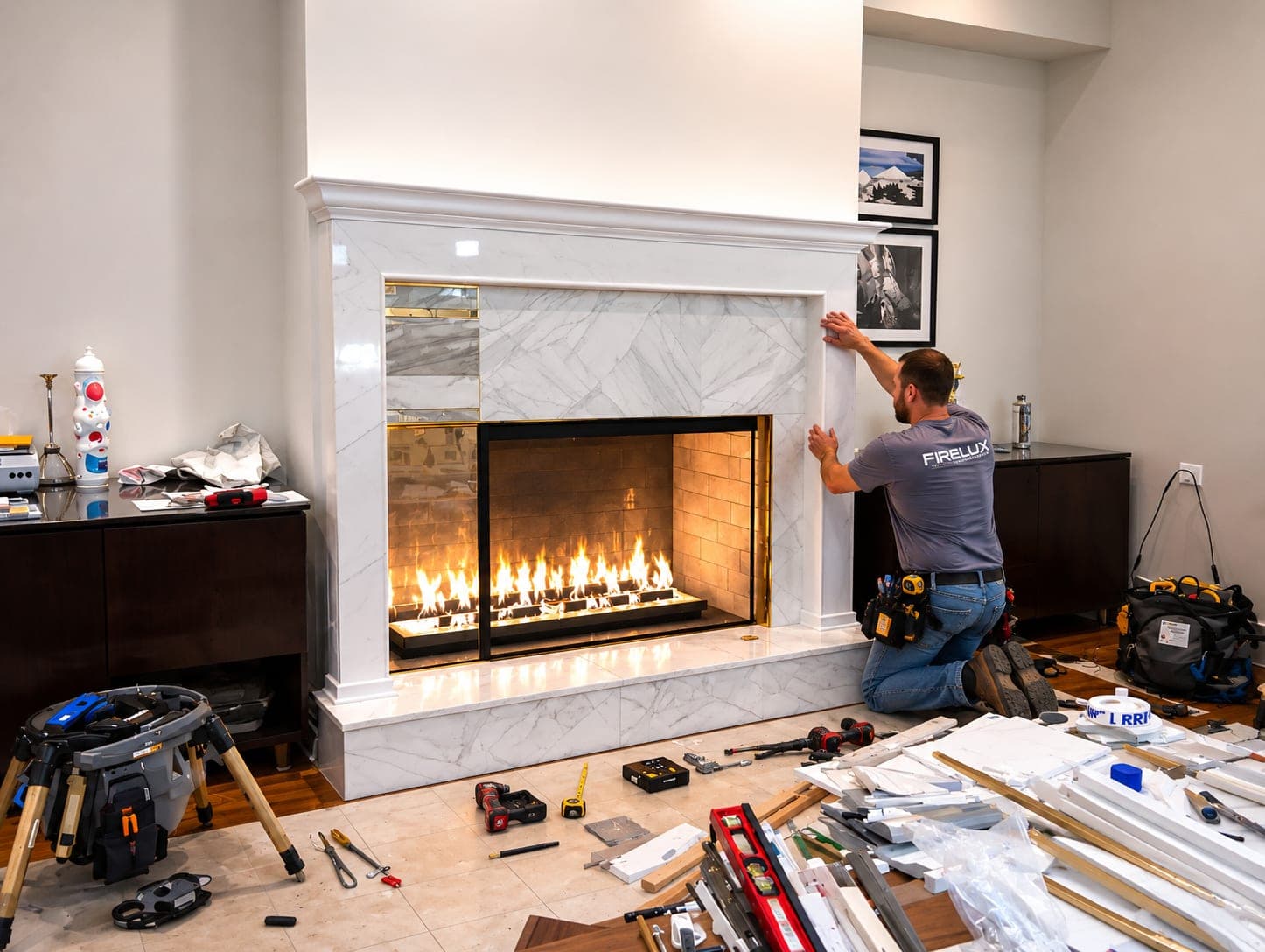
Install
The unit and its venting are installed to the manufacturer's instructions and local code.
Test
The unit is fired and checked, and you're shown how to use it.
Before the technician arrives
- Keep pets in another room while the work area is open.
- Clear a few feet of space in front of the hearth or appliance.
- Make sure the technician can reach the roof or attic access if it's needed.
- Write down what you've noticed and when it happens — smells, smoke, sounds or stains.
Carbon monoxide
A blocked or damaged flue can push carbon monoxide into the home. If an alarm sounds or anyone feels dizzy or sick near the fireplace, get everyone outside and call 911.
Signs to watch for
- An open fireplace that sends most of its heat up the chimney
- A remodel that adds or moves a fireplace
- A damaged factory-built unit past repair
- A worn-out insert or stove
Checked on every visit
- Vent or liner route and length
- Required clearances to combustibles
- Opening or framing dimensions
- Hearth extension and protection
- Permit requirements