On this page
What a fireplace builder is really responsible for
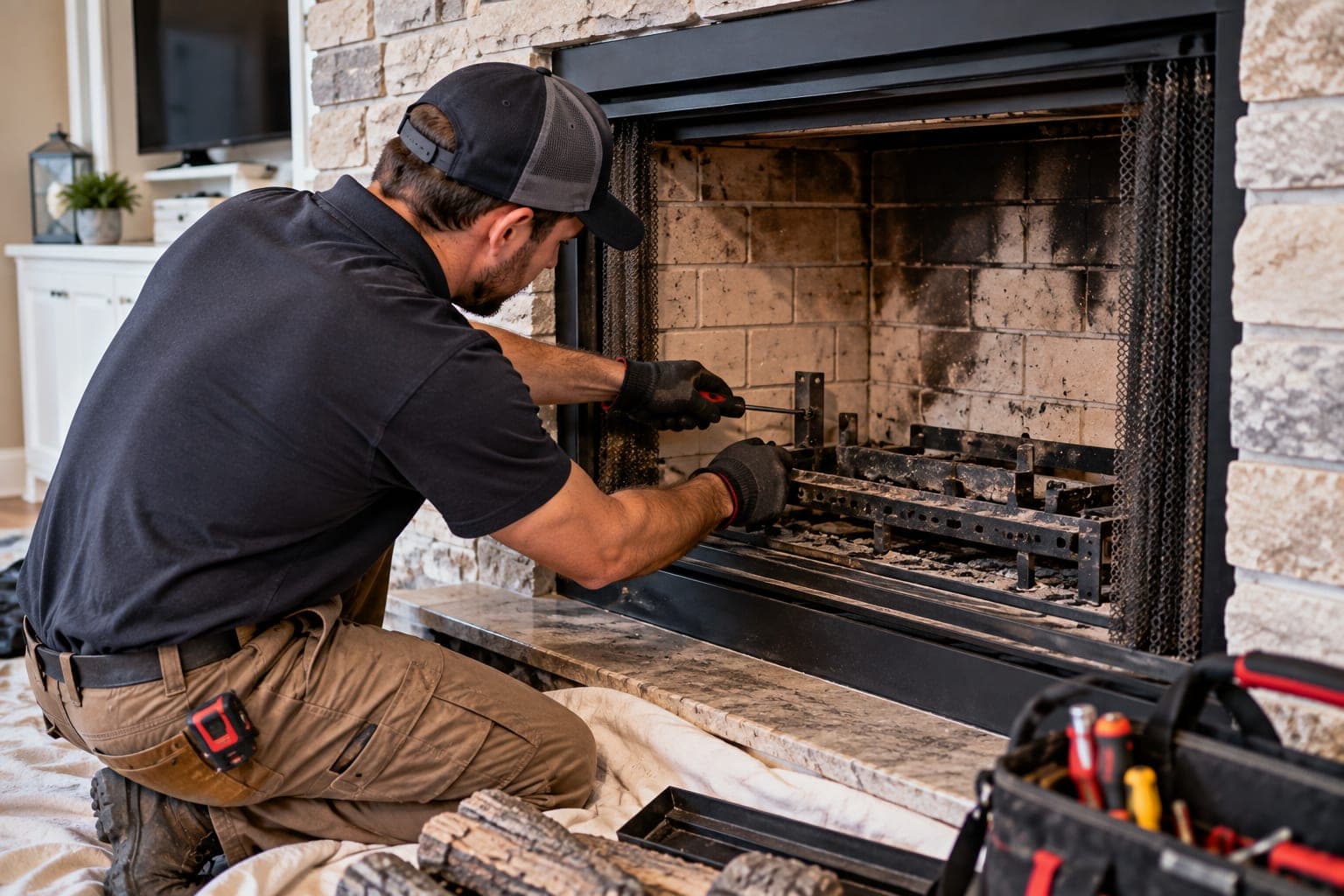
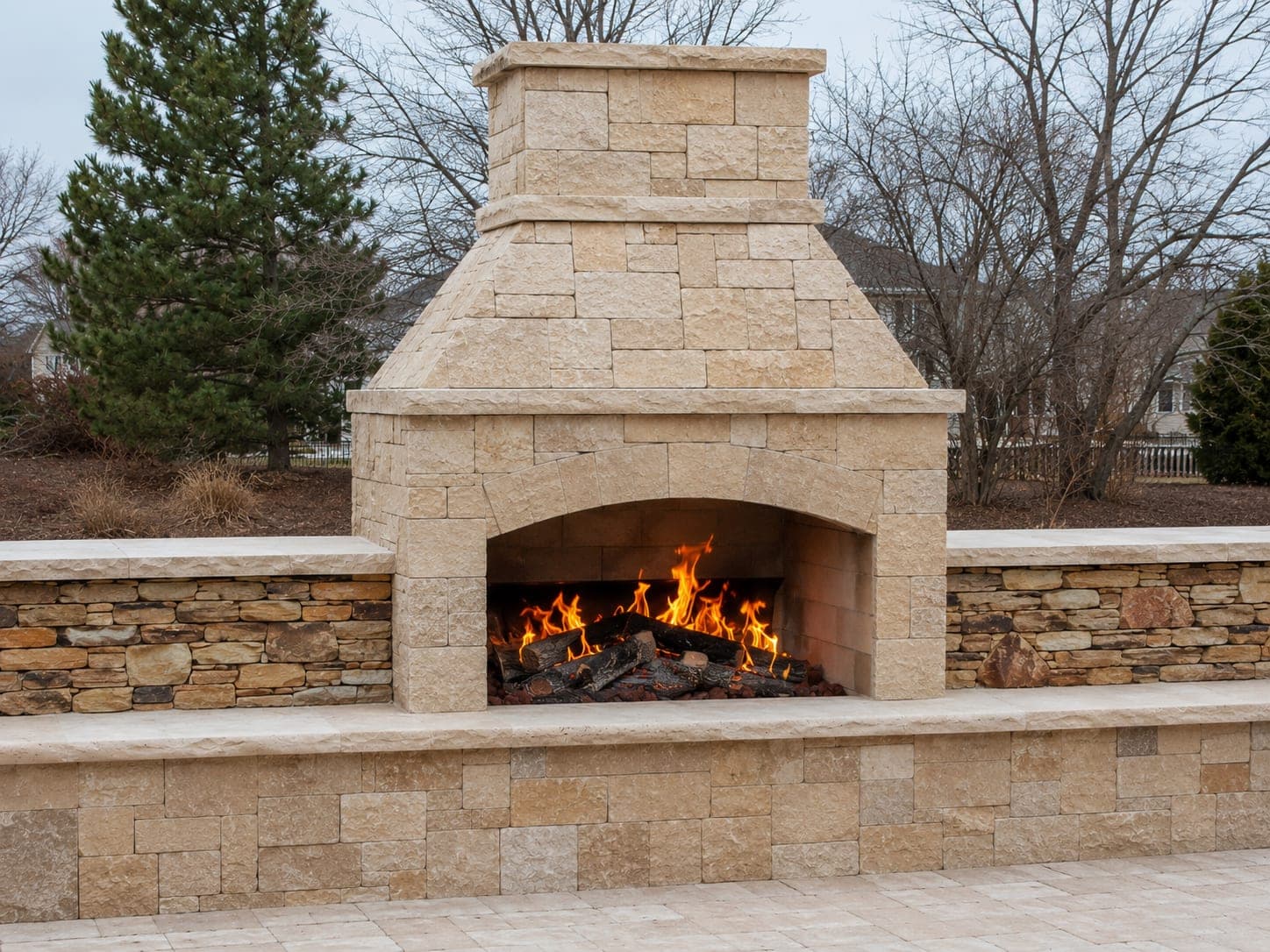
When people search for a fireplace builder, they usually picture the stone face, the mantel and the hearth, the parts you see every day. Whether the fireplace is pleasant or smoky depends on what's behind the wall. That includes the firebox lining, the damper, the smoke chamber and the flue. It also includes the clearance kept between hot surfaces and wood framing. Fireplace builders vary a lot in which of those pieces they handle themselves, so it pays to ask before work starts.
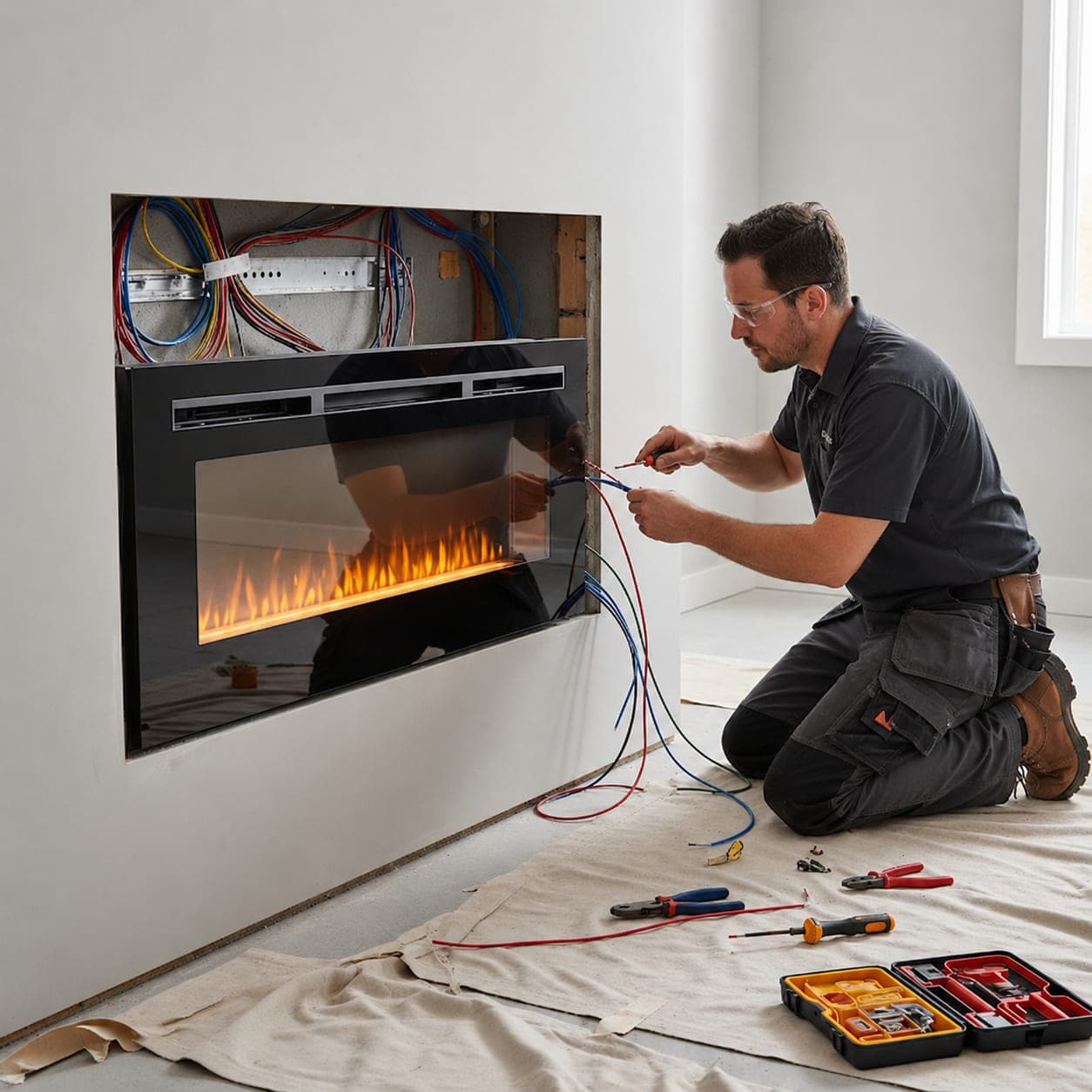
Questions to ask any fireplace builder
- Who sizes the flue to the fireplace opening, and how?
- Will an existing chimney be reused, and has its inside been inspected?
- What refractory material lines the firebox?
- What clearances are kept to framing, trim and the mantel?
- Who handles the first inspection and cleaning once the fireplace is in use?
Where our work fits in a fireplace project
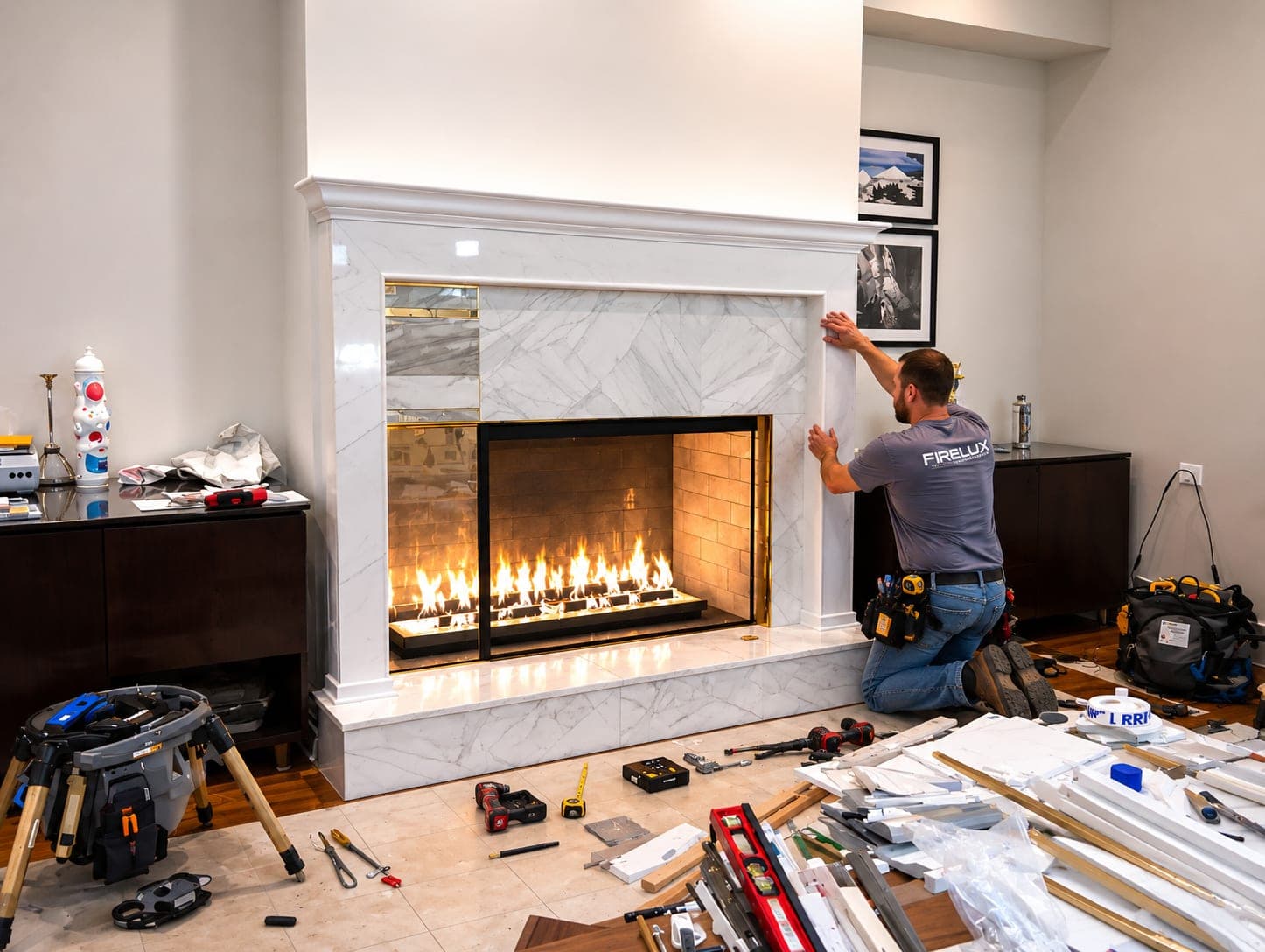
We install fireplaces, fireplace inserts and gas fireplaces, and we replace worn-out prefab units. We also do the chimney work a new or rebuilt fireplace depends on: - liner installation - firebox and smoke chamber repair - crown and masonry repair - full chimney rebuilds If appearance is driving the project, you can read about custom fireplace design. You can also see how a custom fireplace is cared for once it's built, or explore restoring a classic marble fireplace.
| Feature | Reusing the existing chimney | Rebuilt chimney |
|---|---|---|
| Good fit when | The chimney is sound and sized for the new fireplace | The chimney is badly deteriorated, leaking or leaning |
| First step | An inside inspection, often by camera | An assessment of what can be saved |
| Common added work | New liner, crown or damper repair | Masonry, crown, flashing and liner |
Good fit when
- Reusing the existing chimney
- The chimney is sound and sized for the new fireplace
- Rebuilt chimney
- The chimney is badly deteriorated, leaking or leaning
First step
- Reusing the existing chimney
- An inside inspection, often by camera
- Rebuilt chimney
- An assessment of what can be saved
Common added work
- Reusing the existing chimney
- New liner, crown or damper repair
- Rebuilt chimney
- Masonry, crown, flashing and liner
After the build: first fires and upkeep
New mortar and refractory materials are commonly broken in with a few small fires before a full load of wood. Follow the instructions from whoever built the fireplace or made the unit. After that, the routine is the same as for any fireplace: - burn dry wood - watch for smoke spilling into the room - have the chimney inspected yearly Our guide to common chimney issues lists the warning signs. Tips for an efficient fireplace help a new fireplace heat the way it should.
What the visit covers
Design choices — size, materials, a raised or flush hearth — have to fit the room and the chimney. A fireplace draws well only when the opening, the smoke chamber and the flue are sized to each other.
Design
The opening size, materials and look, matched to the room and to a flue that can serve it.
Plan
Footing, clearances to framing, hearth extension and permits are worked out first.
Build
Firebox, smoke chamber, damper, hearth and the chimney are built in sequence.
Cure and test
The masonry cures, then small fires come first and the draw is checked.
How to prepare
- Gather photos of fireplaces you like and the room's measurements.
- Ask your town about permits for new fireplaces.
- Note where the chimney can run and any existing flue.
Signs it's time for fireplace builder
- An old fireplace with a firebox or smoke chamber past repair
- A fireplace that has never drawn well
- A wish to change the look of the fireplace and its surround
- A new fireplace planned in a remodel or addition
Checked on every visit
- Smoke chamber shape
- Damper type
- Firebox depth and firebrick
- Footing and chimney support
- Hearth extension and clearances to trim
- Opening size against the flue
Clearances and curing
Wood trim, mantels and framing must keep the code clearances to the opening, and new masonry needs its full cure time before regular fires.