On this page
- What a chimney sweep is and who needs one
- Signs your chimney needs sweeping
- What happens during a sweep visit
- What gets checked and cleaned
- Sweeping options and what decides between them
- What affects the scope of the job
- How to prepare for your sweep
- DIY chimney sweeping vs hiring a professional
- Choosing a sweep and hiring chimney technicians
- When to add chimney sweeping to other work
- Beyond sweeping: repairs, construction and commercial work
- Unlined and appliance flues need a different approach
- Scheduling a professional sweep
What a chimney sweep is and who needs one
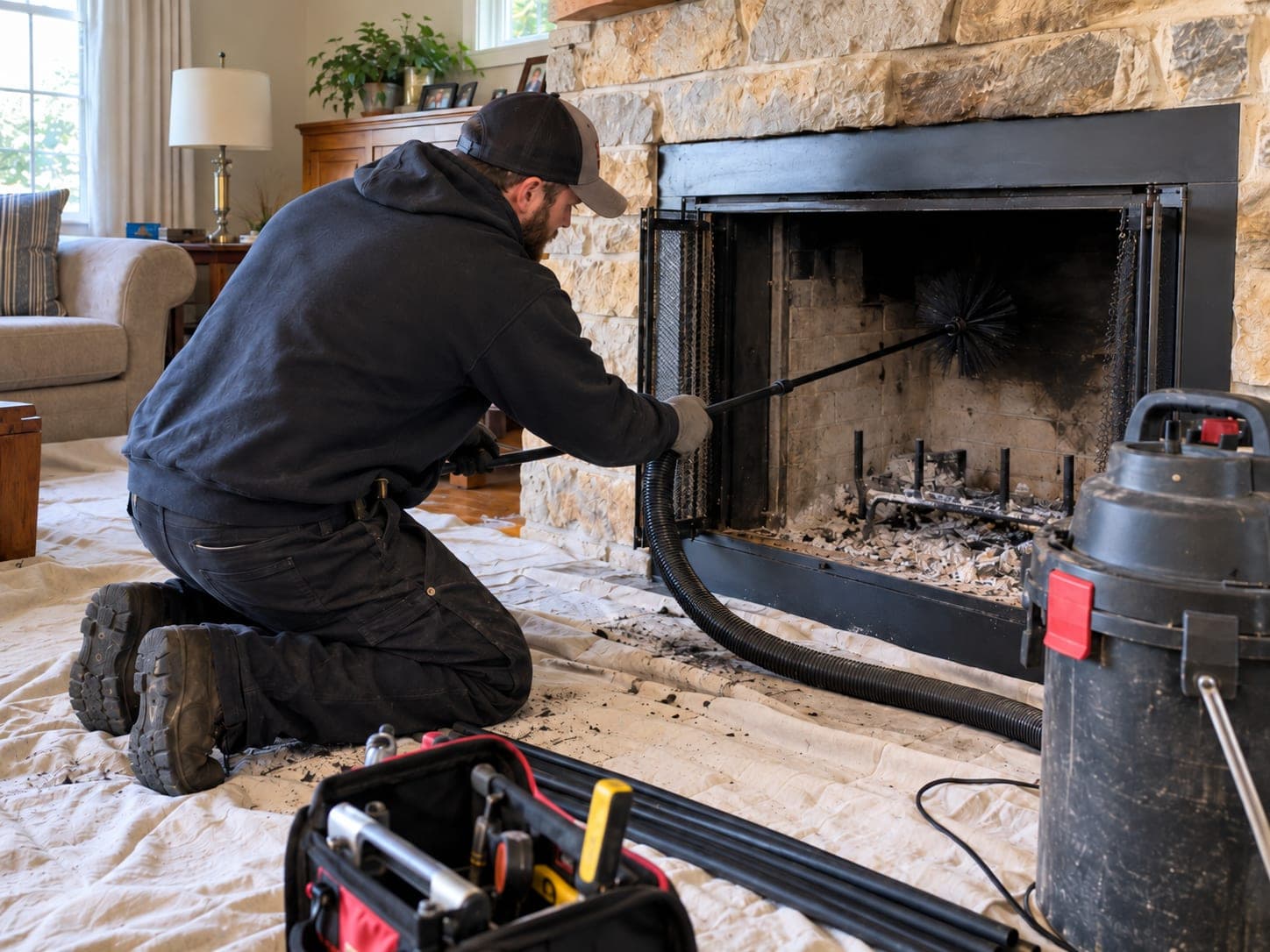
Every fire leaves residue behind. Wood smoke cools as it rises through the flue and deposits soot and creosote, a tar-like byproduct that is highly flammable. Over time that layer narrows the flue, weakens draft and raises the risk of a chimney fire. A chimney sweep is the physical cleaning of that system: the flue liner, smoke chamber, smoke shelf, damper area and firebox.
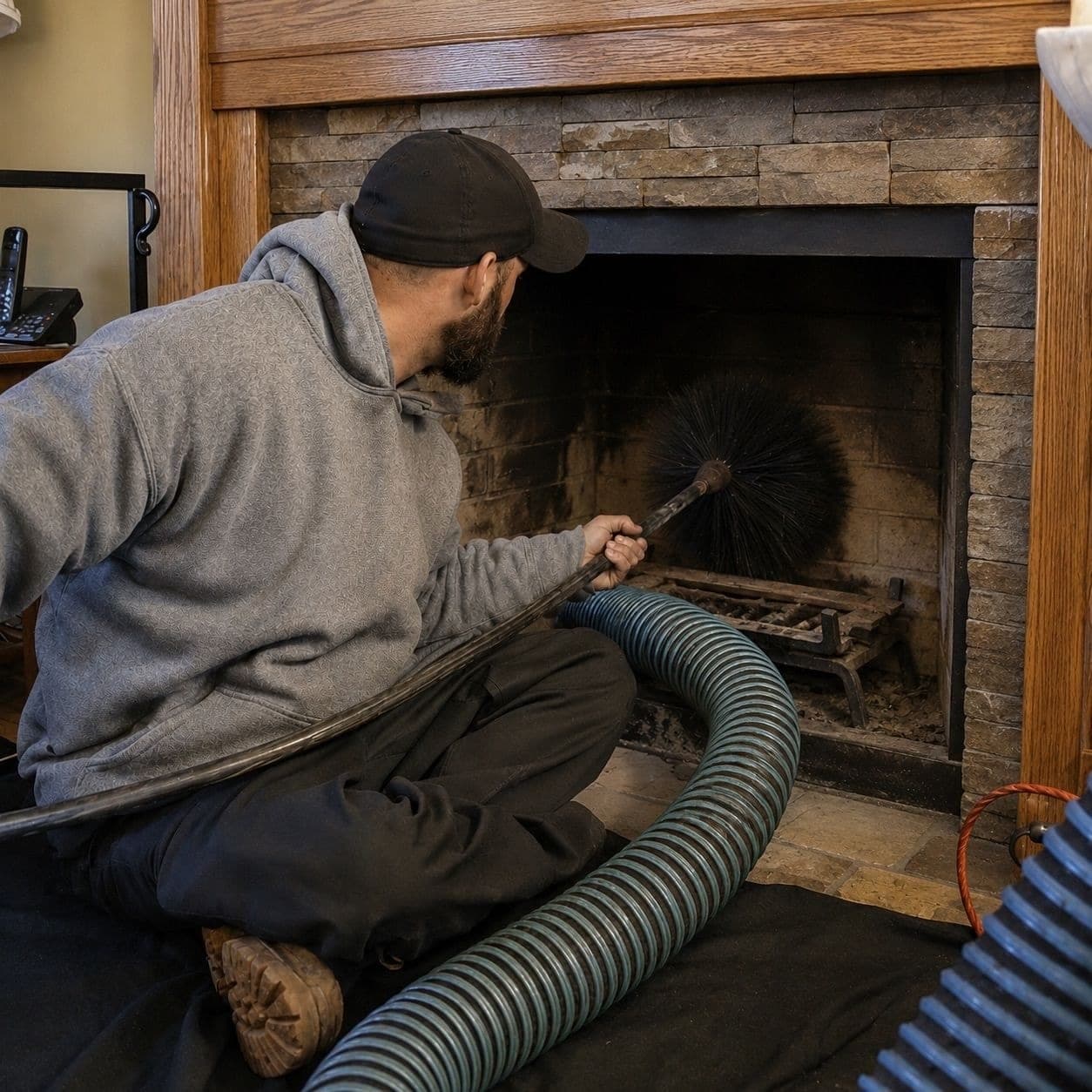
If you burn wood in an open fireplace, a fireplace insert or a freestanding wood stove, sweeping is part of normal ownership, not an optional extra. It also makes sense if you just bought a home with a fireplace and don't know when it was last cleaned, or if a chimney has sat unused for years and may hold leaves, nests or fallen debris. Homeowners across Hartford and the surrounding towns, from those looking for a sweep in West Hartford to those searching for a sweep for homes in East Hartford, call us for the same core job.
Signs your chimney needs sweeping
Burning habits vary too much for one fixed schedule, so watch for these signals:
- Smoke drifts into the room instead of rising up the chimney.
- Fires are harder to start or keep going, a common sign of reduced draft.
- A strong, smoky or campfire odor comes from the fireplace, especially on humid days or when the air conditioning runs.
- Black, flaky or shiny deposits are visible on the damper or the inside walls of the firebox.
- Pieces of soot or creosote fall into the firebox.
- You hear scratching or chirping, or you see sticks and nesting material at the base.
- You burned a lot of wood last season, or you can't remember the last sweep.
Many of these overlap with other faults, such as a damaged cap or a failing liner. Our guide to common chimney problems explains how to tell them apart.
If you suspect a chimney fire
A loud roaring or rumbling sound, dense smoke pouring from the top of the chimney, or a hot, glowing flue are warning signs. Get everyone out and call 911 first. Once the fire department has cleared the scene, have the chimney inspected before using it again. We accept emergency calls and are available 24 hours, Sunday through Friday.
What happens during a sweep visit
How a typical chimney sweep visit runs
Walk-through and setup
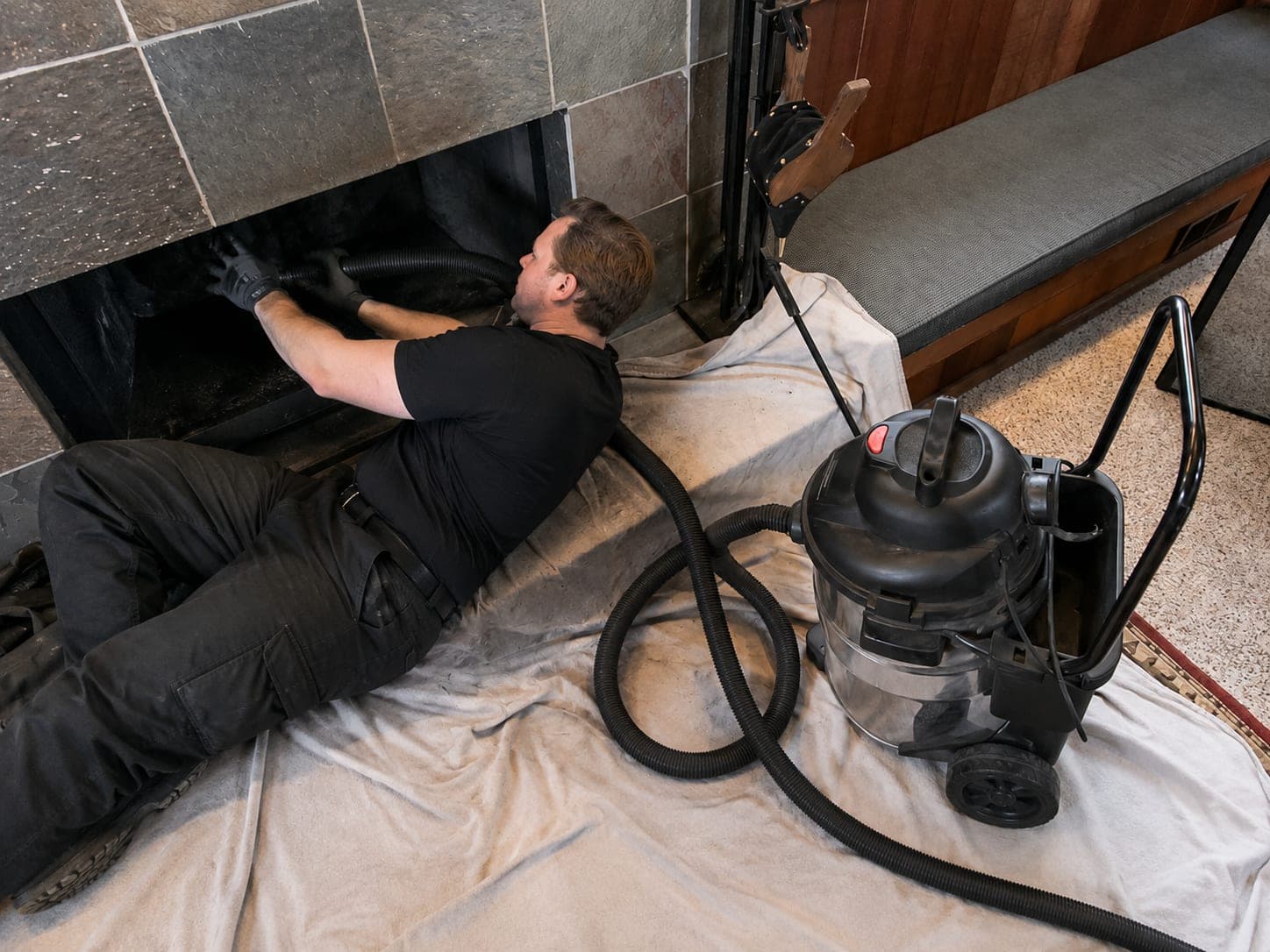
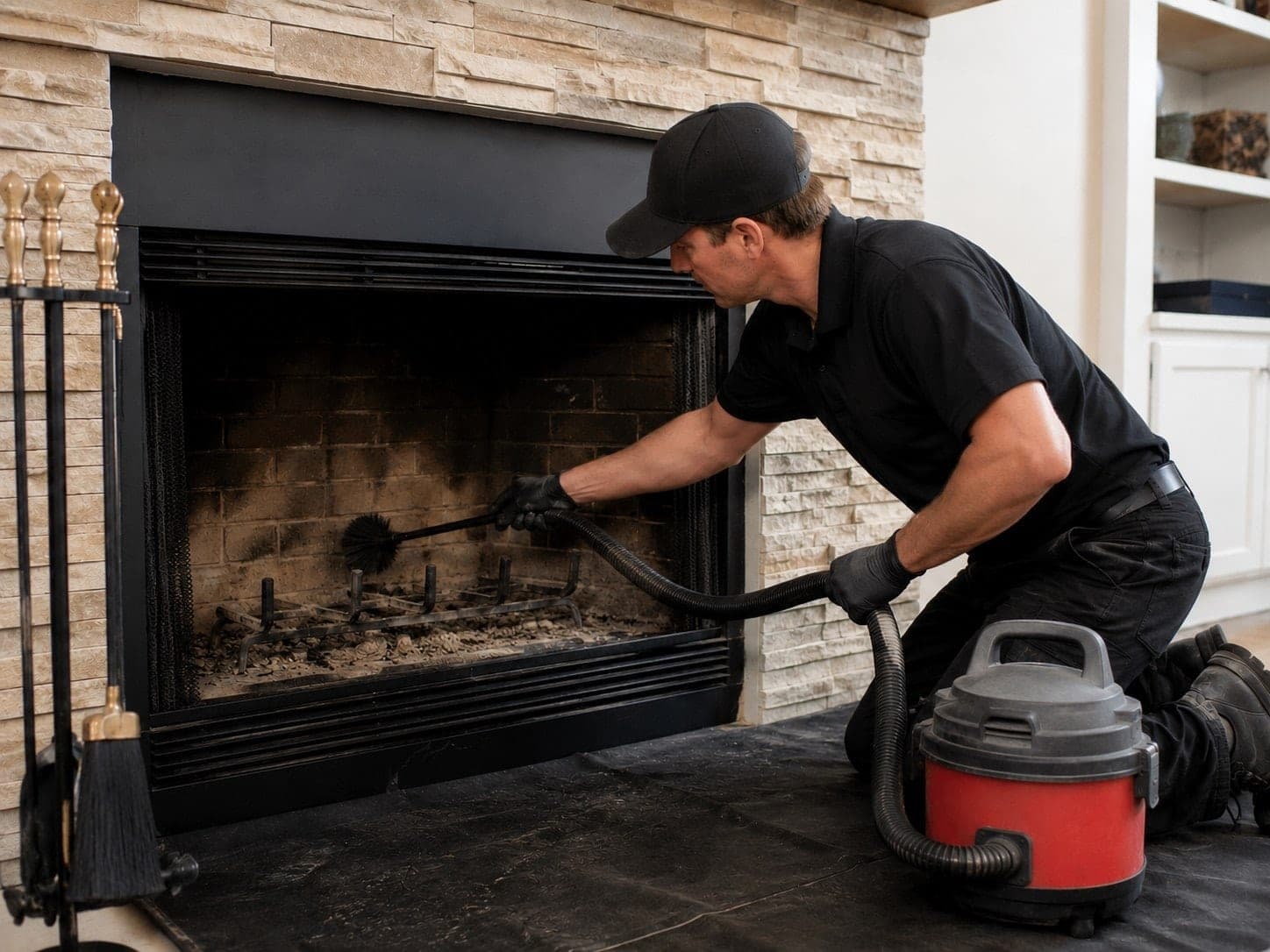
We ask how and how often you use the fireplace, then lay drop cloths and set up dust control around the hearth to protect floors and furniture.
Initial look at the system
We check the firebox, damper and visible flue to judge how much buildup is present and whether anything is blocking the chimney.
Sweeping the flue
Brushes sized to your flue are run through the liner, from below, from the roof or both, depending on access and the type of chimney.
Cleaning the smoke chamber and firebox
Loosened soot and creosote are cleared from the smoke shelf, smoke chamber, damper area and firebox, and debris is collected.
Final check and findings
We look over the cleaned system, then walk you through what we saw, including anything that needs attention before your next fire.
What gets checked and cleaned
Covered during a standard sweep
- Flue liner walls cleaned of soot and loose creosote
- Smoke shelf and smoke chamber cleared
- Damper cleaned and checked for smooth opening and closing
- Firebox swept, with ash and debris removed
- Visible cracks, gaps or missing mortar in the firebox noted
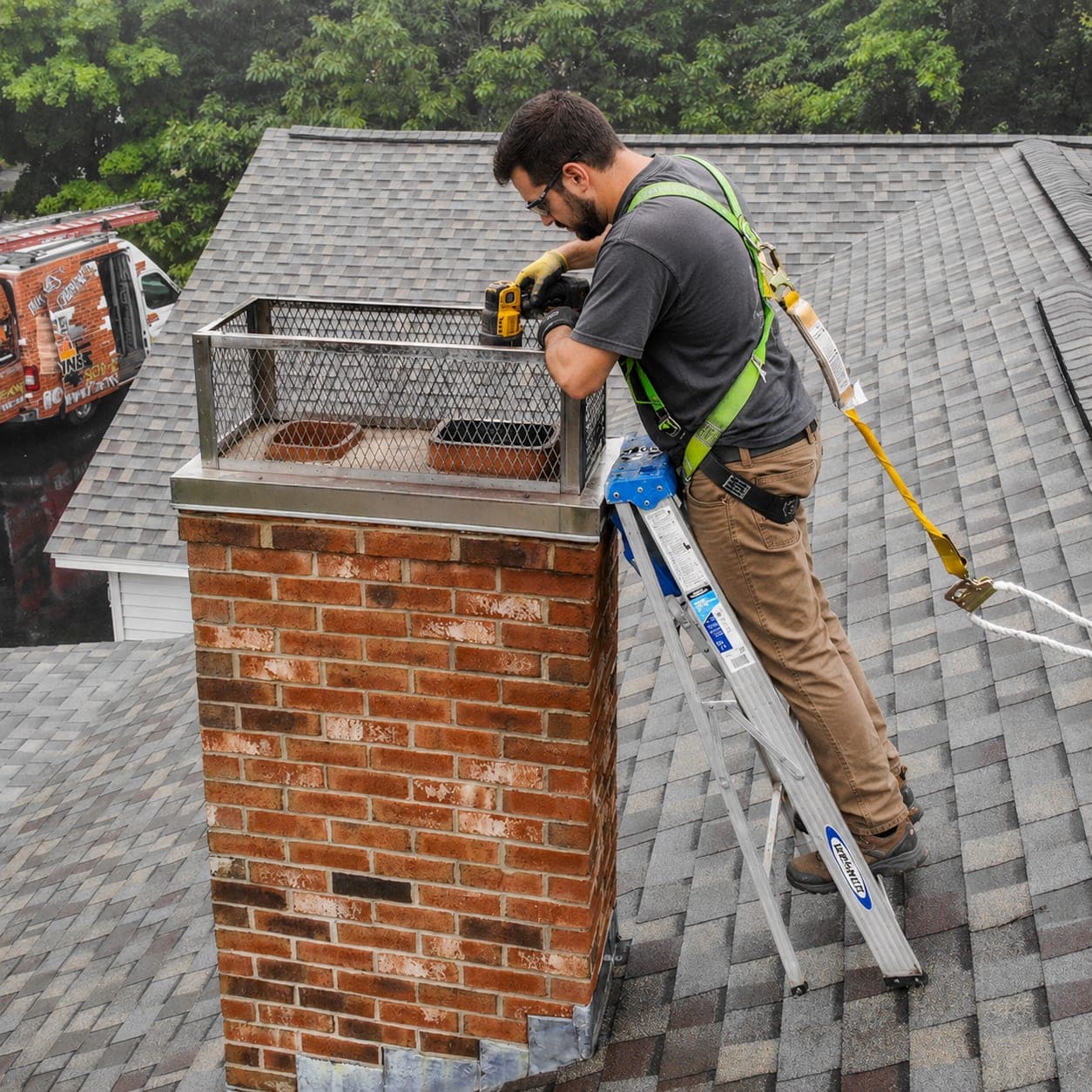
- Cap and top of the chimney checked for blockages or nesting where safely accessible
- Insert or stove connector pipe cleaned when present
- Notes on anything that calls for repair or a closer inspection
Sweeping options and what decides between them
Not every chimney gets the same treatment. The right approach depends on what you burn in, what condition the deposits are in and whether there's an obstruction.
| Feature | Standard chimney sweep | Creosote or blockage removal |
|---|---|---|
| Typical deposits | Loose soot and flaky first-stage creosote | Hardened, tar-like or glazed creosote, or debris and nests |
| Method | Brushing the flue, smoke chamber and firebox | Additional tools or treatments to break down buildup or clear the obstruction |
| Usually suited to | Chimneys swept on a regular schedule | Chimneys that went years without cleaning, burned unseasoned wood or show draft problems |
Typical deposits
- Standard chimney sweep
- Loose soot and flaky first-stage creosote
- Creosote or blockage removal
- Hardened, tar-like or glazed creosote, or debris and nests
Method
- Standard chimney sweep
- Brushing the flue, smoke chamber and firebox
- Creosote or blockage removal
- Additional tools or treatments to break down buildup or clear the obstruction
Usually suited to
- Standard chimney sweep
- Chimneys swept on a regular schedule
- Creosote or blockage removal
- Chimneys that went years without cleaning, burned unseasoned wood or show draft problems
Fireplaces, inserts and wood stoves
An open masonry fireplace is swept through the firebox and flue. A fireplace insert often has to be pulled out or have its connector accessed so the flue above it can be reached. Wood stoves need their connector pipe and baffle area cleaned along with the chimney. If your question is mainly about the firebox and hearth, our fireplace sweep service page covers that side in more detail.
When a camera inspection makes sense
If we see signs of liner damage, or the flue is hard to judge by eye, a chimney camera inspection can show the full length of the liner. It's a separate service, and we'll explain why we're recommending it before going ahead.
What affects the scope of the job
A few factors change how much time and work a sweep takes. We don't quote prices on this page, but estimates are free. For background on what drives the total, see how much does a chimney sweep cost.
- Amount and stage of creosote. Light soot brushes out; glazed buildup takes more effort.
- Appliance type. Inserts and stoves add components to remove or clean.
- Number of flues. Homes with more than one fireplace or a stove on a separate flue need each one cleaned.
- Access. Steep or high roofs and tight attic or basement clean-outs affect setup.
- Obstructions. Nests, fallen debris or collapsed material need removal before sweeping can finish.
- Damage found along the way. Cracked flue tiles, a broken damper or a missing cap may call for repair.
How to prepare for your sweep
- Stop using the fireplace or stove at least a day before so everything is cool.
- Clear a few feet around the hearth and move fragile items off the mantel.
- Keep pets and children out of the room during the visit.
- Let us know about recent issues such as odors, smoke or animal noises.
- If roof access is needed, make sure the area around the house is clear.
Ashes stay hot longer than you'd think
Embers buried in ash can hold heat for days. Never vacuum warm ash with a household vacuum, and store removed ash in a covered metal container away from the house.
DIY chimney sweeping vs hiring a professional
| Feature | DIY sweeping | Professional sweep |
|---|---|---|
| Equipment | You buy or rent brushes and rods, which may not match your flue size | Brushes and tools matched to the flue type and size |
| Glazed creosote | Usually beyond what household brushes can remove | Can be identified and treated with the right method |
| Spotting damage | Easy to miss cracked tiles or liner gaps | The system is checked during the cleaning |
| Mess and safety | Roof work and soot containment are on you | Room protection and debris removal are part of the visit |
Equipment
- DIY sweeping
- You buy or rent brushes and rods, which may not match your flue size
- Professional sweep
- Brushes and tools matched to the flue type and size
Glazed creosote
- DIY sweeping
- Usually beyond what household brushes can remove
- Professional sweep
- Can be identified and treated with the right method
Spotting damage
- DIY sweeping
- Easy to miss cracked tiles or liner gaps
- Professional sweep
- The system is checked during the cleaning
Mess and safety
- DIY sweeping
- Roof work and soot containment are on you
- Professional sweep
- Room protection and debris removal are part of the visit
Some homeowners do brush their own flues. The bigger risk is not the cleaning itself but missing what a trained eye would catch. Problems like those in our guide to common chimney issues often look minor from the firebox.
Choosing a sweep and hiring chimney technicians
The point of asking about certification is to know who will be working on your chimney and how they were trained. Whoever you hire, ask these questions:
- What training or certification does the technician doing the work have? Ask to see it.
- Will the visit include a look at the damper, liner and cap, or only a sweep?
- How will soot and debris be contained in the room?
- Will I get an explanation of what was found, and is any repair optional?
- Is the estimate free, and what would change the scope?
Skilled chimney professionals should be willing to explain their method and show you what they found. If a sweep can't answer these questions plainly, keep looking.
When to add chimney sweeping to other work
Sweeping is often the first step for other jobs. A clean flue is needed before relining, before installing an insert and before a camera can show the true condition of the tiles. If you're planning chimney or fireplace repairs, scheduling the sweep at the same time saves a separate visit. If you're considering a new liner, the basics of chimney liners explains why cleaning comes first.
Advice sweeps offer while they're there
- Which wood burns cleaner, and why wet wood speeds up creosote
- Whether your fires are burning hot enough to limit buildup
- Signs that the cap, damper or crown need attention
- How often your setup is likely to need sweeping
Beyond sweeping: repairs, construction and commercial work
When the job turns into a chimney build
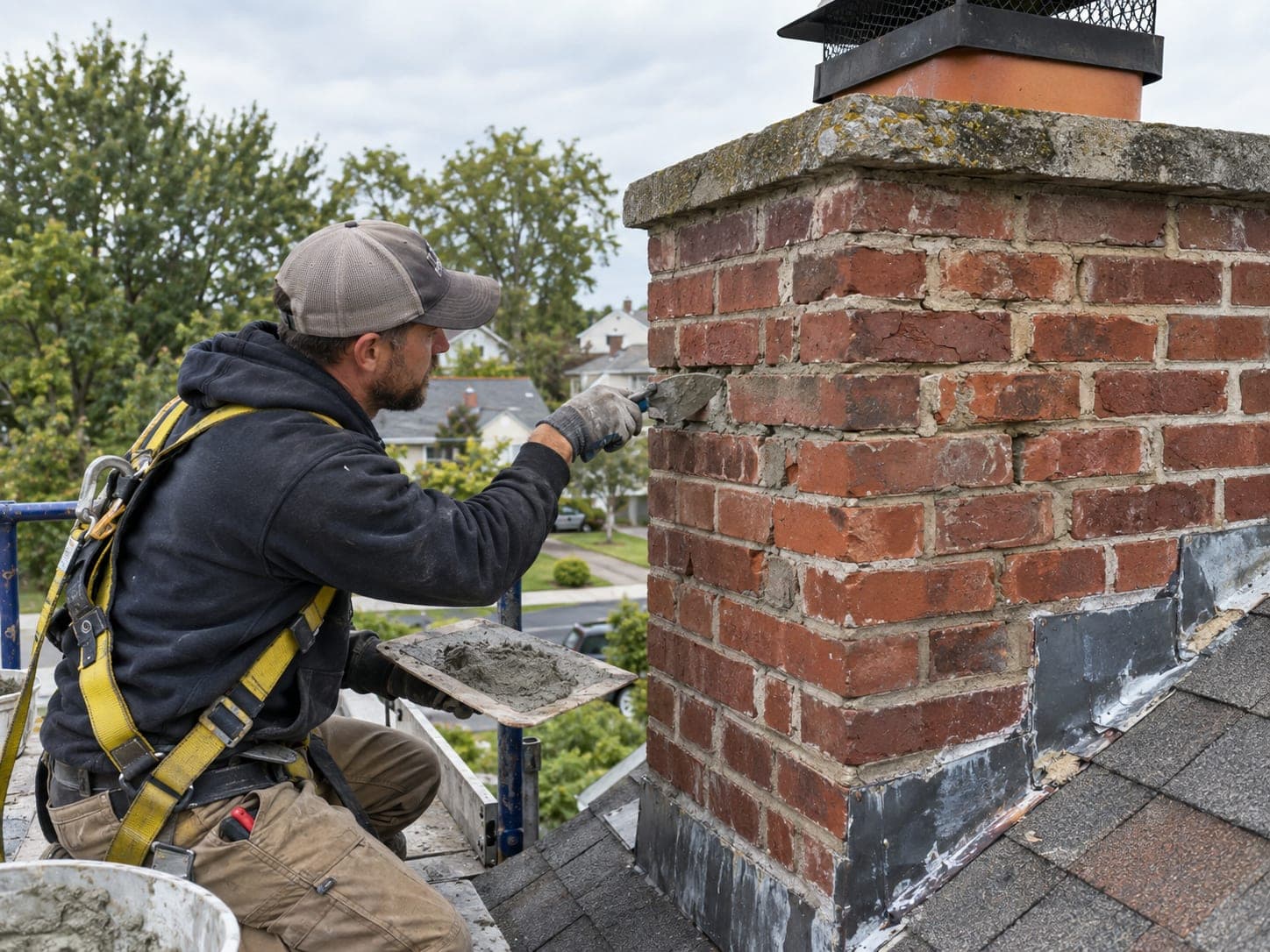
Sometimes a sweep shows the chimney is past patching: crumbling mortar, a failed crown, or a flue that no longer suits the appliance. The same business handles chimney rebuilds, masonry repair, tuckpointing, crown repair and liner installation. You won't be handed off to someone else. This rundown of common chimney problems explains how these issues usually start.
Commercial chimney sweeping services
Restaurants with wood-fired ovens, multi-unit buildings and offices with working fireplaces all need sweeping, often more frequently than homes. Commercial chimney services are offered, and property managers can add dryer vent cleaning for rental units to the same relationship.
What exceptional chimney care should look like
Good chimney care is easy to recognize. You should be shown what was found, hear a plain explanation of why it matters, and get a free estimate before any repair, with no pressure to decide on the spot. To understand what drives the price of a visit, read our guide to what a chimney sweep costs.
Unlined and appliance flues need a different approach
Unlined flues
Some older masonry chimneys have no flue liner, so exhaust runs directly against brick and mortar joints. We clean these carefully and note any eroded or open joints, since that often signals the chimney needs relining before heavy use. In lined chimneys, cleaning is also when damage to clay flue tiles is most likely to be found.
Appliance flues
A flue serving an oil or gas appliance doesn't collect creosote the way a wood flue does. It can still collect soot, flaking scale, fallen debris and nests. A partly blocked appliance flue can push exhaust back into the home, so it deserves the same attention. Read more about clearing a furnace flue.
Scheduling a professional sweep
We offer same-day service where the schedule allows, and we're available around the clock, Sunday through Friday for emergencies. Whether you need a sweep in Glastonbury, a sweep in Newington or service closer to downtown Hartford, get in touch to request a free estimate.