On this page
- What chimney repair covers and who needs it
- Signs your chimney needs repair
- What a chimney repair visit involves
- Repair options and what decides between them
- What affects the scope of a chimney repair
- How to prepare for the visit
- How weather can significantly affect your chimney and fireplace
- Making sure fireplace and chimney additions are properly installed
- Safety notes
What chimney repair covers and who needs it
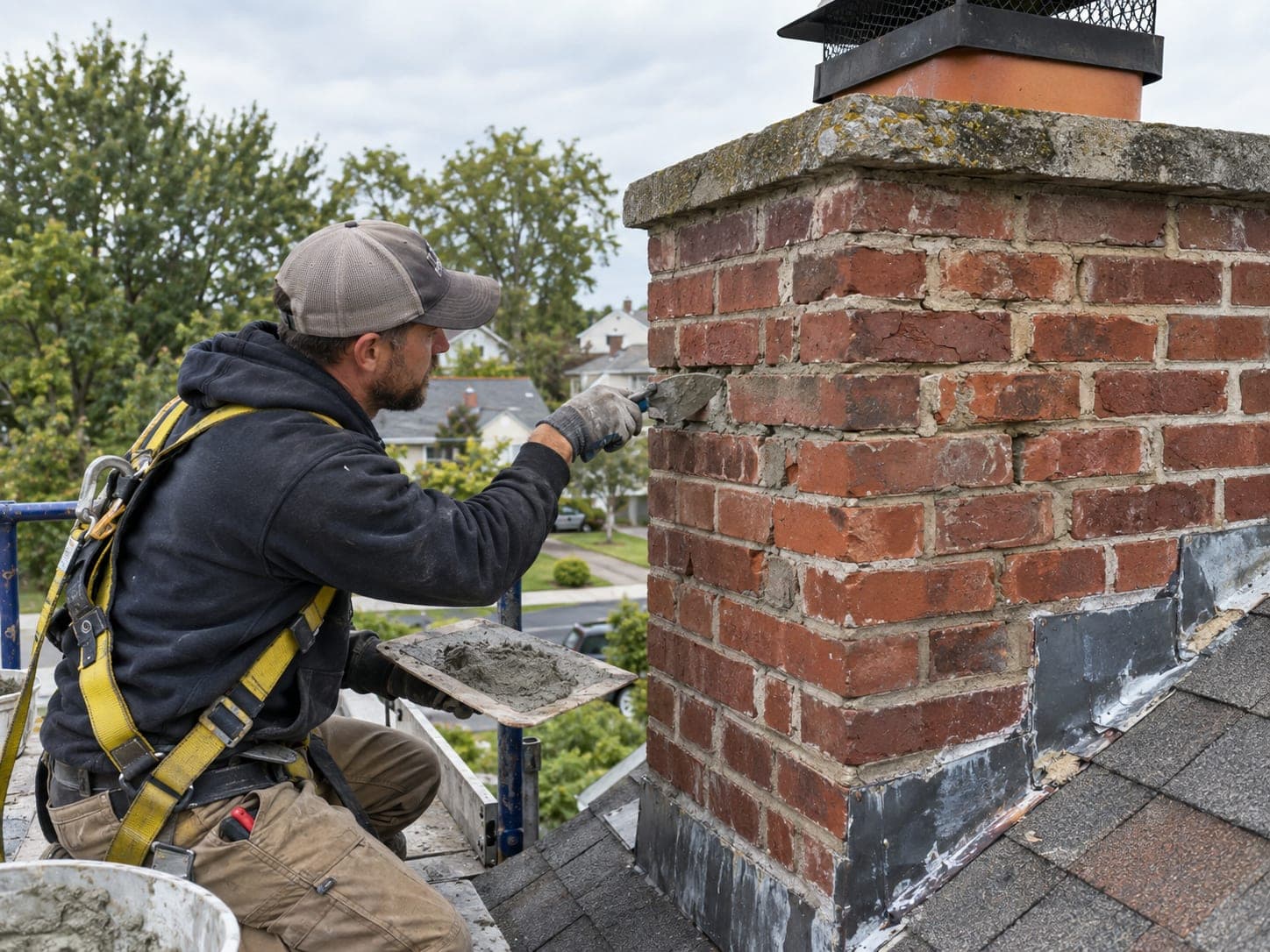
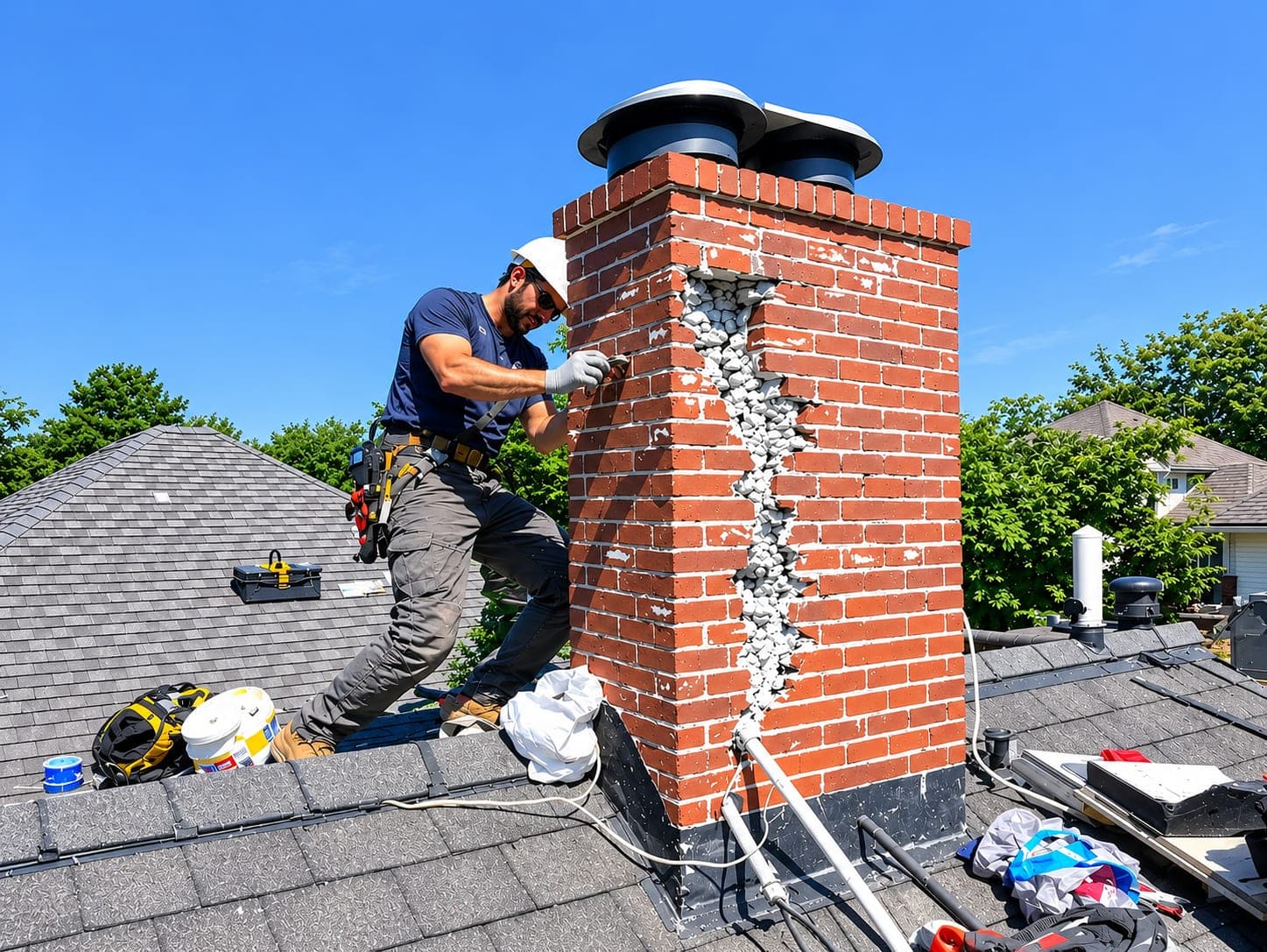
A chimney has two jobs. It carries smoke and combustion gases safely out of the house, and it keeps rain and snow out of the roof and walls around it. Professional chimney repair restores whichever part has stopped doing its job. That can be the masonry, the crown and cap on top, the flashing where the chimney meets the roof, the flue liner inside, or the damper and smoke chamber above the fireplace.
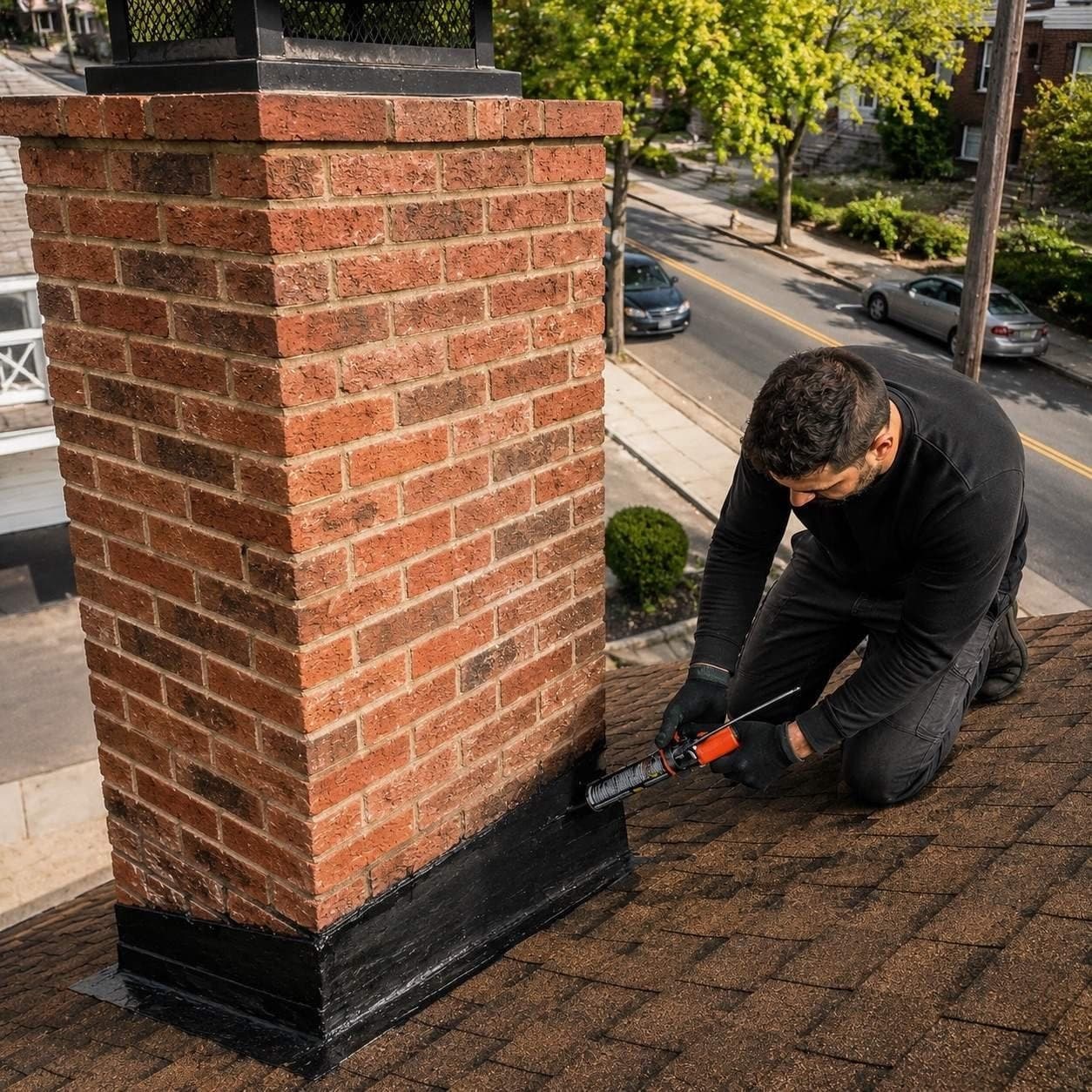
Homeowners usually call us for one of three reasons. They noticed a problem, such as a leak, falling brick or a smoky room. An inspection turned something up, often during a home sale. Or they plan to start using a fireplace that has sat idle for years. We work on traditional masonry chimneys and on prefab metal chimneys with framed chases. If the fireplace itself needs attention too, see how our fireplace and chimney repair work fits together.
Signs your chimney needs repair
Some warning signs are obvious. Others show up indoors, well away from the chimney. Watch for any of these:
- Water stains on the ceiling or wall next to the chimney, or dripping into the firebox after rain
- Crumbling or missing mortar between bricks, or bricks that are cracked, flaking or pushed out
- White, chalky deposits (efflorescence) on the outside of the chimney, which means water is moving through the masonry
- A cracked or broken crown on top of the chimney, or a missing or rusted cap
- Rust stains running down a metal chase cover or prefab chimney siding
- Pieces of tile or mortar collecting on the smoke shelf or in the firebox
- A damper that sticks, won't close, or lets cold air pour into the room
- Smoke spilling into the room or a lingering musty or smoky odor
- A chimney that leans or separates from the side of the house
Common chimney problems and how we check them
01Roof-line leak
- What you may notice
- Ceiling stains near the chimney, damp attic framing
- How it’s confirmed
- We inspect the step and counter flashing, the sealant and the masonry right above the roof line, then trace water stains from the attic side
02Damaged flue liner
- What you may notice
- Tile chips in the firebox, poor draft, smoke or odor indoors
- How it’s confirmed
- We look inside the flue, using a camera when the liner can't be seen clearly from the ends
03Emergency structural damage
- What you may notice
- Loose or fallen bricks, storm damage, a chimney pulling away from the house
- How it’s confirmed
- We assess the chimney from the ground and the roof and advise whether it is safe to use or approach
What a chimney repair visit involves
From first look to finished repair
Talk through the symptoms
Tell us what you've noticed: when a leak appears, which room smells of smoke, or what an inspector flagged. This tells us where to look first.
Check the exterior
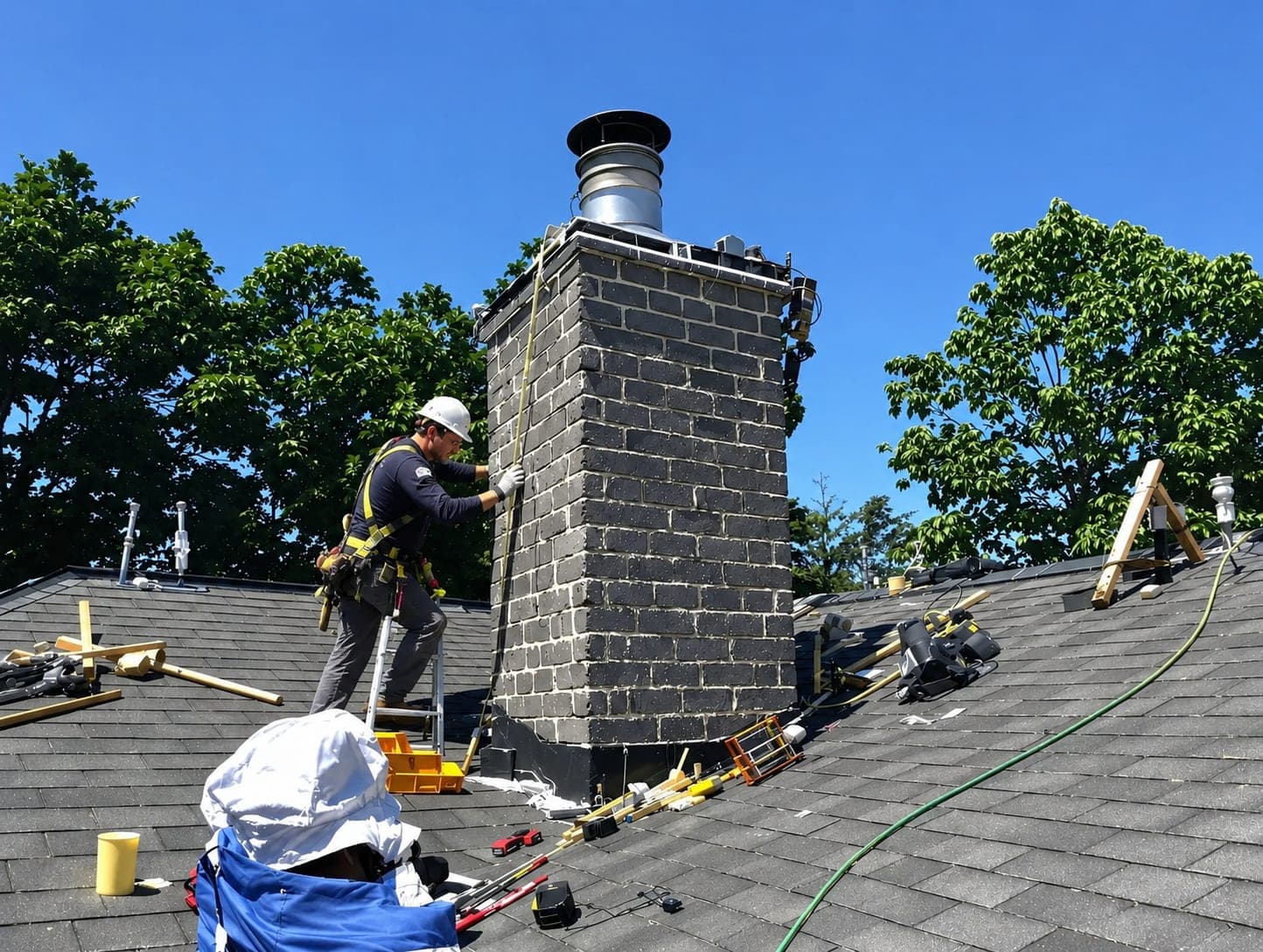
We examine the masonry or chase, the crown or chase cover, the cap and the flashing from the ground and, where it's safe, from the roof.
Check the interior and flue
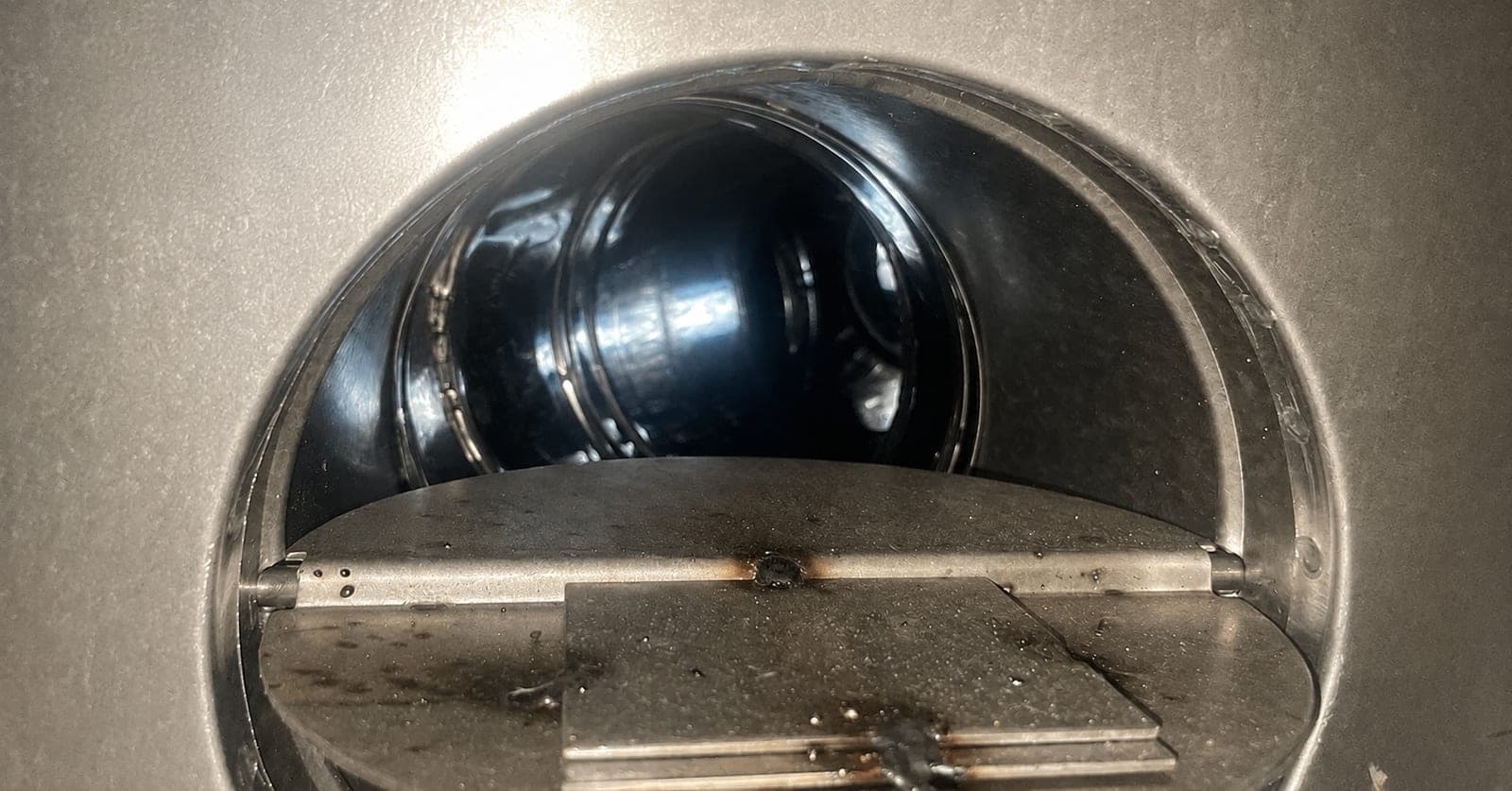
We look at the firebox, damper and smoke chamber, then up the flue. If the liner can't be fully seen, we use a camera inspection.
Explain findings and give a free estimate
You hear what's damaged, what's causing it and the repair options. The estimate is free, and no work starts until you approve it.
Make the repair
Protect the area around the fireplace and roof, and clean up when we finish.
Review the result
We walk you through what was done and anything you should watch for afterward.
What we check during a repair assessment
- Crown condition: cracks, gaps and how well it sheds water
- Chimney cap and screen: fit, rust and any missing pieces
- Flashing and counter flashing at the roof line
- Mortar joints and bricks, including spalling and loose units
- Chase cover and siding on prefab chimneys
- Flue liner: cracks, gaps, missing mortar and liner condition
- Damper operation and seal
- Smoke chamber and firebox walls
- Signs of water entry in the attic or around the chimney indoors
- Animal nests, debris or blockages that affect draft
Repair options and what decides between them
Most chimney problems can be handled in more than one way. The right choice depends on how far the damage has gone and whether the cause can be stopped. A small leak at the flashing usually just needs new flashing. Water that has soaked the masonry for years may mean replacing mortar, bricks and the crown as well.
| Feature | Targeted repair | Larger rebuild or replacement |
|---|---|---|
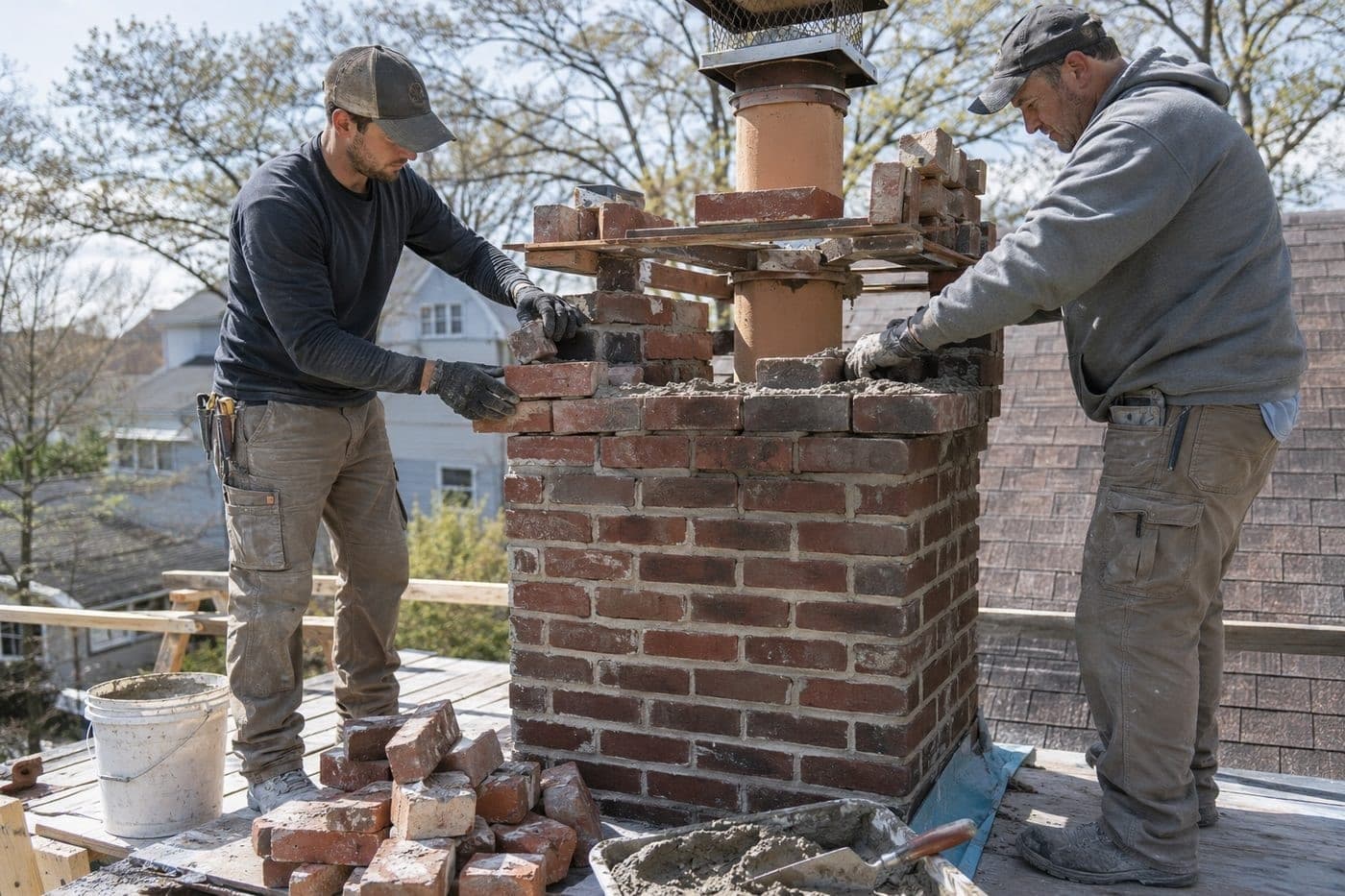
| Mortar and brick | Tuckpointing worn joints and replacing individual damaged bricks | Rebuilding the upper courses or the full chimney when bricks are loose or the stack is unstable |
| Crown | Sealing hairline cracks | Rebuilding a crown that is broken, crumbling or poorly shaped |
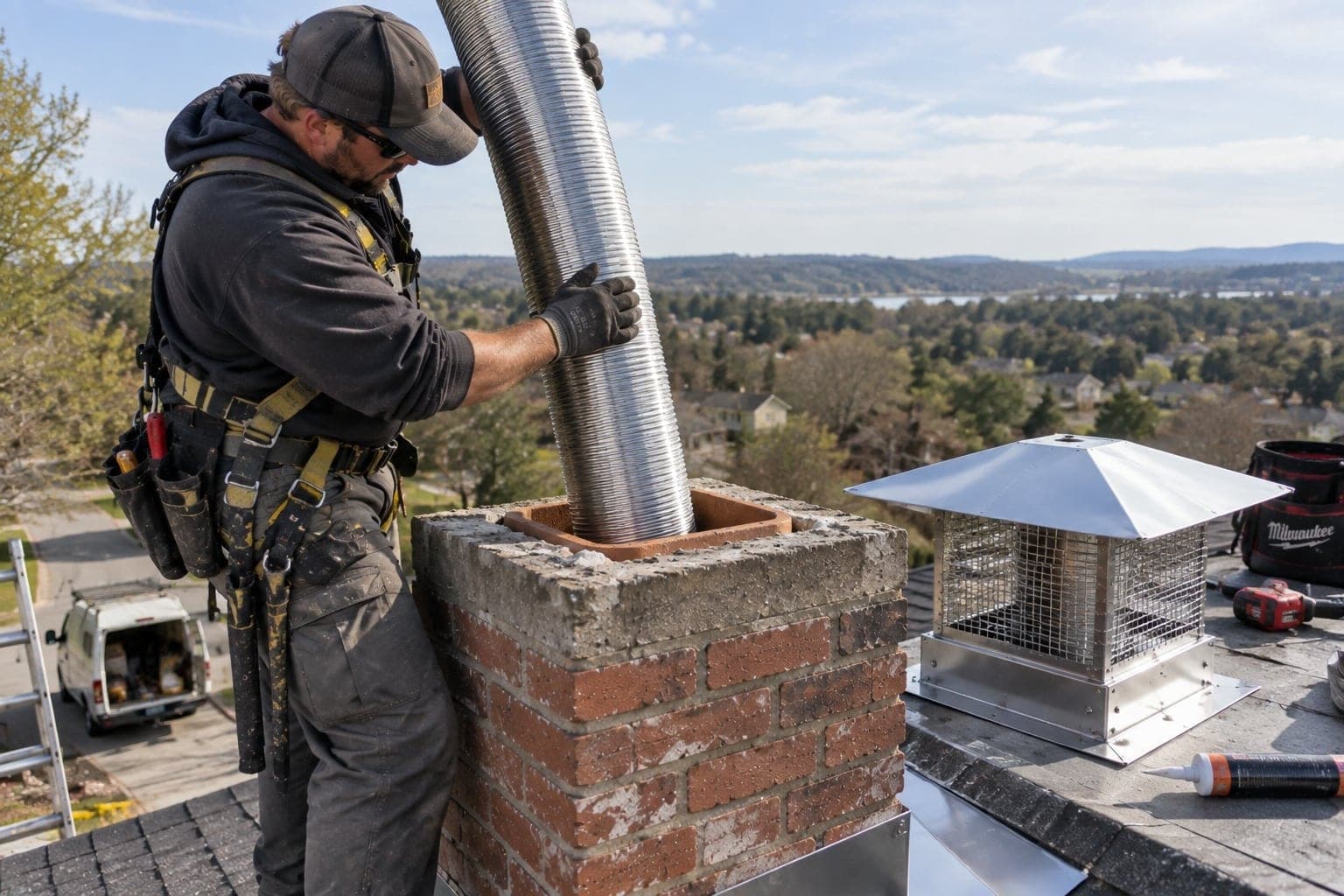
| Flue liner | Repairing gaps or isolated damage in an existing liner | Installing a new liner when the old one is badly cracked or doesn't suit the appliance |
| Flashing | Resealing or patching a small failure | Replacing the flashing when it is rusted, torn or wrongly installed |
| Prefab chase | Replacing a rusted chase cover or sealing the cover | Repairing chase framing and siding when water has rotted it |
Mortar and brick
- Targeted repair
- Tuckpointing worn joints and replacing individual damaged bricks
- Larger rebuild or replacement
- Rebuilding the upper courses or the full chimney when bricks are loose or the stack is unstable
Crown
- Targeted repair
- Sealing hairline cracks
- Larger rebuild or replacement
- Rebuilding a crown that is broken, crumbling or poorly shaped
Flue liner
- Targeted repair
- Repairing gaps or isolated damage in an existing liner
- Larger rebuild or replacement
- Installing a new liner when the old one is badly cracked or doesn't suit the appliance
Flashing
- Targeted repair
- Resealing or patching a small failure
- Larger rebuild or replacement
- Replacing the flashing when it is rusted, torn or wrongly installed
Prefab chase
- Targeted repair
- Replacing a rusted chase cover or sealing the cover
- Larger rebuild or replacement
- Repairing chase framing and siding when water has rotted it
Liners call for careful judgment, because the right liner depends on what burns in the fireplace or stove below. If you want background before we talk, our guide to understanding chimney liners covers the main types. After repairs, waterproofing the masonry and adding a properly fitted cap can help keep water from undoing the work.
What affects the scope of a chimney repair
We give a free estimate after seeing the chimney, because the same symptom can come from very different problems. These factors shape how much work a repair involves:
- How far the damage has spread. A single failed joint is a different job from saturated masonry.
- Masonry vs. prefab construction. These use different materials and methods.
- Height, roof pitch and access. These affect the setup needed to work safely on top.
- Whether the flue liner is involved. Interior repairs need different equipment than exterior ones.
- Hidden damage. Some problems only appear once old flashing or a crown is removed. If that happens, we tell you before we go further.
- Matching existing materials. Mortar color and brick style matter when the repair will be visible.
- Weather. Masonry and sealant work needs suitable conditions to cure properly.
How to prepare for the visit
- Let any fire burn out completely, and give the firebox and flue time to cool before we arrive.
- Clear furniture, rugs and decorations from in front of the fireplace.
- Make sure we can reach the attic if a leak is involved.
- Keep pets in another room while we work.
- Write down when problems happen, such as leaks only in wind-driven rain, so we can match them to a cause.
- Have any past inspection reports or repair records ready.
How weather can significantly affect your chimney and fireplace
In general, water is the biggest enemy of a chimney. Masonry absorbs moisture, and when that water freezes it expands, widening small cracks a little more each cycle. Over several winters, a hairline crack in the crown can turn into loose bricks and a leak inside the house. Harsh winters also mean heavier fireplace use, which adds heat stress and creosote at the same time. Storms can bend caps, loosen flashing and knock debris into the flue, which is why we also offer storm damage chimney inspections.
It's time to make sure your chimney is clean
Before the heating season is the sensible time for every fireplace owner to make sure the chimney is clean and the components are sound. A cleaning lets us see the liner and smoke chamber clearly, and small repairs found then are easier to handle than ones found mid-winter. Our fireplace safety guide covers habits that help between visits.
Making sure fireplace and chimney additions are properly installed
Adding an insert, a new liner, a gas log set, doors or a cap changes how the system behaves. An insert needs a correctly sized liner. A cap needs enough open area for the flue. Glass doors need to fit the opening. We check that additions match the fireplace and chimney they're going into and repair problems left by earlier installations, such as unsealed liner connections or caps that restrict airflow. If you're considering a new masonry chimney, see how brick chimney installation works.
Safety notes
Stop using the fireplace if you see these
Don't light a fire if you find pieces of flue tile in the firebox, smell smoke in other rooms, or have had a chimney fire. A damaged liner can let heat and combustion gases reach parts of the house they shouldn't, so a working carbon monoxide detector matters. If bricks are loose or have fallen, keep people away from the area below the chimney, and don't climb onto the roof yourself.
Urgent chimney damage
We accept emergency calls and are available 24 hours, Sunday through Friday. Same-day service is offered when the schedule allows. If storm damage, a falling chimney or a sudden leak can't wait, see how our Sunday–Friday 24-hour chimney service works, or call and request an estimate.