On this page
Proper chimney maintenance advice
Good chimney care is split between what you can watch for yourself and what needs someone on the roof or inside the flue. Here's a practical way to divide it.
| Task | Who | General guide |
|---|---|---|
| Burn only dry, seasoned wood | Homeowner | Every fire |
| Look at the cap and crown from the ground | Homeowner | After major storms |
| Watch for water stains, odors or smoke in the room | Homeowner | Ongoing |
| Inspect the chimney and fireplace | Professional | At least once a year |
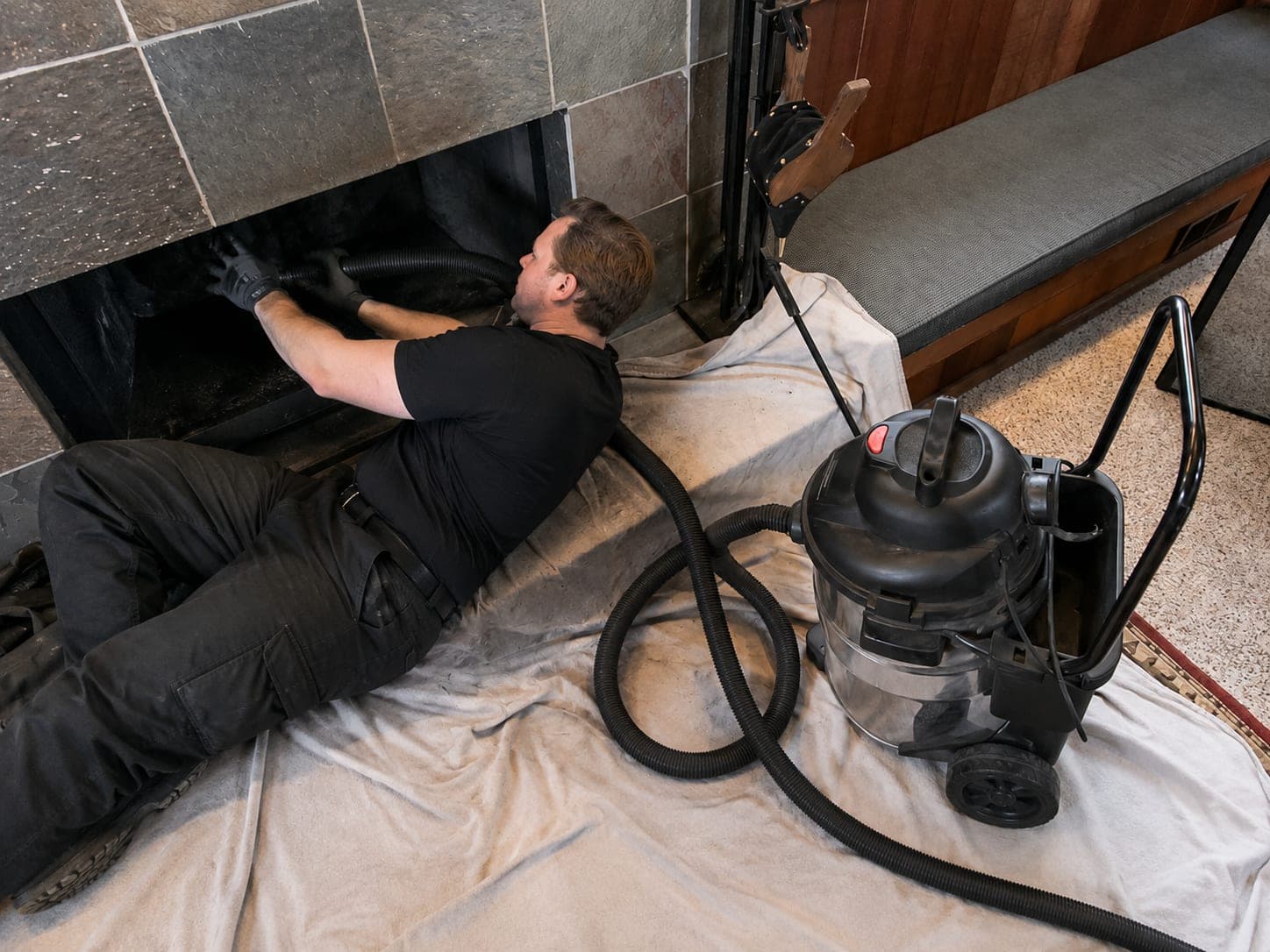
| Sweep the flue | Professional | Based on how much you burn and what the inspection finds |
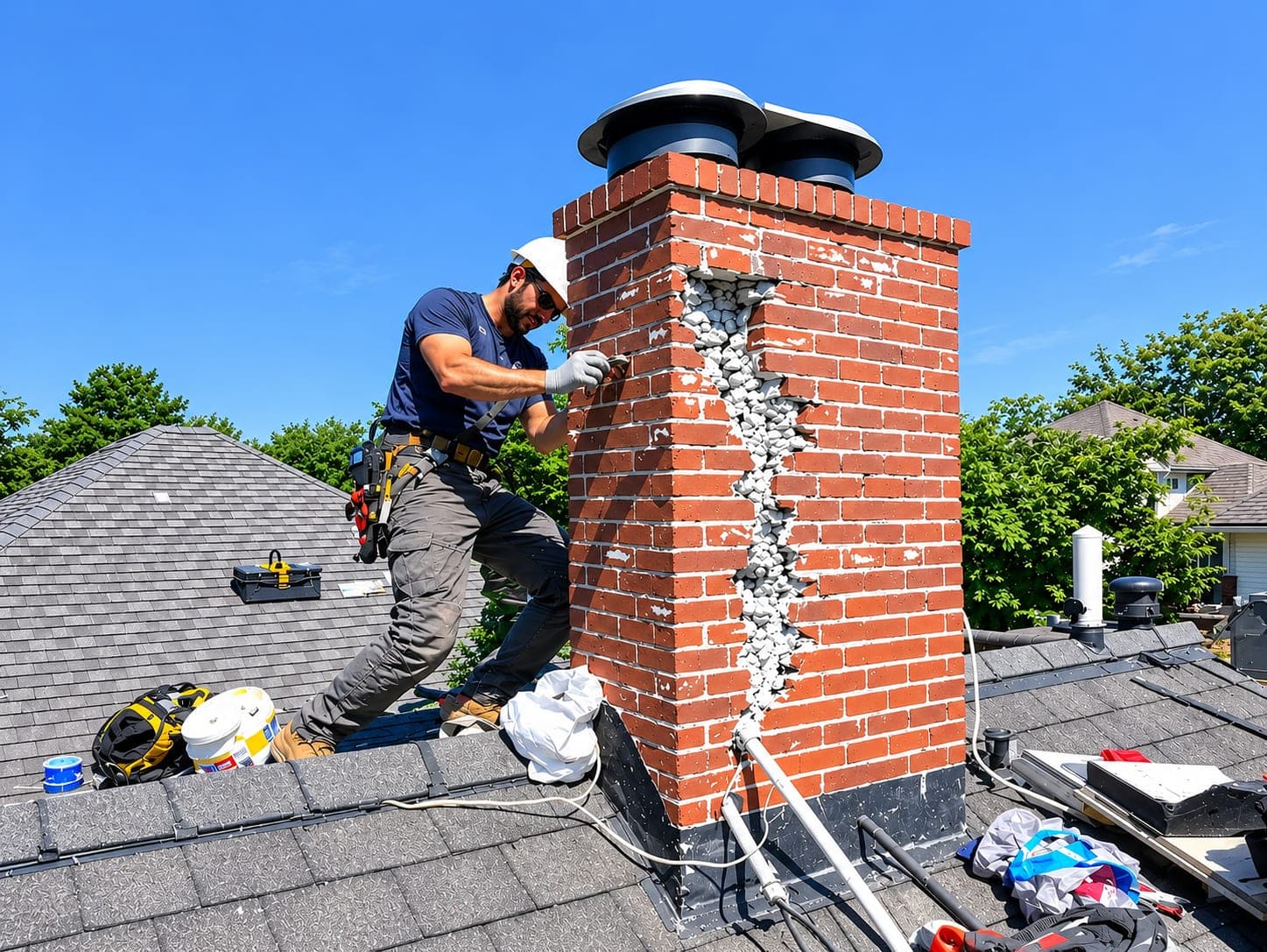
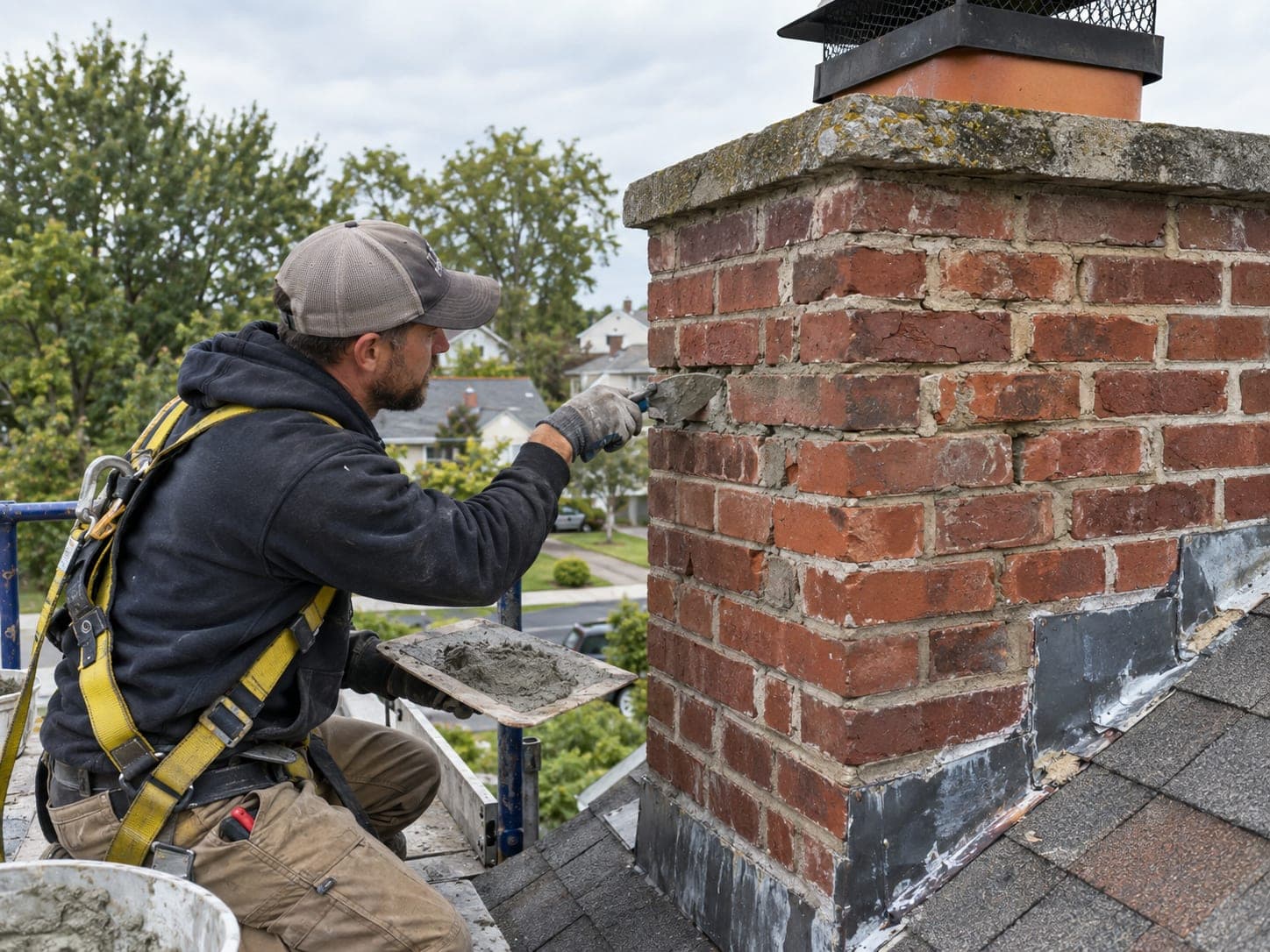
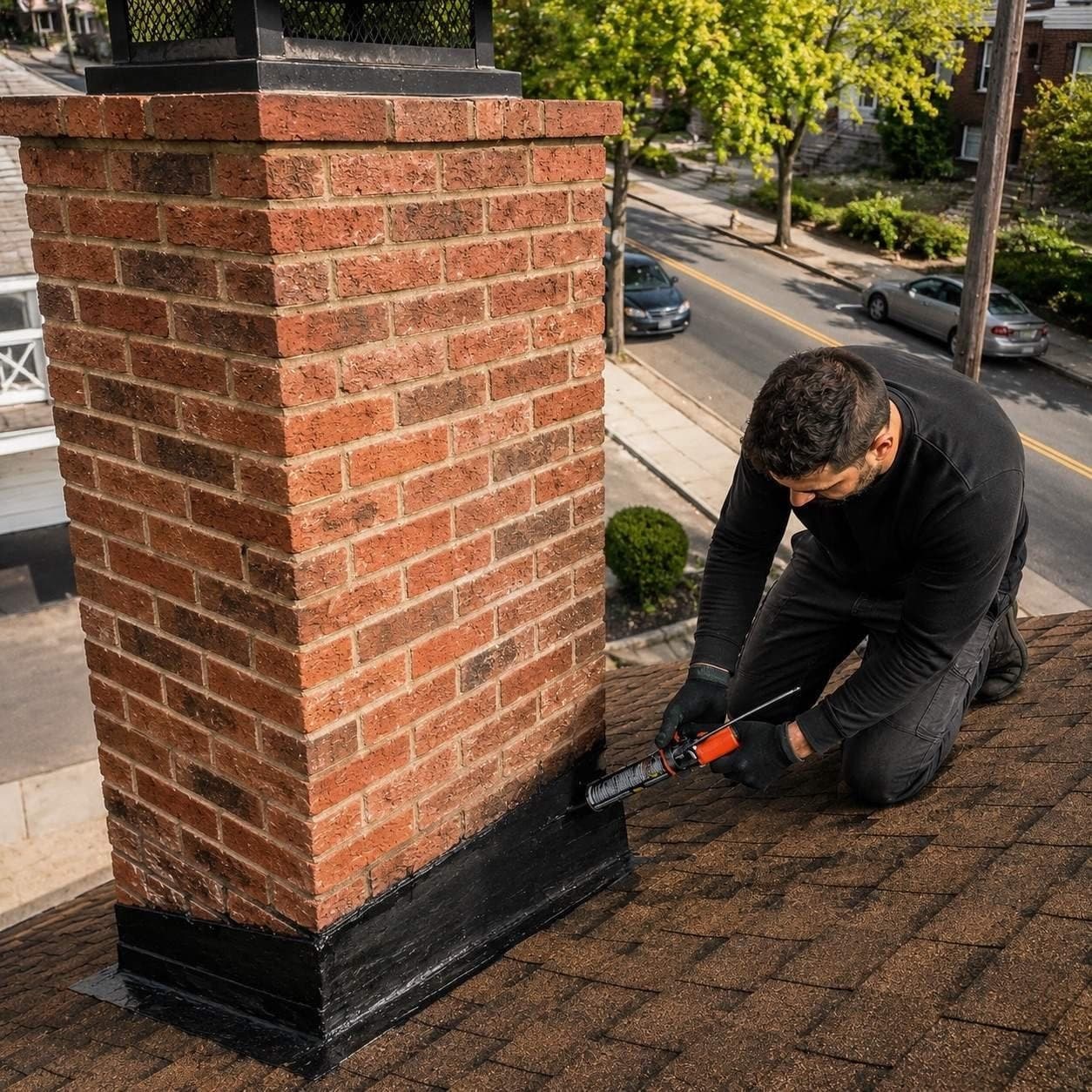
| Seal masonry, repair crown and flashing | Professional | As needed |
Why exposure affects chimney maintenance differently
Two chimneys of the same age can need very different care depending on where they stand. A chimney exposed to open wind, near large bodies of water or in a damp spot takes more wind-driven rain and stays wet longer. Wet masonry that freezes and thaws loses mortar, cracks at the crown and lets water past the flashing. For those chimneys, maintenance leans toward waterproofing, crown and flashing work, and checking the cap after storms.
A sheltered chimney that's used heavily has a different main concern: creosote building up inside the flue. Its maintenance leans toward regular sweeping and keeping an eye on the liner. This is general guidance about chimney construction, not a description of any particular neighborhood. Your own chimney's exposure and use are what set the schedule.
| Feature | Exposed or damp setting | Sheltered, heavily used |
|---|---|---|
| Main threat | Water and freeze-thaw | Creosote buildup |
| Focus | Crown, flashing, waterproofing, cap | Sweeping, flue and liner condition |
Main threat
- Exposed or damp setting
- Water and freeze-thaw
- Sheltered, heavily used
- Creosote buildup
Focus
- Exposed or damp setting
- Crown, flashing, waterproofing, cap
- Sheltered, heavily used
- Sweeping, flue and liner condition
Keeping the whole system in working order
Maintenance covers more than the flue. Dampers, smoke chambers and fireboxes wear too, and maintenance of the full chimney passage keeps the route from firebox to cap clear and sound. Liners age as well; how flue liners hold up over time explains what to expect.
When upkeep turns up something more serious, fireplace and chimney repairs can be scheduled with a free estimate. If a problem appears in the middle of the night, such as smoke backing up or a storm-damaged cap, Sunday–Friday 24-hour chimney service is available.
What happens during the visit
A damaged liner or firebox lets heat reach parts of the house it shouldn't. Small repairs done early usually avoid a partial rebuild later.
Inspect
Masonry, crown, flashing, cap and the inside of the flue are checked.
Trace the cause
The repair targets what is actually failing, not just the symptom.
Agree the scope
Nothing starts until you've approved what will be done.
Fix and finish
The work is completed and the area left clean.
If smoke comes into the room
Stop adding fuel, open a window and don't relight the fire until the chimney has been checked. If the smoke is heavy, an alarm sounds or you suspect a chimney fire, get everyone outside and call 911.
Signs it's time for chimney repair
- Pieces of flue tile in the firebox
- A cracked or crumbling crown
- Rust on the damper or firebox
- Crumbling or sandy mortar joints
- A cap that is loose, rusted or missing
Checked on every visit
- Crown cracks and pooling water
- Flashing seal at the roof
- Damper and smoke chamber
- Flue liner condition
- Firebox walls and floor
Before the technician arrives
- Keep pets in another room while the work area is open.
- Move rugs, photos and anything fragile away from the work area.
- Note the make and model of any insert, stove or gas unit if you have it.
- Write down what you've noticed and when it happens — smells, smoke, sounds or stains.