On this page
Fireplace door styles and what each suits
| Style | Works well for | Keep in mind |
|---|---|---|
| Bifold glass doors | Most masonry openings; fold back easily for an open fire | More hinges and tracks to keep aligned |
| Cabinet-style swing doors | Wider panes and a cleaner look | Need room to swing open |
| Glass doors with built-in mesh | Glass closed when the fireplace is off, screen while burning | Mesh can sag over time |
| Doors for factory-built fireplaces | Prefab units, using doors listed for the model | Limited to manufacturer-approved options |
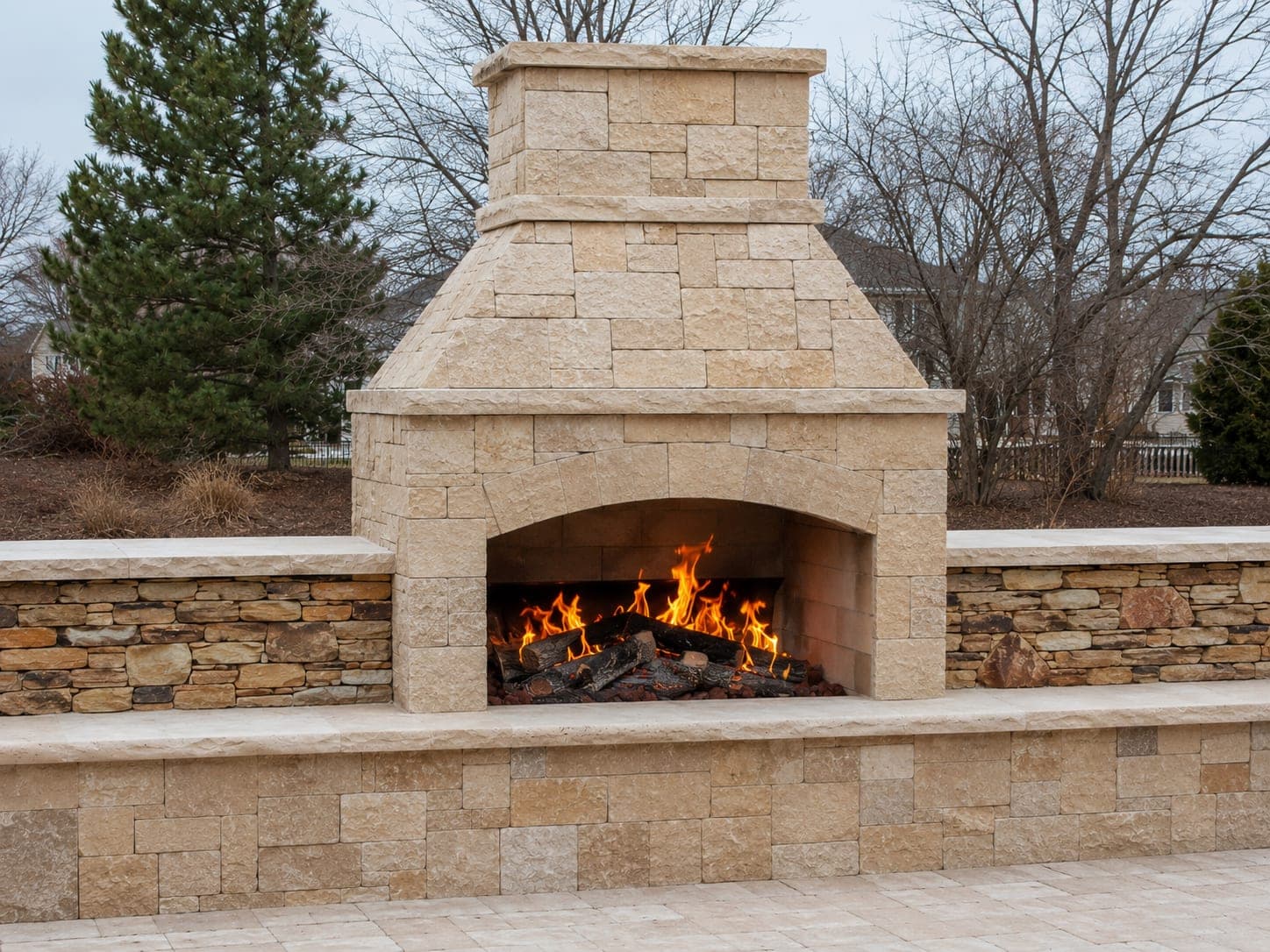
Fit matters more than frame finish. A heavy, handsome frame that doesn't seal against the opening still lets warm air escape up the chimney when the fireplace is off. To see how fit is handled on brick, stone and factory-built units, read what fireplace door installation involves.
What happens during the visit
Clearances to combustibles are set by the manufacturer and the building code. Venting must match the appliance's listing or it won't draft or pass inspection.
Look at the space
The opening, wall or chase, the chimney and the fuel available are checked.
Choose the unit
Size, fuel and style are matched to the room and the venting.
Install
The unit and its venting are installed to the manufacturer's instructions and local code.
Test
The unit is fired and checked, and you're shown how to use it.
Signs it's time for fireplace door installation
- A damaged factory-built unit past repair
- An open fireplace that sends most of its heat up the chimney
- A switch from wood to gas or electric
- A remodel that adds or moves a fireplace
- A worn-out insert or stove
Getting ready for the visit
- Note the make and model of any insert, stove or gas unit if you have it.
- Write down what you've noticed and when it happens — smells, smoke, sounds or stains.
- Move rugs, photos and anything fragile away from the work area.
- Let the fireplace or stove cool completely — ideally no fire for 24 hours before the visit.
What the technician checks
- Hearth extension and protection
- Opening or framing dimensions
- Required clearances to combustibles
- Permit requirements
- Gas supply or electrical needs
- Vent or liner route and length
If you smell gas
Leave the home right away, don't use switches or phones inside, and call your gas utility or 911 from outside.
Tempered or ceramic glass
Most glass fireplace doors use tempered glass. It's strong and clear, but it has a heat limit, and many manufacturers say to keep the doors open during a hot, roaring fire. Ceramic glass tolerates much higher temperatures and is the usual choice when doors stay closed while burning. Tinted glass hides a dark firebox when the fireplace is off, while clear glass shows more flame. If you want a fully glass-front look, read about glass door fireplace options.
When a fireplace door needs repair
Doors wear out slowly, so it's easy to live with problems longer than you should. Get in touch if you notice any of these:
- Cracked, chipped or clouded glass
- Hinges that stick, or doors that won't stay shut
- A visible gap between the frame and the fireplace face
- Loose mounting clips, or a frame that shifts when touched
- Air controls that are seized or missing
We replace fireplace glass and repair doors, and we'll tell you honestly when a worn frame makes new doors the better choice. Don't light a fire behind cracked glass. Our guide to fireplace safety covers other quick checks, and how doors help an efficient fireplace explains their role in keeping heat in the house.