On this page
- What a comprehensive chimney inspection covers and who needs one
- Signs your chimney needs a comprehensive evaluation
- What the inspection visit involves
- What gets checked during a comprehensive chimney inspection
- Inspection options and what decides between them
- What affects the scope of the inspection
- How to prepare for your inspection
- Routine check versus comprehensive inspection
- What a professional chimney inspection covers that a flashlight can't
- Chimney care after the inspection
What a comprehensive chimney inspection covers and who needs one
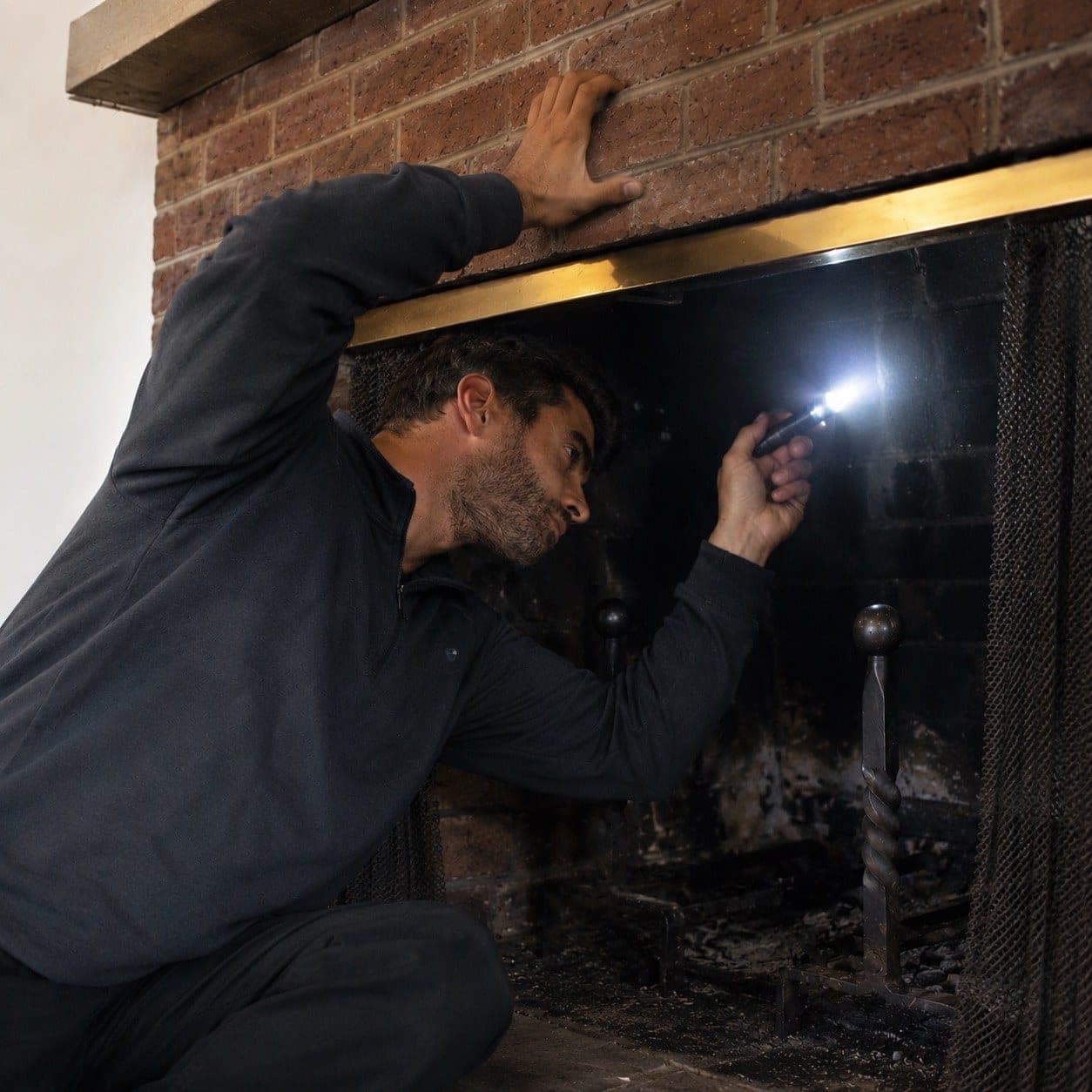
Most chimney trouble develops out of sight. Cracked flue tiles, a deteriorating crown, a nest wedged above the damper or a gap in the liner can all go unnoticed for years while the fireplace seems to work fine. A comprehensive chimney inspection is a structured evaluation of the parts you can see and the parts you can't. It covers masonry, flashing, cap, crown, flue, liner, smoke chamber, damper and firebox, along with the connections for wood stoves and inserts.
It is the right service for:
- Homeowners who use a fireplace, insert or wood stove and want to confirm it is safe before the burning season
- Buyers and sellers who need a real estate chimney inspection as part of a home sale
- Anyone who has had a chimney fire, a lightning strike, a fallen tree limb or a severe storm hit the roof
- Households switching fuel types, adding an insert or converting a fireplace
- Owners of a chimney that hasn't been used or looked at in a long time
If you mainly want a quick condition check on a chimney you already use regularly, our budget chimney inspection may suit you better. The comprehensive version goes deeper and is the better choice when something has changed or you need a fuller picture.
Signs your chimney needs a comprehensive evaluation
- Smoke rolling back into the room, or a fire that is hard to keep drafting
- Strong smoky, musty or tar-like odors, especially in humid weather
- Water stains on the ceiling or wall near the chimney, or rust on the damper
- Flakes of tile, brick or mortar falling into the firebox
- White staining (efflorescence), spalling brick or crumbling mortar joints outside
- Animal noises, nesting debris or birds around the top of the chimney
- A chimney that looks like it is leaning or pulling away from the house
Many of these overlap with the issues covered in our guide to common chimney problems, which explains what typically causes each one.
Leaning chimneys: a comprehensive approach to restoration
A chimney that tilts or separates from the house is a structural concern, not a cosmetic one. During the inspection we look at where the movement appears to start, the condition of the masonry and mortar, and whether the flue has shifted along with the structure. Depending on what we find, the fix may involve masonry repair, tuckpointing, crown work or a partial or full chimney rebuild. Until it has been assessed, avoid using a fireplace or stove vented through a leaning chimney.
What the inspection visit involves
How a comprehensive chimney assessment works
Talk through your concerns
We ask how you use the fireplace or stove, what fuel you burn, and what you have noticed, such as smells, leaks, draft trouble or recent storm damage.
Protect the work area
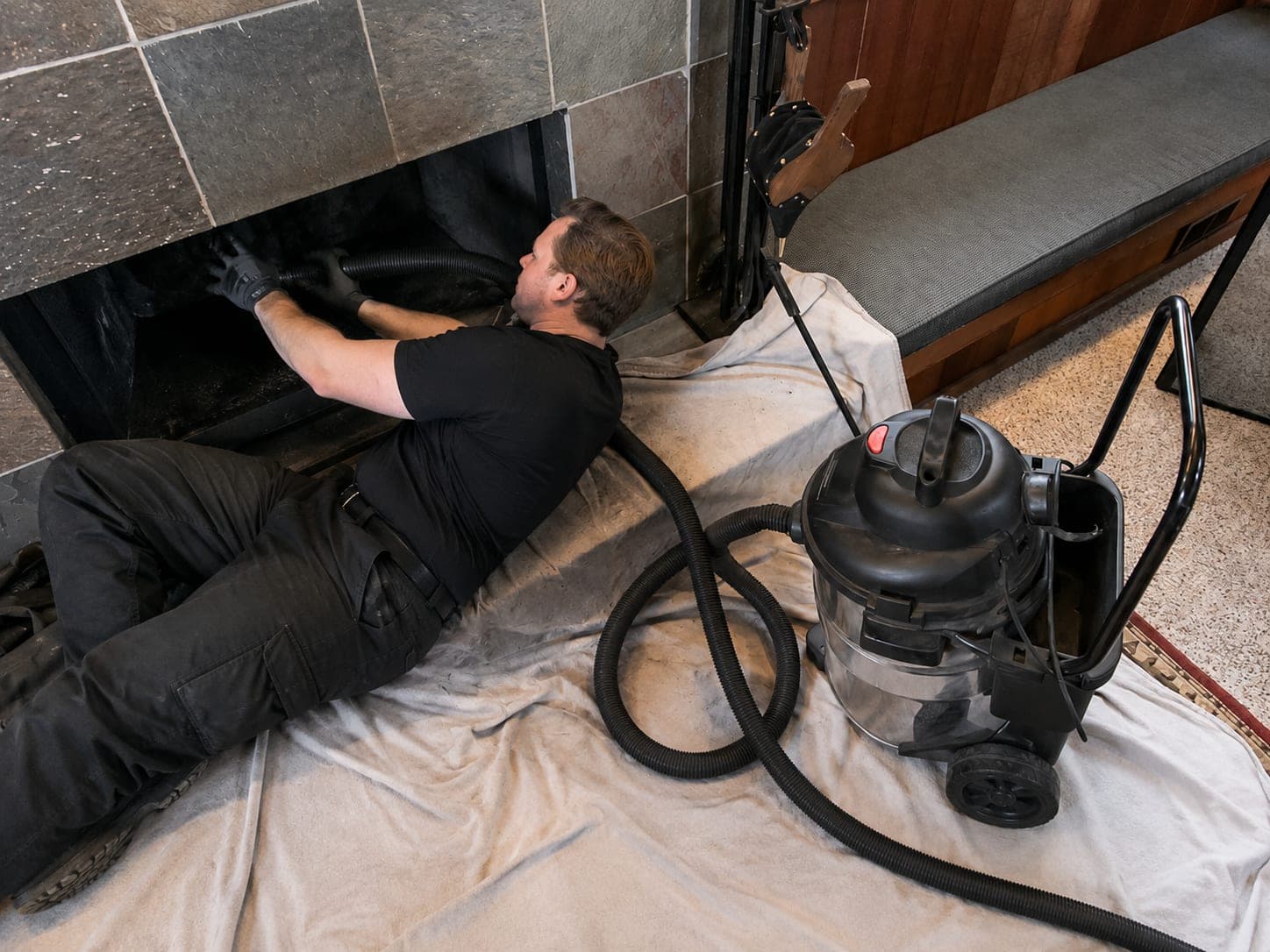
Drop cloths and covers go down around the hearth before anything is opened up.
Interior check
We examine the firebox, damper, smoke chamber and any insert or stove connection, and look at accessible attic and basement areas around the chimney.
Exterior and roof check
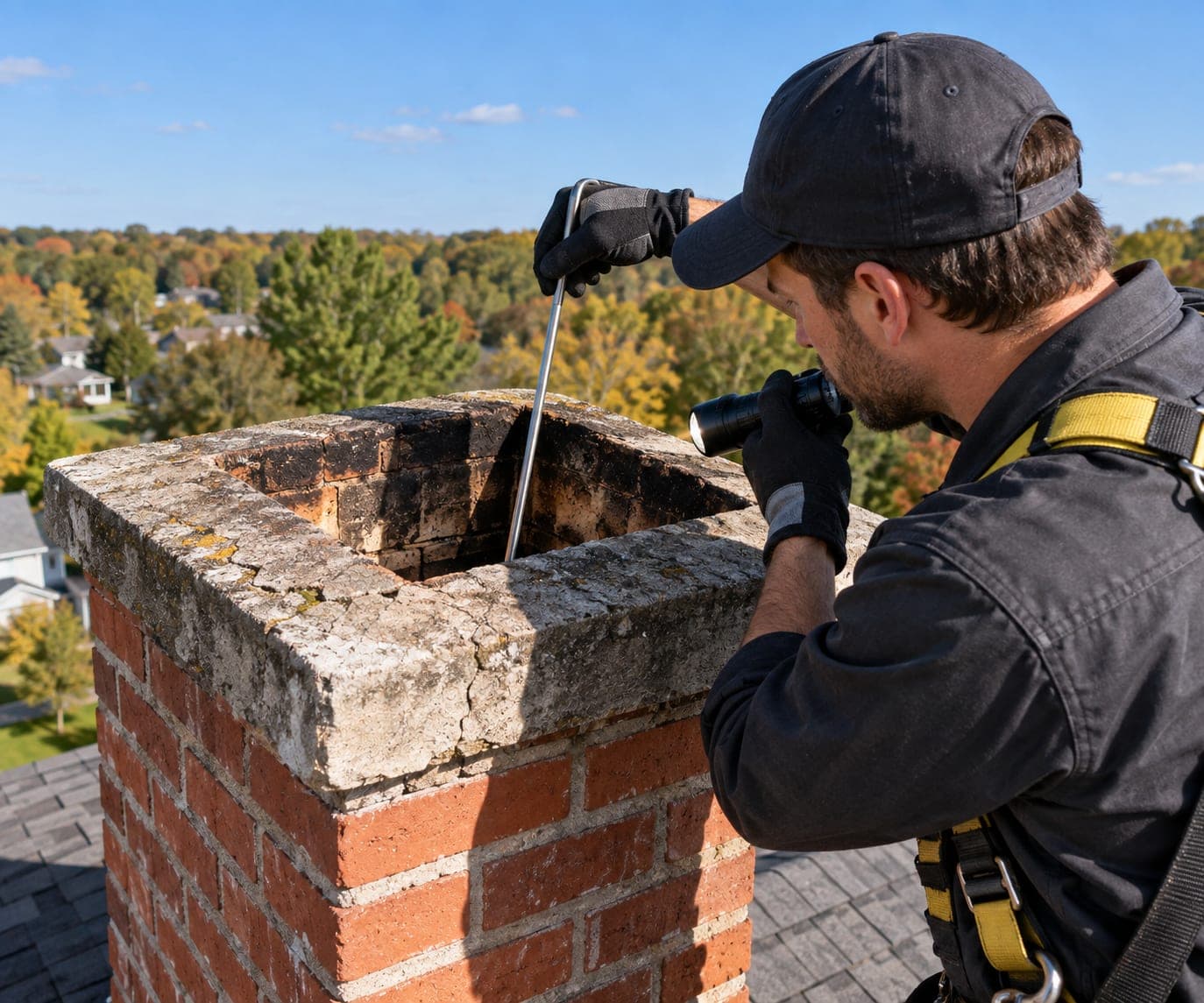
Where it is safe to access, we inspect the crown, cap, flashing, masonry and chase or chase cover.
Flue and liner review
We look up the flue and, when the situation calls for it, run a chimney camera through to see the liner and joints along their full length.
Walk-through of findings
We explain what we saw, what is urgent, what can wait, and what options make sense. Estimates for any recommended work are free.
What gets checked during a comprehensive chimney inspection
Comprehensive chimney evaluation checklist
- Chimney crown for cracks, gaps and water entry
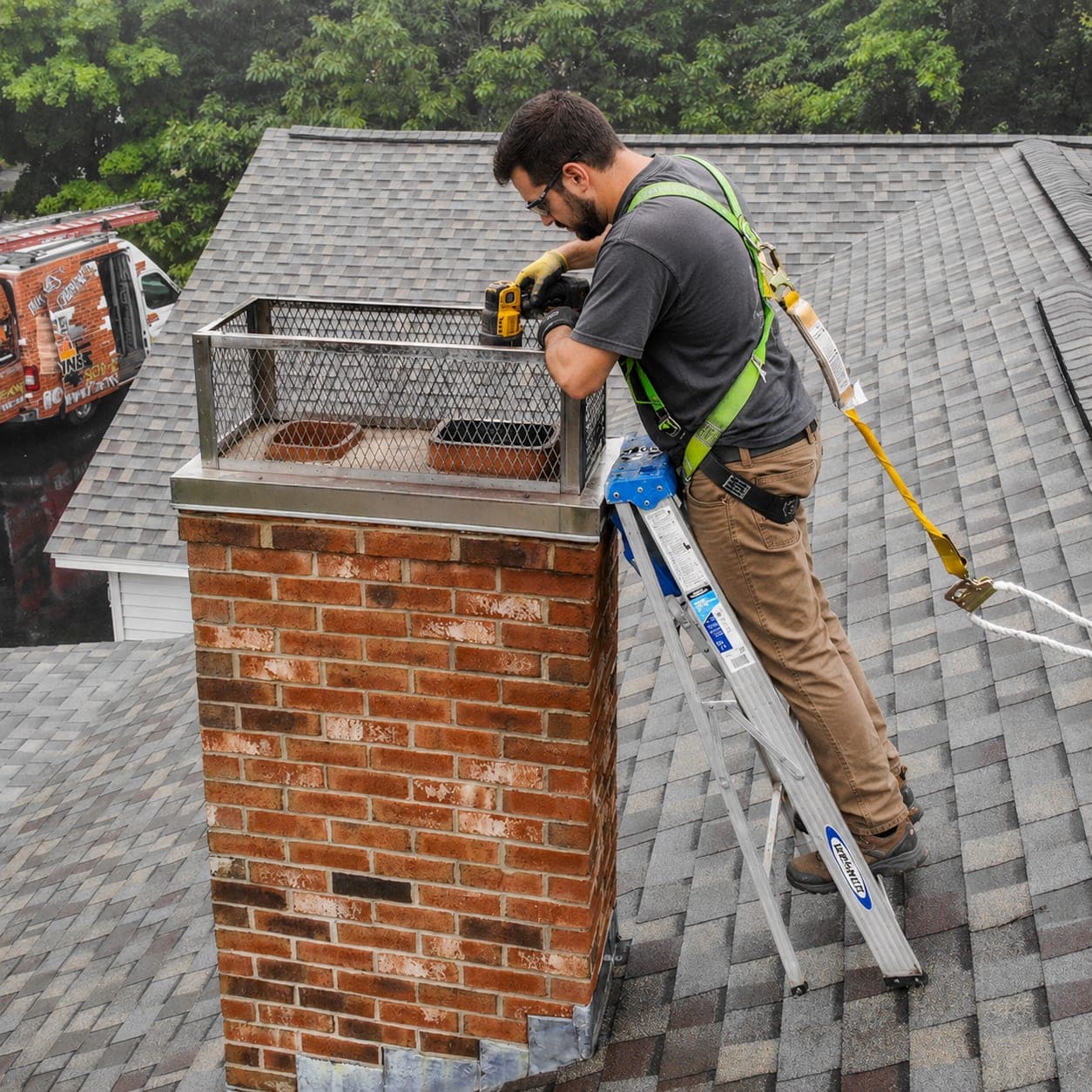
- Chimney cap and animal screen condition and fit
- Flashing where the chimney meets the roof
- Brick, stone and mortar joints for spalling, cracking or missing mortar
- Prefab chase and chase cover for rust, sagging or leaks
- Flue liner for cracks, gaps, offsets and deterioration
- Creosote buildup and its type along the flue
- Blockages such as nests, debris or fallen masonry
- Smoke chamber and smoke shelf condition
- Damper operation and seal
- Firebox walls, floor and refractory panels
- Hearth and clearances to nearby combustibles
Flue and liner: the part most likely to hide trouble
The flue carries smoke and combustion gases out of the house, and the liner protects the surrounding masonry and framing from heat and corrosive byproducts. Cracked tiles, missing mortar between sections or a liner that is the wrong size for the appliance can let heat and gases escape where they shouldn't. Proper liner maintenance starts with regular sweeping, so creosote doesn't build up, and periodic inspection, so damage is found early. Where repair is needed, options range from liner repair to a full chimney liner installation. For a closer look at this part of the system, see how flue inspection works.
Inspection options and what decides between them
| Feature | Basic visual check | Comprehensive inspection |
|---|---|---|
| Best for | Regularly used chimney with no changes or known problems | Home sales, storm damage, chimney fires, fuel or appliance changes, unexplained symptoms |
| Areas reviewed | Readily accessible parts of the chimney and fireplace | Interior, exterior, roof, accessible attic and basement areas, full flue |
| Camera use | Only if something calls for it | Commonly used to see the full liner |
| Outcome | Confirms routine condition | Detailed findings and repair options |
Best for
- Basic visual check
- Regularly used chimney with no changes or known problems
- Comprehensive inspection
- Home sales, storm damage, chimney fires, fuel or appliance changes, unexplained symptoms
Areas reviewed
- Basic visual check
- Readily accessible parts of the chimney and fireplace
- Comprehensive inspection
- Interior, exterior, roof, accessible attic and basement areas, full flue
Camera use
- Basic visual check
- Only if something calls for it
- Comprehensive inspection
- Commonly used to see the full liner
Outcome
- Basic visual check
- Confirms routine condition
- Comprehensive inspection
- Detailed findings and repair options
If the fireplace itself is your main concern, such as doors, glass, gas components or the firebox, a dedicated fireplace inspection service may be the more focused choice. A chimney camera inspection can also be added on its own when you only need to see inside the flue.
Commercial chimney inspection
Restaurants, multi-unit buildings and other commercial properties often have taller chimneys, multiple flues and appliances sharing venting. We handle commercial chimney services as well, and the same top-to-bottom approach applies. We map out which appliances vent where and check each flue for condition and blockages.
What affects the scope of the inspection
- Number of flues and appliances, since each flue is reviewed on its own
- Chimney height and roof access, including pitch and roofing material
- Type of system: masonry chimney, prefab chimney and chase, insert or wood stove
- Whether a camera is needed to see the full length of the liner
- Recent events such as a chimney fire or storm damage that call for closer review
- Heavy creosote or blockages that must be cleared before the flue can be seen clearly
We don't publish prices on this page because scope varies from one home to the next. Estimates are free, and our guide to chimney sweep costs explains the factors that typically move the number.
How to prepare for your inspection
- Stop using the fireplace or stove at least 24 hours ahead so everything is cool
- Clear a few feet of space in front of the hearth and remove items from the mantel
- Make sure attic and basement areas near the chimney are reachable
- Keep pets in another room while the work area is open
- Note any symptoms, dates of storms or past repairs you know about
Safety first
If you smell smoke where there shouldn't be any, hear a roaring sound from the flue, or a carbon monoxide alarm sounds, stop using the appliance, get everyone out, and call emergency services. If you hear roaring or see flames or sparks from the top of the chimney, get everyone out and call 911. Once everyone is safe, get in touch with us. We accept emergency calls and are available 24 hours, Sunday through Friday.
Routine check versus comprehensive inspection
| Feature | Routine inspection | Comprehensive inspection |
|---|---|---|
| Best for | A chimney in steady use with no changes | Sales, storms, chimney fires, appliance changes |
| View of the flue | Readily accessible areas | Full length, typically with a camera |
| Areas reached | Firebox, damper, visible flue and exterior | Also the roof, attic and other accessible spaces around the chimney |
| Typical outcome | Confirms it's ready for the season | Detailed findings on hidden damage |
Best for
- Routine inspection
- A chimney in steady use with no changes
- Comprehensive inspection
- Sales, storms, chimney fires, appliance changes
View of the flue
- Routine inspection
- Readily accessible areas
- Comprehensive inspection
- Full length, typically with a camera
Areas reached
- Routine inspection
- Firebox, damper, visible flue and exterior
- Comprehensive inspection
- Also the roof, attic and other accessible spaces around the chimney
Typical outcome
- Routine inspection
- Confirms it's ready for the season
- Comprehensive inspection
- Detailed findings on hidden damage
A chimney camera inspection is often what separates the two. Cracked flue tiles, gaps between liner sections and deteriorated mortar joints usually can't be seen from the bottom of the flue. If you're unsure what the liner is supposed to do, start with what a flue liner does.
What a professional chimney inspection covers that a flashlight can't
Shining a light up the flue and glancing at the roof is a good habit, but it misses most of a chimney. A professional inspection works through the system from the firebox to the cap, including spots that are hard or unsafe for a homeowner to reach.
| Feature | Quick homeowner look | Professional inspection |
|---|---|---|
| Flue and liner | A few feet visible from below | Checked full height, with a camera when needed |
| Crown, cap and flashing | Seen from the ground, if at all | Examined up close for cracks, gaps and rust |
| Smoke chamber and damper | Usually out of view | Checked for creosote, damage and operation |
| Clearances to framing | Not checked | Looked at in accessible attics and basements |
| Findings | Guesswork | Plain explanation, with photos of problems |
Flue and liner
- Quick homeowner look
- A few feet visible from below
- Professional inspection
- Checked full height, with a camera when needed
Crown, cap and flashing
- Quick homeowner look
- Seen from the ground, if at all
- Professional inspection
- Examined up close for cracks, gaps and rust
Smoke chamber and damper
- Quick homeowner look
- Usually out of view
- Professional inspection
- Checked for creosote, damage and operation
Clearances to framing
- Quick homeowner look
- Not checked
- Professional inspection
- Looked at in accessible attics and basements
Findings
- Quick homeowner look
- Guesswork
- Professional inspection
- Plain explanation, with photos of problems
On flues that are hard to see from either end, or where there are signs of cracking or a past chimney fire, we run a camera through the flue so you can see liner joints and walls for yourself instead of taking our word for it.
Not every chimney needs the deepest look every year. Our chimney inspection service explains the inspection levels, and if your concern is the firebox, doors or glass, a dedicated fireplace inspection may be the better starting point.
Chimney care after the inspection
An inspection is only useful if it leads to the right next step. Depending on the findings, that may be chimney sweeping and creosote removal, blockage or animal nest removal, crown or flashing repair, waterproofing, cap installation, damper repair or liner work. So the people who found the problem can also explain the fix. Same-day service is offered where the schedule allows.