On this page
What shapes wood fireplace installation cost
We don't publish prices because two wood fireplace jobs rarely match. The figure on your written estimate comes from a handful of decisions you and we make together. Estimates are free, so you can see the full scope before you commit to anything.
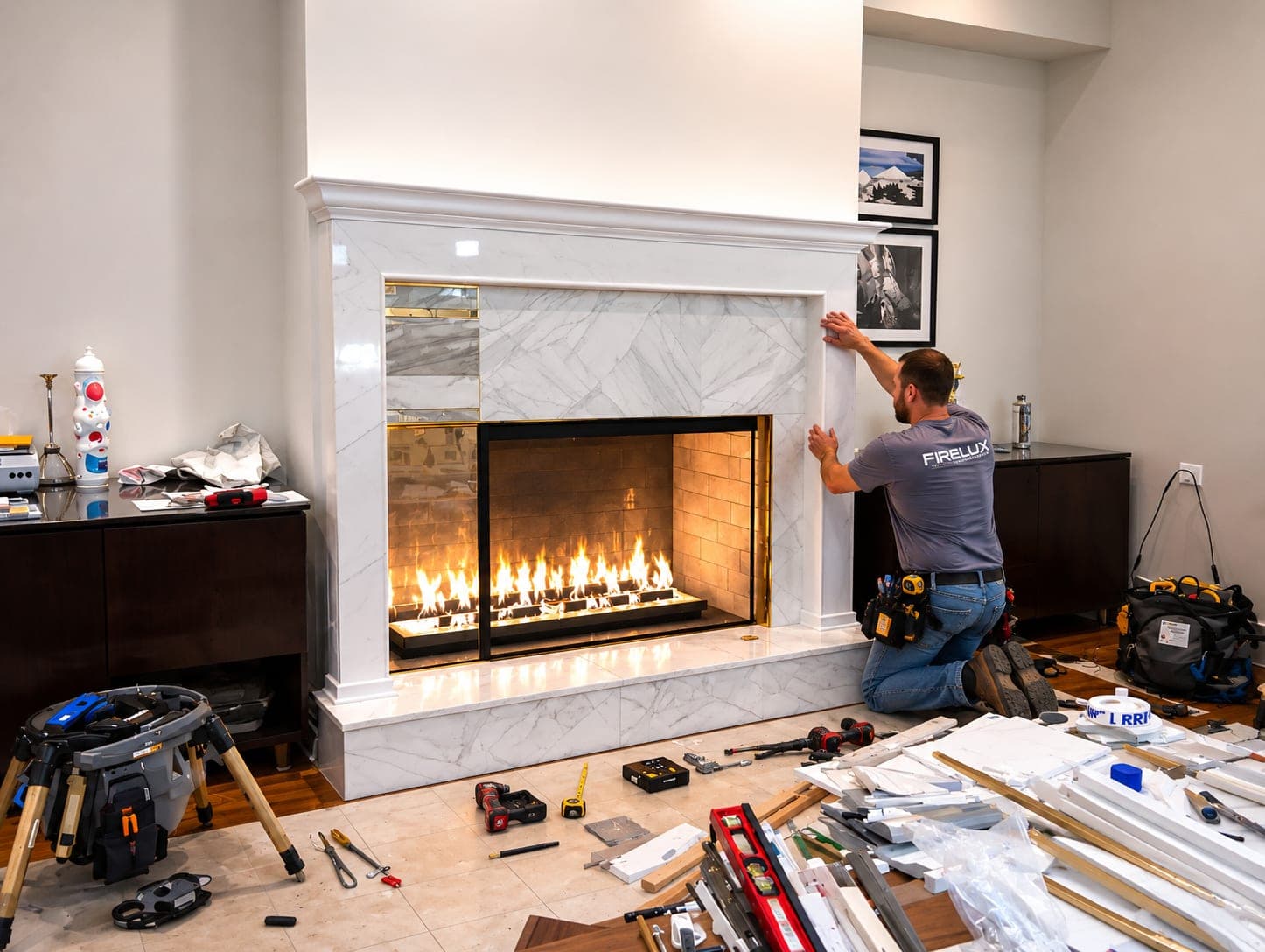
- The unit itself. A factory-built zero-clearance wood fireplace, an insert for an existing masonry opening and a site-built masonry firebox each involve very different labor.
- The chimney. Relining a sound existing flue is usually simpler than running a new chimney system through ceilings and the roof, or building an exterior chase.
- Floor and wall protection. Hearth extensions and clearances to framing and mantels come straight from the manufacturer's manual and can't be skipped.
- What we find. If an existing chimney needs crown, liner or masonry work before it can safely serve a new fireplace, that work becomes part of the scope.
Still weighing fuel types? Our gas vs. wood fireplace comparison covers running costs and upkeep. The efficient fireplace guide explains why closed wood units heat a room far better than an open hearth.
New installs in East Hartford and Bridgeport
New wood fireplace installation in East Hartford
For a new wood fireplace installation in East Hartford, the first visit is about the room. We look at where the unit can sit, how the chimney will exit and what has to be framed or protected. You get layout options to talk through, not a single take-it-or-leave-it plan.
Wood fireplace installation in Bridgeport
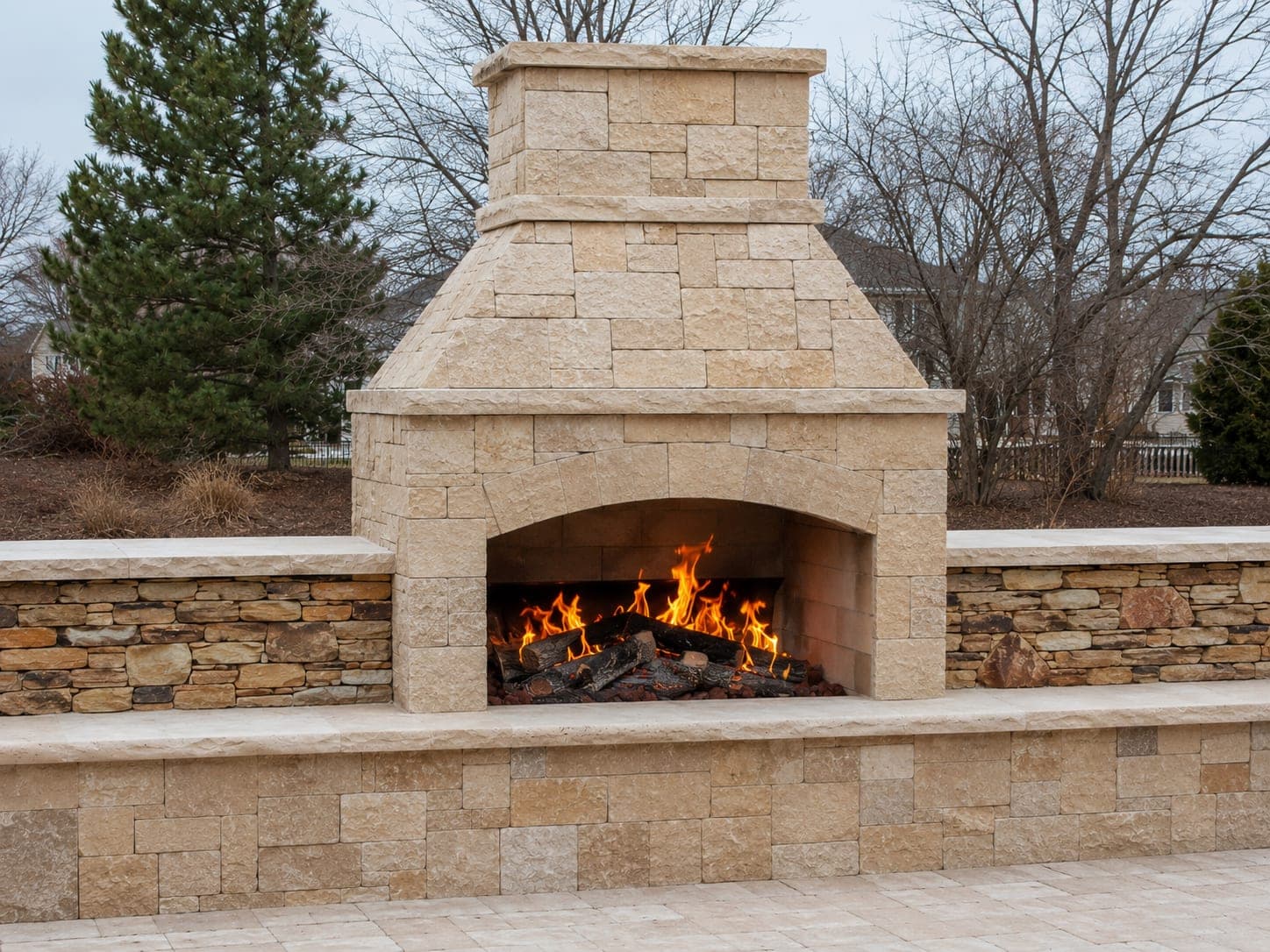
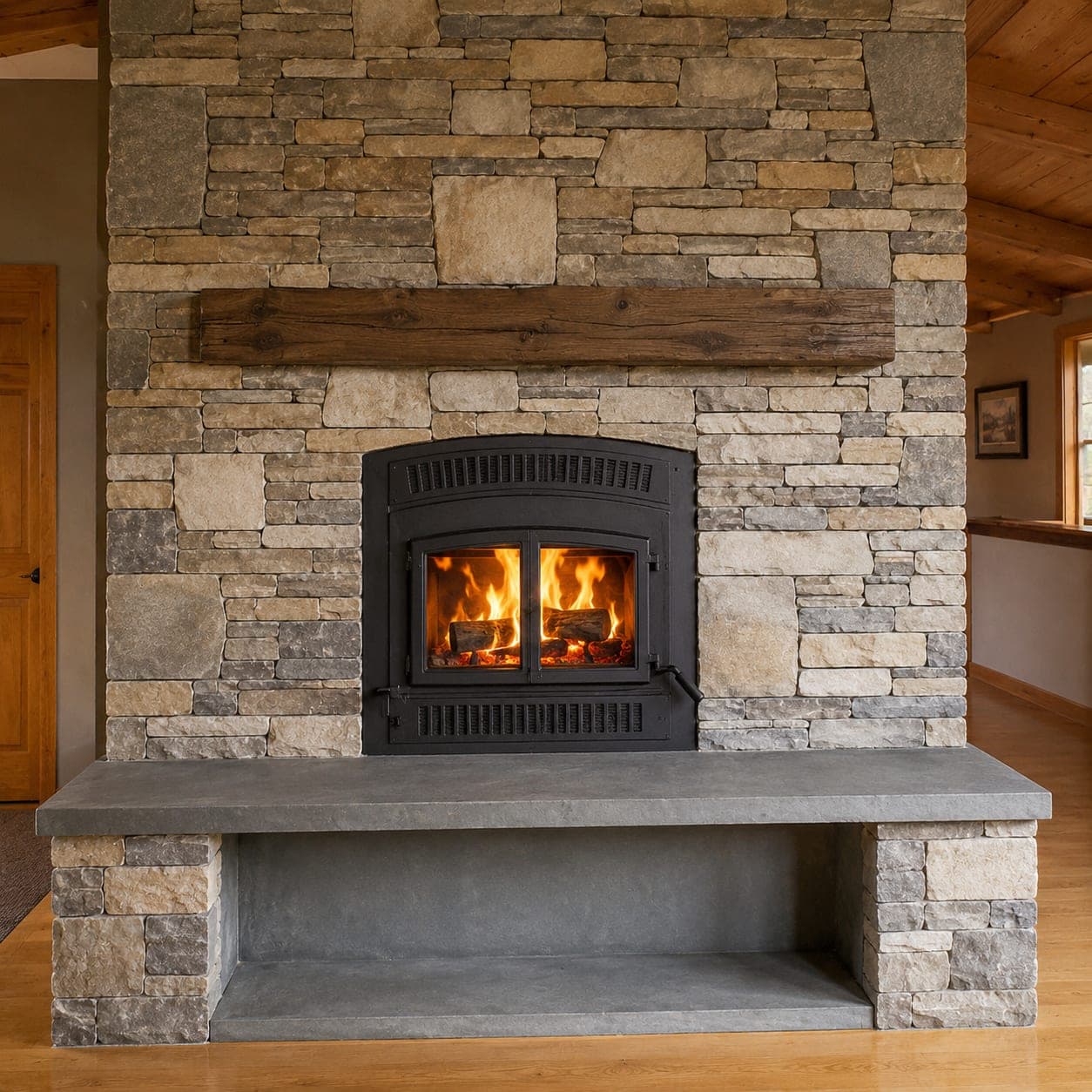
In Bridgeport, as anywhere in Connecticut, the big early choice is between an open, traditional wood fireplace installation and a closed, heat-focused unit. The answer depends on how you'll use it, for occasional ambiance or for regular heat. If gas is still on the table, read gas vs. wood: which is for you before the estimate.
What happens during the visit
Venting must match the appliance's listing or it won't draft or pass inspection. Clearances to combustibles are set by the manufacturer and the building code.
Look at the space
The opening, wall or chase, the chimney and the fuel available are checked.
Choose the unit
Size, fuel and style are matched to the room and the venting.
Install
The unit and its venting are installed to the manufacturer's instructions and local code.
Test
The unit is fired and checked, and you're shown how to use it.
How to prepare
- Write down what you've noticed and when it happens — smells, smoke, sounds or stains.
- Move rugs, photos and anything fragile away from the work area.
- Let the fireplace or stove cool completely — ideally no fire for 24 hours before the visit.
- Make sure the technician can reach the roof or attic access if it's needed.
What gets checked
- Hearth extension and protection
- Required clearances to combustibles
- Permit requirements
- Vent or liner route and length
- Opening or framing dimensions
Carbon monoxide
A blocked or damaged flue can push carbon monoxide into the home. If an alarm sounds or anyone feels dizzy or sick near the fireplace, get everyone outside and call 911.
When to book fireplace installation
- A remodel that adds or moves a fireplace
- A damaged factory-built unit past repair
- A worn-out insert or stove
- An open fireplace that sends most of its heat up the chimney