On this page
What fireplace construction entails
| Component | Its job | Where problems start |
|---|---|---|
| Hearth and extension | Protects the floor in front of the fire | Extension too short for the opening |
| Firebox | Contains the fire and its heat | Ordinary brick or mortar used instead of heat-rated materials |
| Damper | Opens for smoke, closes against drafts | Poor fit or a hard-to-reach control |
| Smoke chamber | Funnels smoke from the firebox into the flue | Rough, stepped walls that slow draft |
| Flue and liner | Carries smoke and gases out of the house | Flue sized wrong for the opening |
| Crown and cap | Keep water, animals and debris out | Missing cap or a cracked crown |
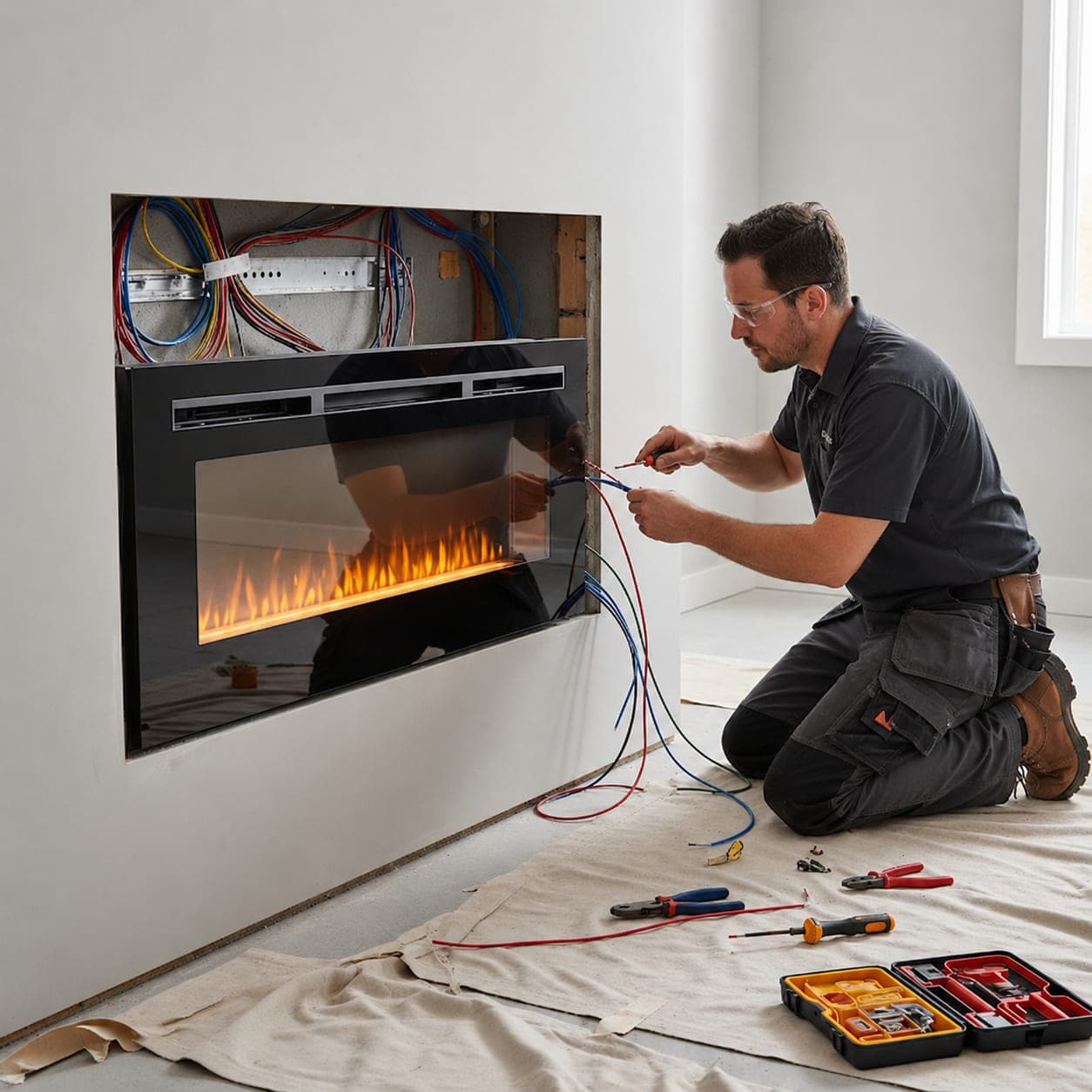
A weak spot at any level affects the whole system, which is why so many common chimney issues trace back to how a fireplace was put together. Proportions also decide how much heat reaches the room, as our page on an efficient fireplace explains.
Fireplace masonry construction vs. factory-built units
| Feature | Masonry fireplace | Factory-built (prefab) fireplace |
|---|---|---|
| How it's made | Brick, block and stone laid on site | A manufactured firebox with its own tested venting |
| Feel | Heavy, traditional, built into the house | Lighter, often framed into a wall or chase |
| Typical repairs | Firebox, smoke chamber, crown, tuckpointing | Refractory panels, chase cover, unit replacement |
How it's made
- Masonry fireplace
- Brick, block and stone laid on site
- Factory-built (prefab) fireplace
- A manufactured firebox with its own tested venting
Feel
- Masonry fireplace
- Heavy, traditional, built into the house
- Factory-built (prefab) fireplace
- Lighter, often framed into a wall or chase
Typical repairs
- Masonry fireplace
- Firebox, smoke chamber, crown, tuckpointing
- Factory-built (prefab) fireplace
- Refractory panels, chase cover, unit replacement
We work on both: firebox and smoke chamber repair, chimney masonry work and full chimney rebuilds on the masonry side, and prefab fireplace replacement and chase repair on the factory-built side.
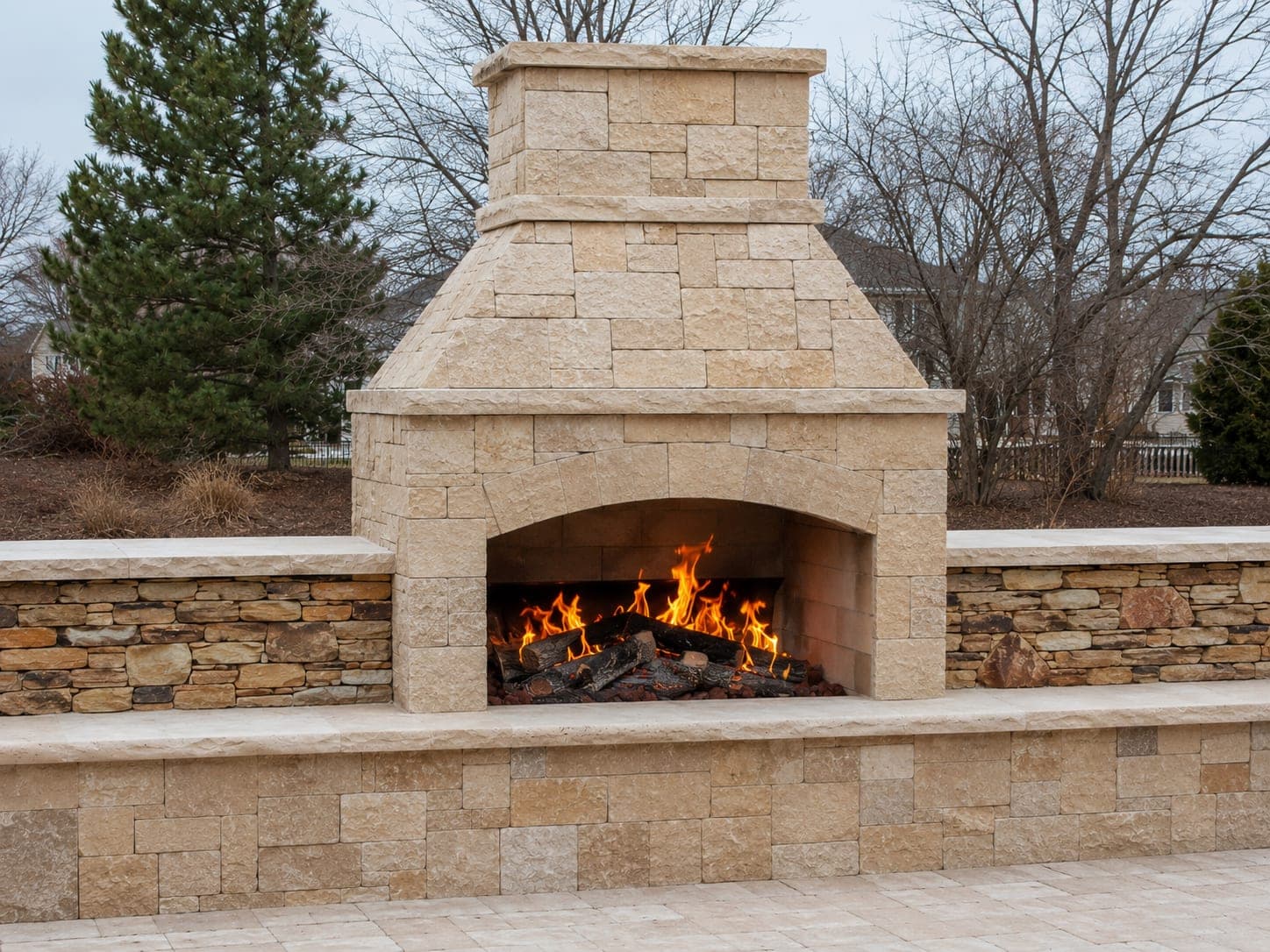
Outdoor fireplace construction
Outdoor fireplaces aren't among the services we offer. If you're planning one, the same layers apply, but every part is exposed to rain and freeze-thaw, so ask any builder how they'll protect the top and the masonry from water.
What our fireplace construction work covers
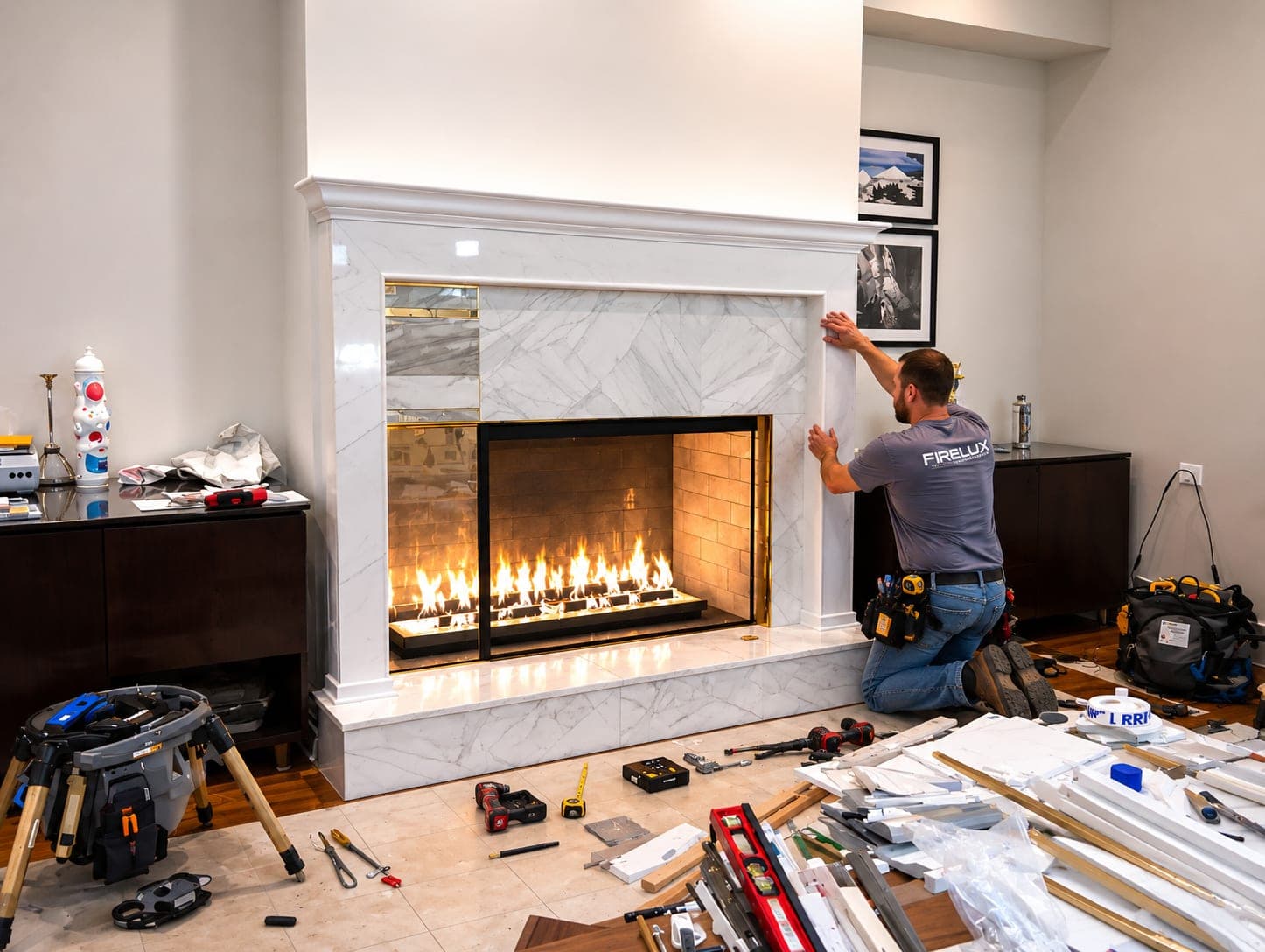
- Fireplace installation, including inserts and gas fireplaces
- Fireplace conversion from wood to gas
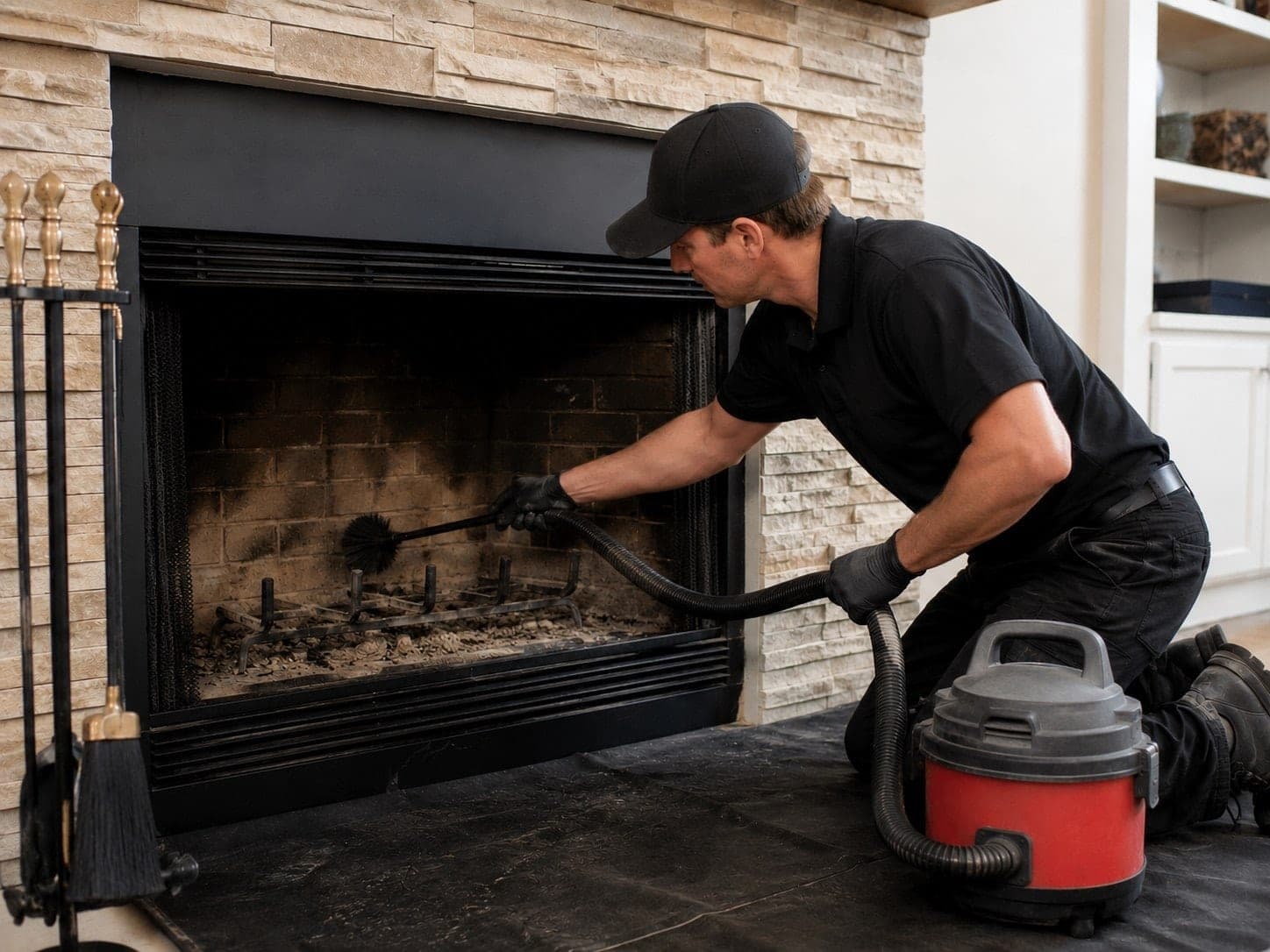
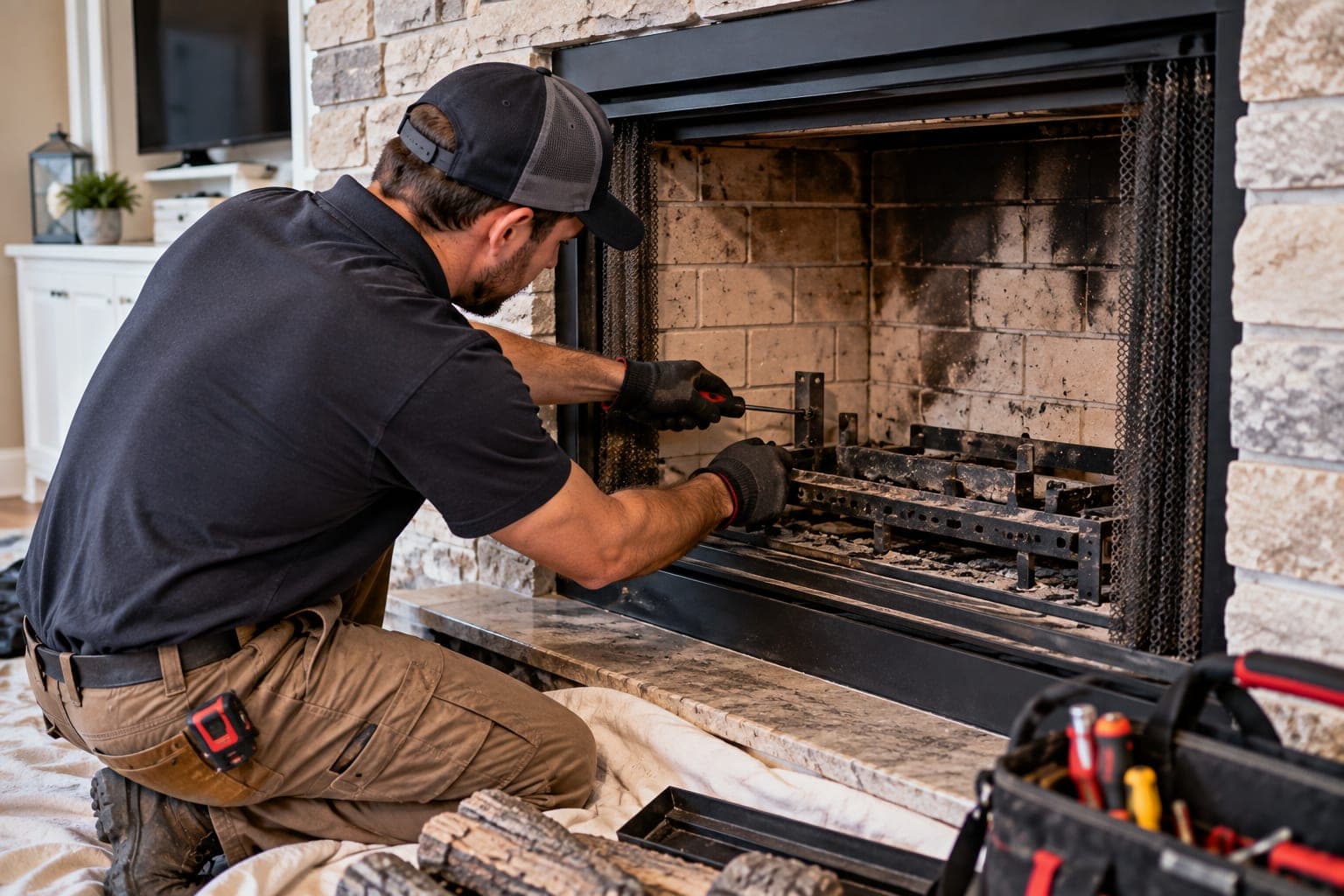
- Firebox repair and smoke chamber repair
- Chimney liner installation sized to the fireplace
- Chimney rebuild, crown repair and masonry repair
- Prefab fireplace replacement
If you're still deciding on a look, how custom fireplace design works is a good starting point, and our custom fireplace service page covers more involved projects. Restoring an existing marble surround instead? See how classic marble fireplace renovation works. Estimates are free anywhere we work in Connecticut.
What happens during the visit
A fireplace draws well only when the opening, the smoke chamber and the flue are sized to each other. The firebox is laid in firebrick and refractory mortar; the hearth and clearances to wood trim are set by the building code.
Design
The opening size, materials and look, matched to the room and to a flue that can serve it.
Plan
Footing, clearances to framing, hearth extension and permits are worked out first.
Build
Firebox, smoke chamber, damper, hearth and the chimney are built in sequence.
Cure and test
The masonry cures, then small fires come first and the draw is checked.
What gets checked
- Damper type
- Footing and chimney support
- Opening size against the flue
- Firebox depth and firebrick
- Smoke chamber shape
- Permit requirements
Signs to watch for
- An old fireplace with a firebox or smoke chamber past repair
- A wish to change the look of the fireplace and its surround
- A new fireplace planned in a remodel or addition
- A fireplace that has never drawn well
Clearances and curing
Wood trim, mantels and framing must keep the code clearances to the opening, and new masonry needs its full cure time before regular fires.
Getting ready for the visit
- Note where the chimney can run and any existing flue.
- Ask your town about permits for new fireplaces.
- Gather photos of fireplaces you like and the room's measurements.