On this page
Why stoves are popular among homeowners
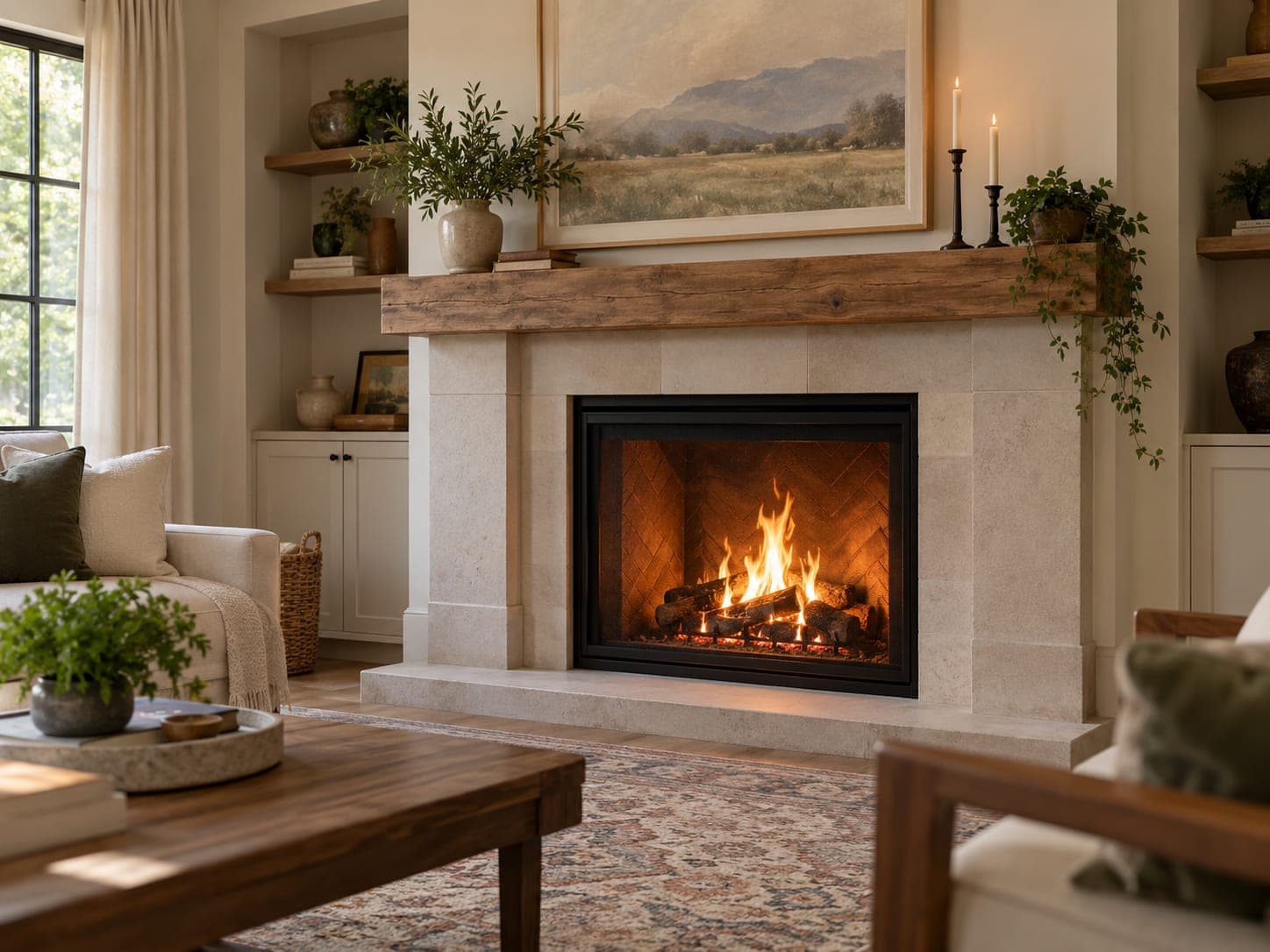
An open fireplace is pleasant to sit by, but it pulls a lot of warm room air up the chimney. A stove or insert closes the fire behind a door and controls how much air feeds it, so more heat stays in the room. That's why so many homeowners with a drafty masonry fireplace end up looking at stoves and inserts.
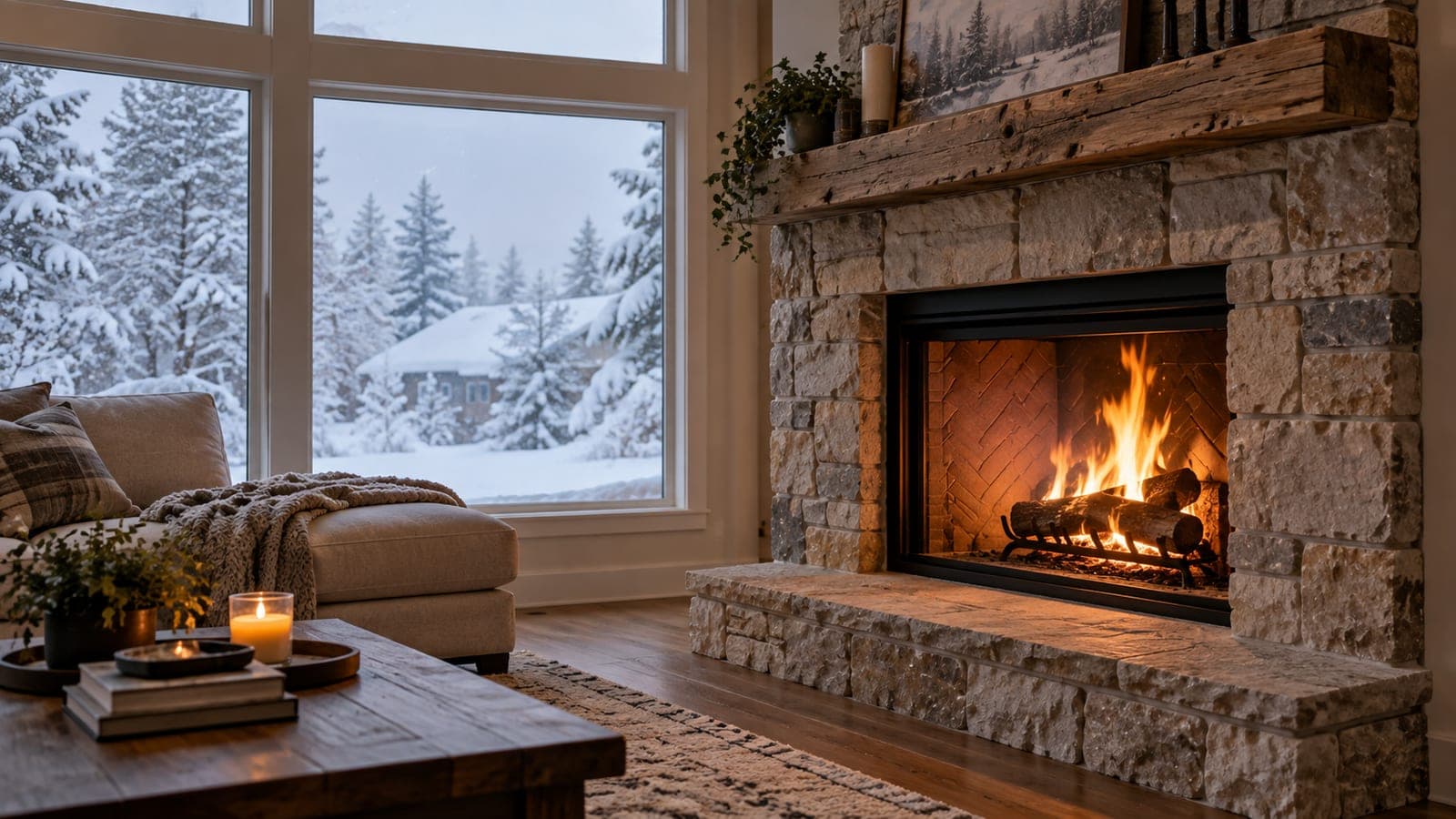
The main difference is where they sit. An insert slides into an existing firebox and vents up the chimney through a liner. A freestanding stove sits on a hearth and connects with stovepipe. Our walk-through of fireplace anatomy explains the parts involved.
Efficient, beautiful stoves and inserts
Cast iron, enameled finishes and wide glass doors draw people in, and a well-built unit can be both handsome and efficient. Keep in mind that looks are only the outside. Efficiency comes from combustion design, tight door seals and a size that suits the room. If you'd rather not handle cordwood, our pellet stove basics cover another option.
High-efficiency stoves and inserts by fuel
Modern certified wood units burn their smoke a second time inside the firebox. That means more heat from each load and less creosote in the flue. Gas and electric inserts trade wood-handling for convenience.
| Type | Venting | Ongoing care |
|---|---|---|
| Wood | A properly sized liner running the full height of the chimney | Regular cleaning of the insert, liner and flue |
| Gas | Sealed direct-vent liners that bring in outside air and carry exhaust out | Periodic service of the burner, glass and controls |
| Electric | No flue needed | Keeping the heater and its air openings clear |
We install inserts and the liners they depend on. Compare wood stove and insert options, gas fireplace inserts and electric inserts that need no venting.
Durable heating stoves and inserts
How long a unit lasts comes down to its wear parts: firebrick, baffles, door gaskets and glass. Burning dry, seasoned wood and avoiding overfiring keeps those parts in shape longer. Worn gaskets let in extra air, which makes a stove burn hot and fast and wastes fuel.
Keeping stoves heating through the end of winter
A stove that runs every day can build creosote faster than an occasional fire in an open hearth. For Connecticut homes that lean on a stove all season, watch for these signs:
- Glass that blackens quickly
- Smoke slipping out when you open the door
- A fire that's hard to keep going
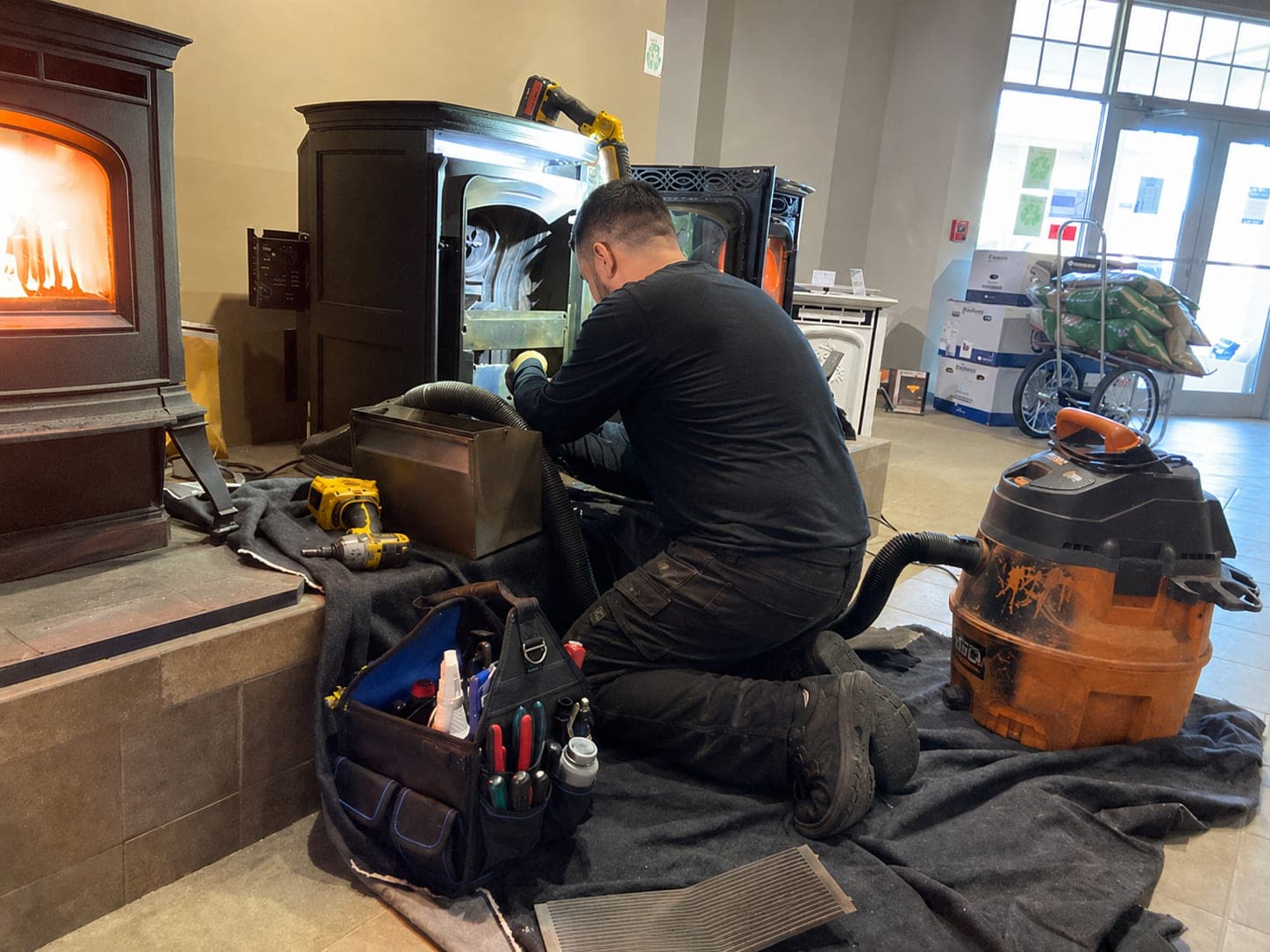
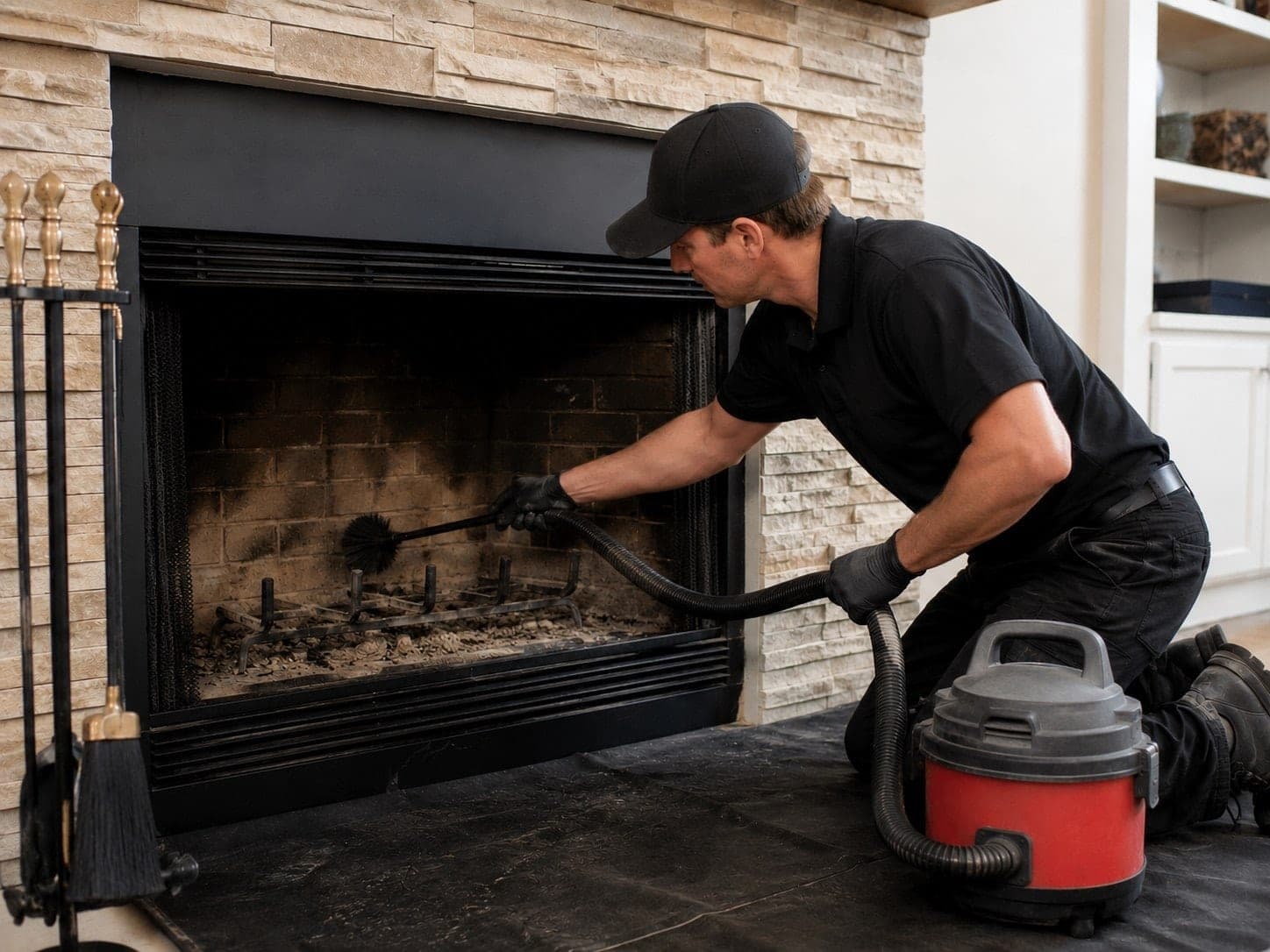
Any of these is a reason to book wood stove cleaning or insert cleaning before the season wraps up, not after. We accept emergency calls and are available 24 hours, Sunday through Friday. Same-day service is offered when the schedule allows, and estimates are free.