On this page
What a proper dryer vent installation looks like
Installing a dryer vent isn't complicated, but small shortcuts add up. The goal is to move hot, damp, lint-heavy air outdoors along the shortest, smoothest path the house allows. We build around these details whether we're replacing a failing run or adding a new one because the laundry is moving:
- Rigid metal duct through walls, floors and ceilings, not plastic or thin foil that sags and traps lint
- As few elbows as possible, since each bend reduces how far the dryer can push air
- Joints sealed with foil tape, not screws that poke into the duct and snag lint
- A short, uncrushed transition between the dryer and the wall
- A proper exterior termination with a flap that opens freely and no screen to catch lint, on a wall or the roof
The dryer's installation manual sets the maximum vent length for that model, and we work within it. If part of an older run stays in place, a dryer vent camera inspection can show what's inside the sections you can't see.
What happens during the visit
A restricted vent makes the dryer run longer and wear out sooner. Birds and debris can block the outside hood completely.
Look
Length, bends and condition of the vent.
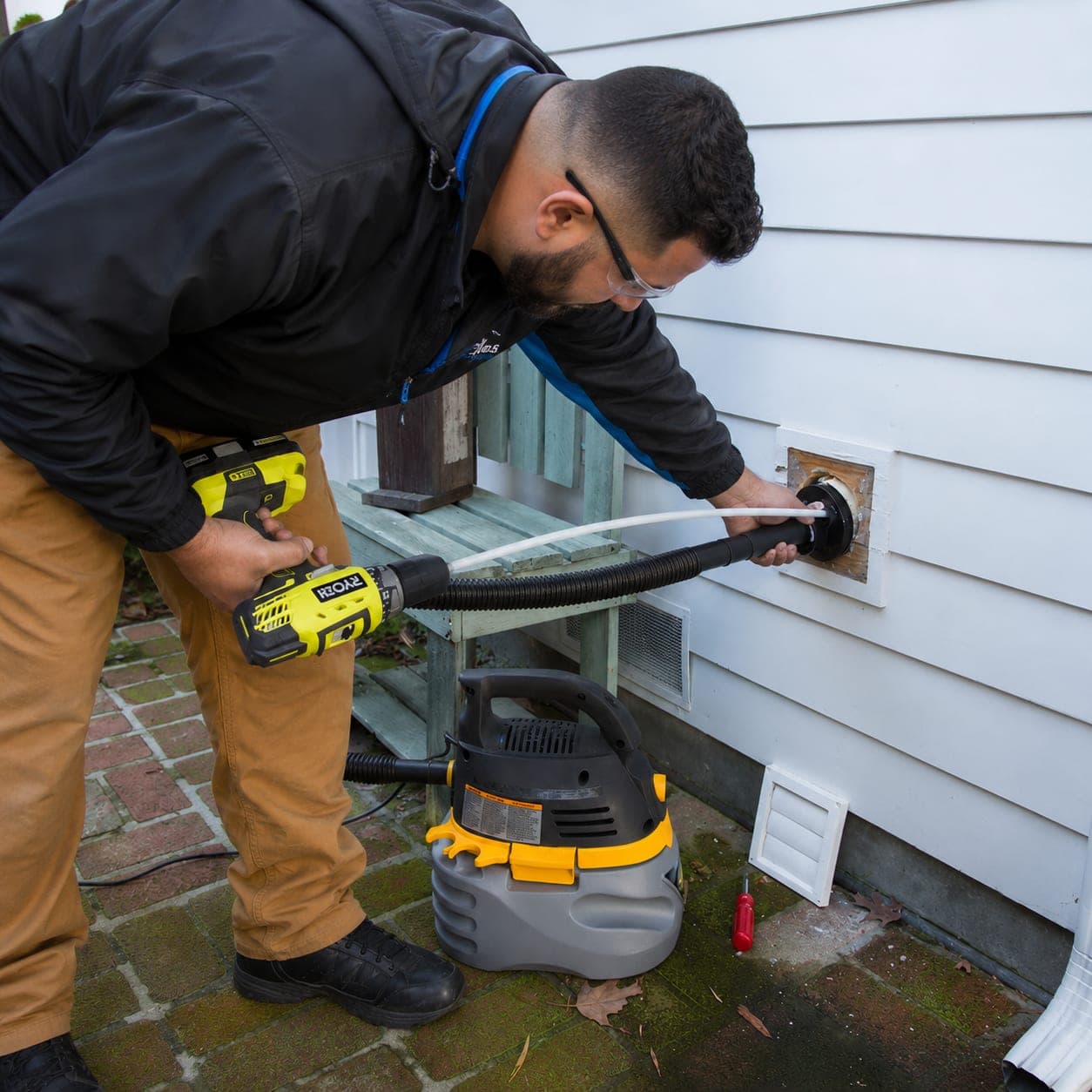
Clean end to end
From the dryer connection to the outside.
Fix small problems
Crushed connectors and loose joints are pointed out or replaced.
Confirm airflow
A final check with the dryer running.
Burning smell?
If you smell burning while the dryer runs, turn it off and unplug it until the vent is checked.
How to prepare
- Make sure the outside vent hood can be reached.
- If the dryer isn't overheating or smelling of burning, you can run an empty load first to compare airflow before and after.
- Clear space around the dryer so it can be pulled out.
When to book dryer vent cleaning
- The outside flap barely opens when the dryer is on
- The dryer or laundry room gets very hot
- Clothes take two cycles to dry
- A burning smell when the dryer runs
- Lint around the outside vent hood or behind the dryer
What gets checked
- Outside hood, flap and screen
- Joints and foil tape
- Connector behind the dryer
- Vent length and number of bends
- Airflow at the outside hood
- Crushed or kinked sections
Chimneys, air vents and dryer exhaust: Keep them separate
Because we work on chimneys as well as dryer vents, people ask whether a dryer can exhaust into an unused chimney flue or a chimney air vent. It shouldn't, for three reasons:
- Lint collects on rough masonry.
- Damp exhaust soaks into brick and mortar.
- A flue shared with a furnace or water heater can have its draft disrupted.
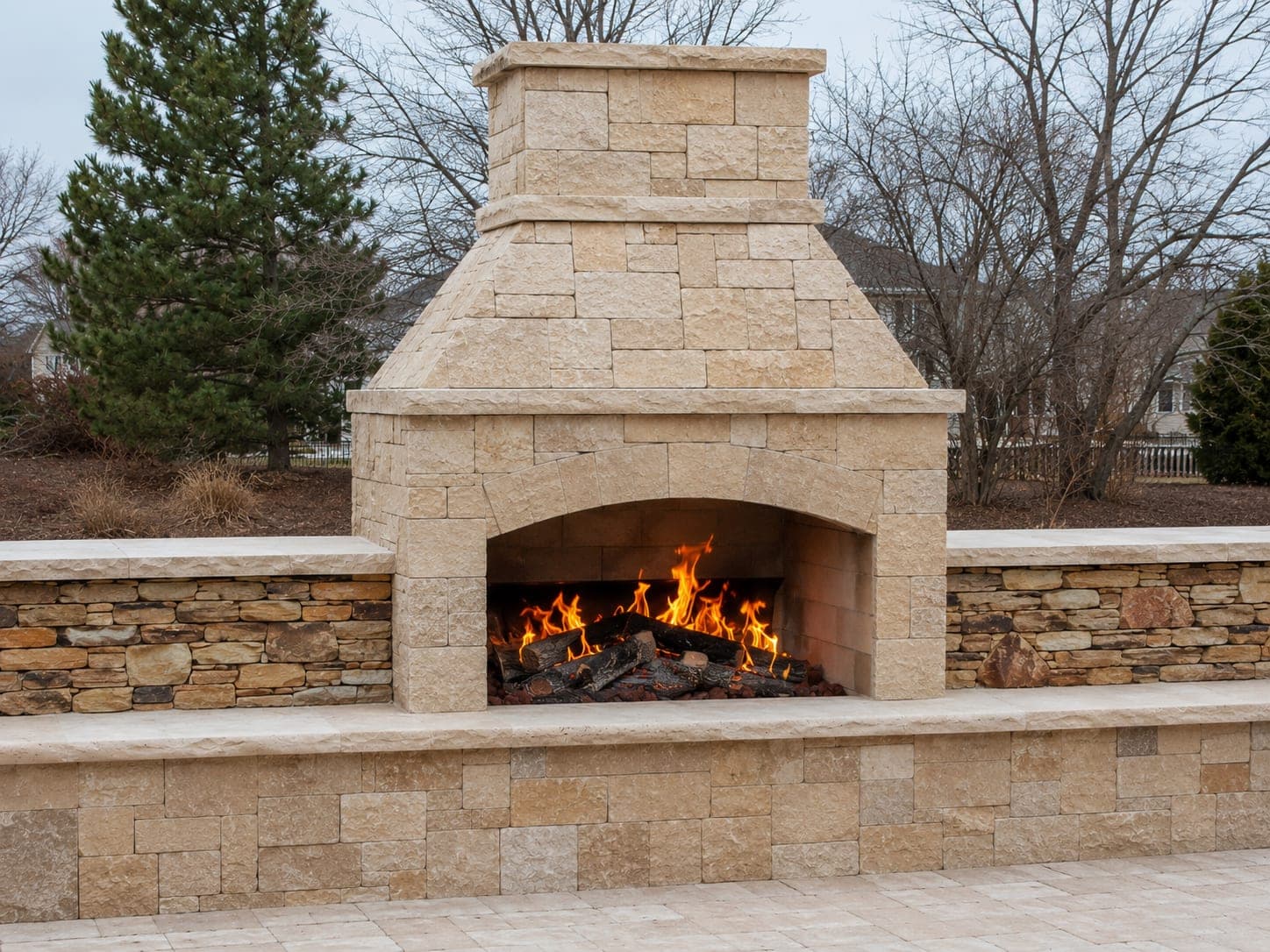
If a dryer has been tied into a chimney, we can reroute it to its own exterior exit. We then handle the chimney separately with a cap or animal screen, so the unused flue stays closed to weather and wildlife.
Long runs and dryer vent booster fans
In some layouts, the laundry sits deep inside the house and the vent run is longer than the dryer is rated for. Some people handle that with a dryer vent booster fan, a powered fan mounted in the duct that helps push air the rest of the way. A booster fan needs its own wiring, placement and upkeep, and it doesn't fix a run that is simply routed badly.
Before going that direction, check whether the run can be shortened. Our rerouting and relocation work can:
- Move the exit to a closer wall or the roof
- Remove unnecessary elbows
- Replace crushed sections
Together, these changes can bring a run back within the dryer's limits. Multi-unit buildings with long shared runs are covered under commercial dryer vent cleaning. Once your new vent is in, keep it clear with our air duct dryer vent cleaning service.