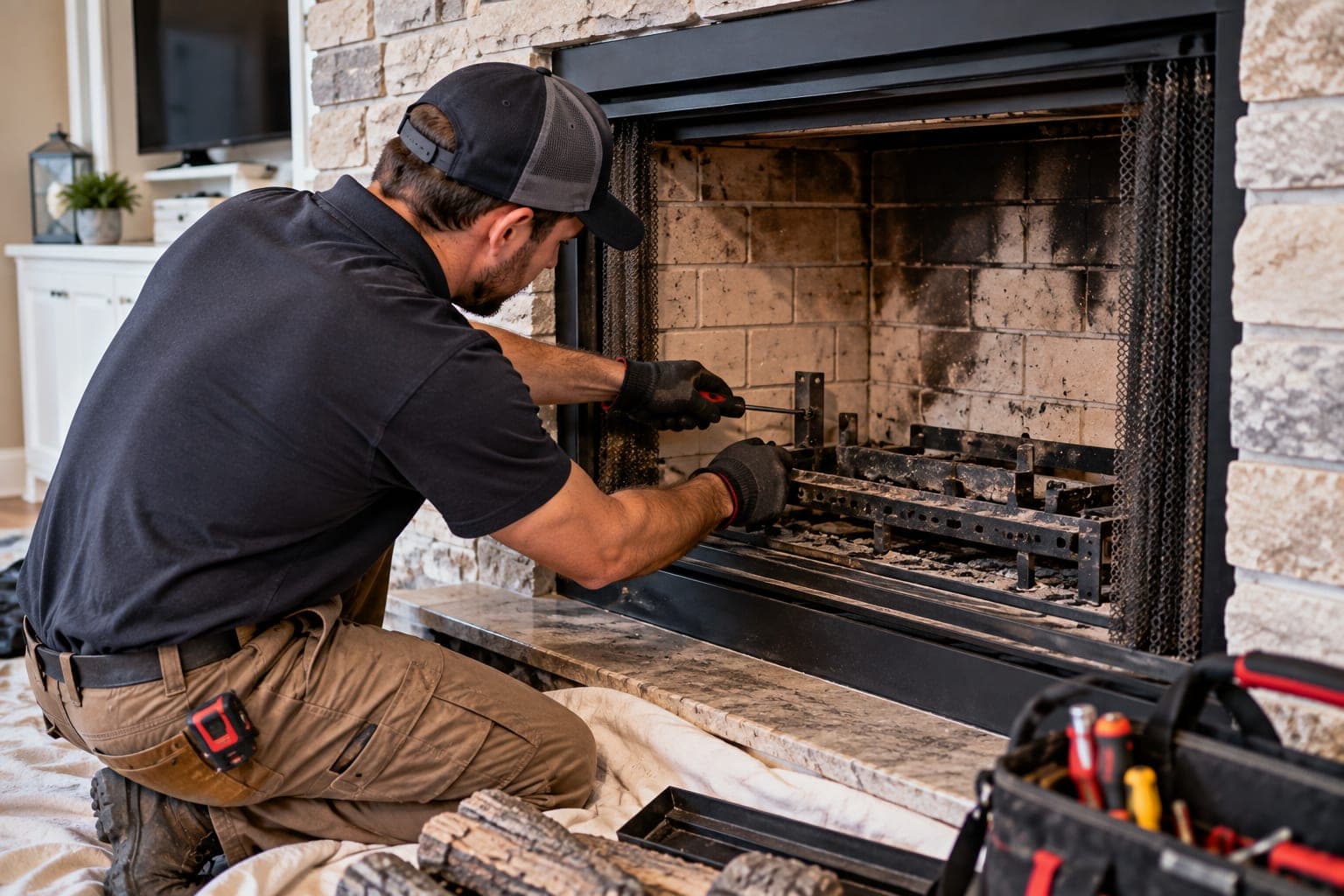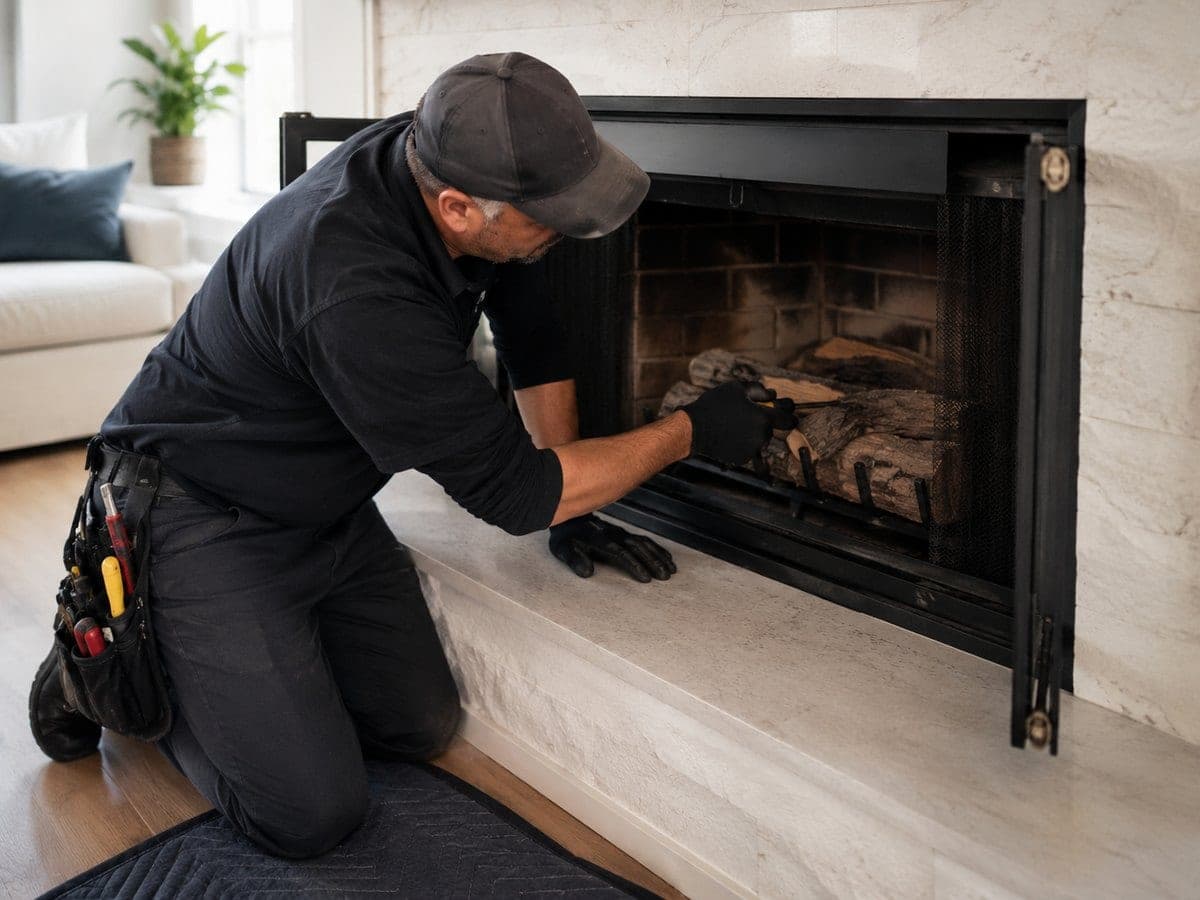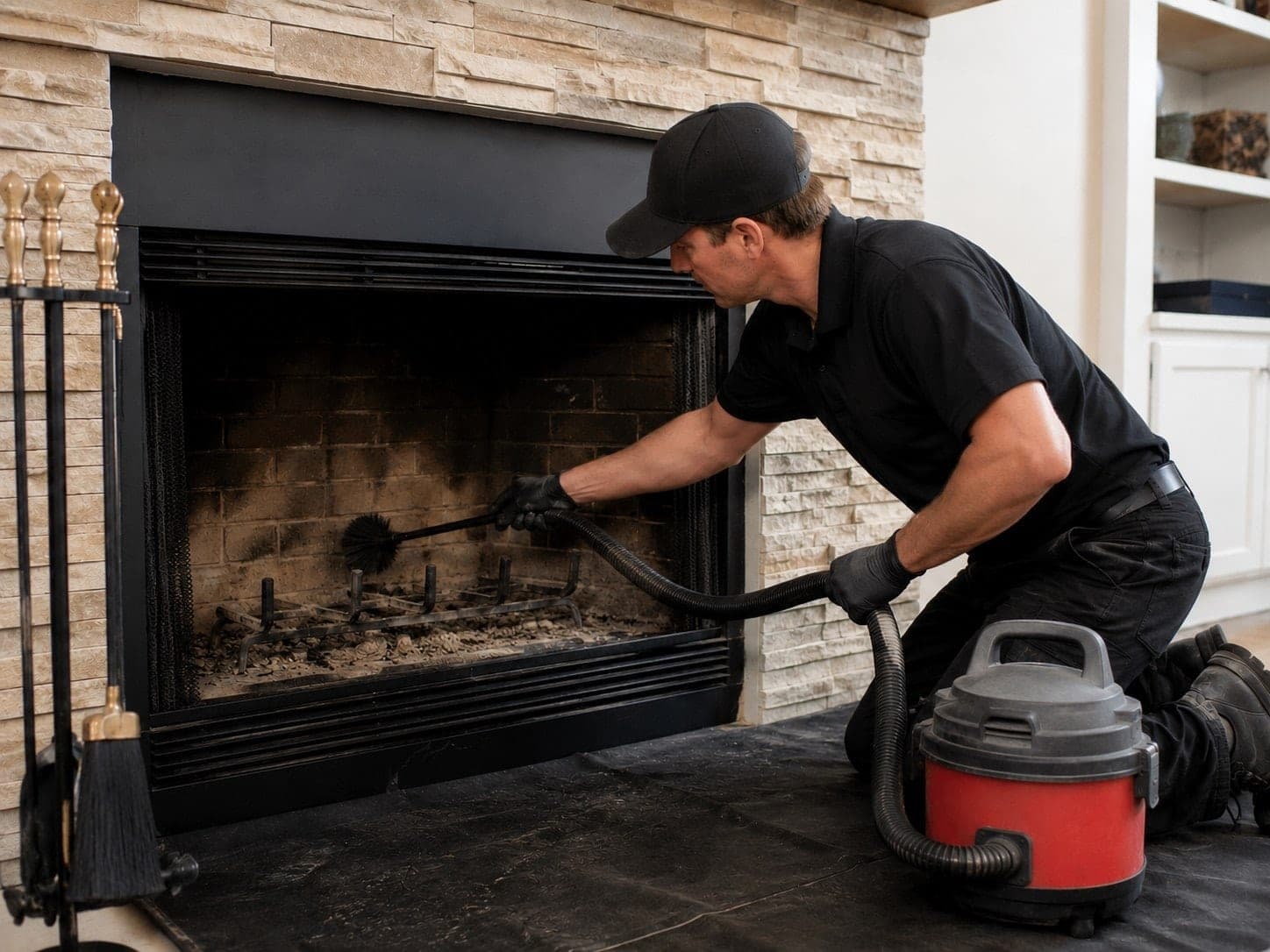
An efficient fireplace turns more of its fuel into heat you can feel and sends less of it up the chimney as wasted warmth and smoke. A traditional open masonry fireplace is usually the least efficient way to burn wood. It needs a lot of air to keep smoke moving up the flue, and much of that air is warm air pulled from your living space. The good news is that efficiency is not all or nothing. Dry fuel, a clean flue, a working damper and the right equipment each make a real difference.
Benefits of an efficient fireplace
Efficiency affects more than comfort. When a fire burns hot and clean, several problems shrink together:
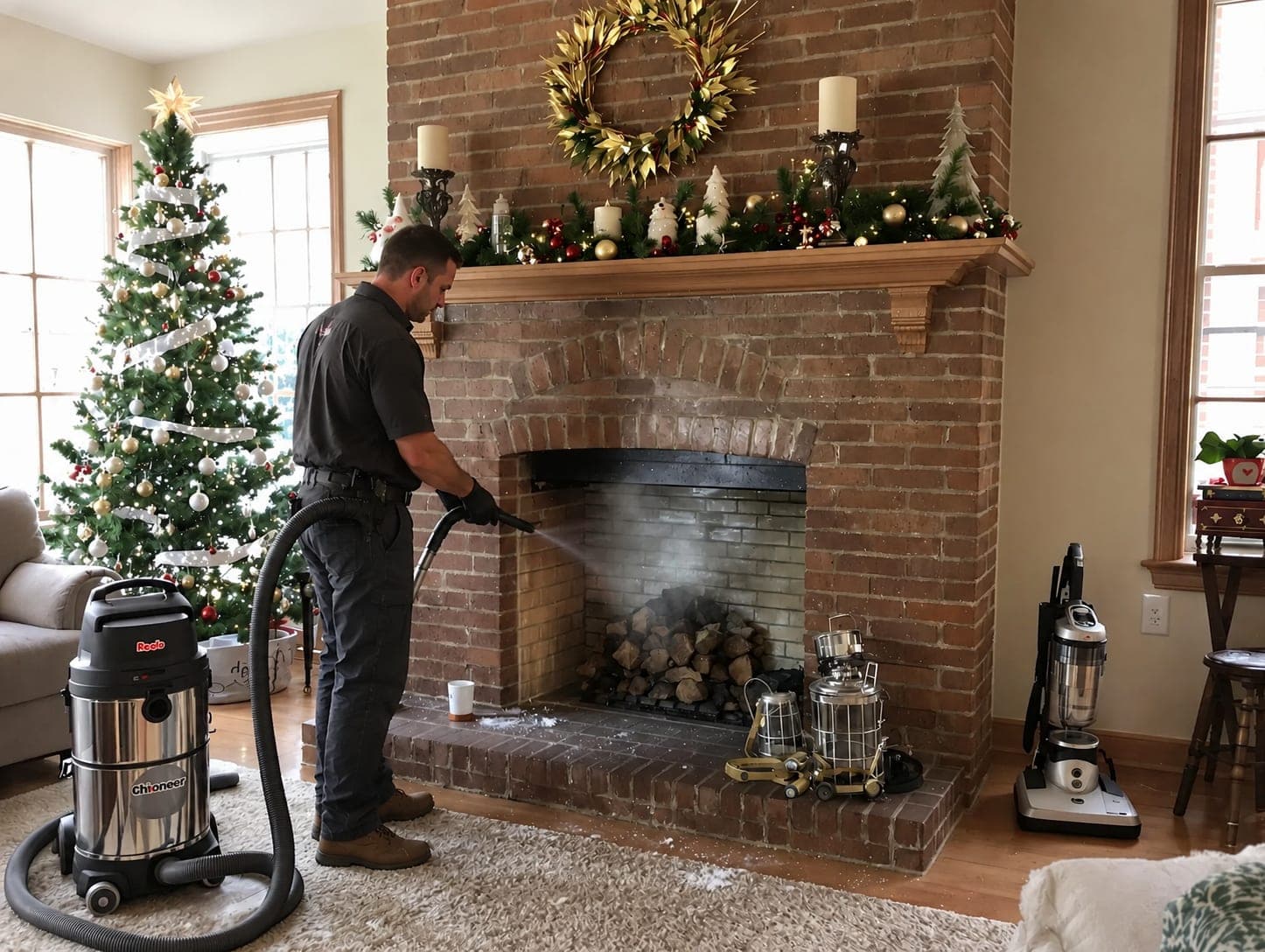
- More usable heat: more of the warmth stays in the room instead of rising up the chimney.
- Less fuel: a well-burning fire needs fewer logs for the same comfort.
- Less creosote: hot, complete combustion leaves fewer tar-like deposits in the flue, which lowers the risk of a chimney fire.
- Less smoke indoors and out: good draft and dry wood mean less smoke rolling back into the room and less smoke from the chimney top.
- Fewer cold drafts: a sealed damper or glass doors stop heated air from escaping when the fire is out.
Why open fireplaces waste so much heat
A fireplace works as a system. The firebox, damper, smoke chamber and flue all have to work together to create draft, which is the upward pull that carries smoke out. If you want to see how those parts connect, read our guide to fireplace anatomy first. In an open fireplace, that draft pulls in far more room air than the fire needs for combustion. Your furnace may then run harder to replace the warm air the fireplace sent outside. Most of the heat you feel comes as radiant heat from the flames and hot brick, so it reaches only the area right in front of the hearth.
Damage inside the system makes this worse. A rough or crumbling smoke chamber slows smoke and encourages buildup, so fixing a broken fireplace smoke chamber can improve draft as well as safety. Gaps in the firebox let heat escape into the masonry and can let heat reach parts of the structure it should not. Learn what causes cracked fireplace brick before small cracks turn into bigger repairs.
Inserts and stoves sit in the fireplace and are much more efficient
A fireplace insert is a closed firebox that fits inside your existing fireplace opening. It has a sealed door, controlled air intake, and usually a liner that runs up the chimney. Because it burns with a set amount of air behind glass, it does not pull large amounts of room air up the flue. Many inserts also have a blower that moves warm air into the room. Freestanding wood stoves work on the same closed-combustion idea.
| Feature | Open wood fireplace | Wood insert or stove |
|---|---|---|
| How heat reaches you | Mostly radiant, close to the hearth | Radiant plus convection, often with a blower |
| Room air lost up the chimney | High | Low, combustion air is controlled |
| Fuel handling | Split, store and season wood | Split, store and season wood |
| Ongoing upkeep | Regular sweeping and inspection | Regular sweeping, gasket and glass care |
| Ambiance | Classic crackling fire | Real flame behind glass |
How heat reaches you
- Open wood fireplace
- Mostly radiant, close to the hearth
- Wood insert or stove
- Radiant plus convection, often with a blower
Room air lost up the chimney
- Open wood fireplace
- High
- Wood insert or stove
- Low, combustion air is controlled
Fuel handling
- Open wood fireplace
- Split, store and season wood
- Wood insert or stove
- Split, store and season wood
Ongoing upkeep
- Open wood fireplace
- Regular sweeping and inspection
- Wood insert or stove
- Regular sweeping, gasket and glass care
Ambiance
- Open wood fireplace
- Classic crackling fire
- Wood insert or stove
- Real flame behind glass
Efficient fireplaces start with fuel and Fire-Building
Before you spend money on equipment, check your habits. Wet wood is the most common reason a fire smolders, smokes and coats the flue with creosote. Much of its energy goes into boiling off water instead of heating your home.
Building a hotter, cleaner fire
Use seasoned hardwood
Split wood and let it dry under cover, off the ground, with airflow on the sides. Seasoned wood is lighter, often has cracks in the ends, and makes a sharp knock when two pieces are struck together. An inexpensive moisture meter takes the guesswork out.
Open the damper fully first
Check that the damper is open before you light anything. A partly closed damper is a common cause of smoke rolling into the room.
Warm the flue
In a cold chimney, hold a lit roll of newspaper toward the damper for a moment to start the upward draft.
Build top-down or with plenty of kindling
Larger logs on the bottom, smaller pieces and kindling above, tinder on top. This method lights cleanly and smokes less.
Burn smaller, hotter fires
A few pieces burning briskly beat an overloaded, smoldering firebox. Never burn trash, cardboard boxes or treated lumber.
Ensuring efficient fireplace operation through the season
Efficient fireplace operation depends on the parts you don't see during a fire. Use this checklist each season:
Keeping your fireplace efficient
- Have the chimney swept when deposits build up, and have it inspected once a year.
- Check that the damper opens fully and closes snugly; a warped or rusted damper leaks heat all year.
- Look for cracked firebrick, loose mortar joints or damaged refractory panels.
- Inspect glass doors and gaskets on inserts and stoves; worn gaskets let in extra air and make burns harder to control.
- Make sure the chimney cap is in place so rain, debris and animals don't block the flue.
- On heat-circulating and prefab units, vacuum the vents and listen for a noisy or failed blower.
- Close the damper or doors once the fire is fully out and the ashes are cold.
Never close the damper on live embers
Closing the damper while anything is still smoldering can push smoke and carbon monoxide into your home. Wait until the fire is completely out. Keep working carbon monoxide and smoke alarms on every level. Our fireplace safety guide covers this in more detail.
What keeps your fireplace efficient year after year
Efficient fireplace performance slips gradually, so it is easy to miss. Watch for these signs that something in the system needs attention:
- Fires are hard to start or keep going even with dry wood.
- Smoke spills into the room when you light a fire or open the doors.
- Glass on an insert or stove blackens quickly.
- A strong smoky or musty smell, especially in humid weather.
- Cold air pouring out of the fireplace when it isn't in use.
- A blower that rattles, cycles oddly or no longer runs.
Most of these trace back to draft problems, buildup in the flue, a damaged damper or worn parts. An inspection that includes the flue and smoke chamber usually shows which one it is.
Plan a safer, more efficient fireplace upgrade
If better habits and maintenance still leave you with a chilly room, an efficient fireplace upgrade may be worth it. Go through these questions before you choose:
Planning your upgrade
Start with an inspection
An insert is only as good as the chimney it vents into. Cracked flue tiles, a damaged crown or a failing smoke chamber should be dealt with first.
Decide what you want from it
Primary heat, supplemental heat or mainly ambiance? A wood insert suits people who enjoy handling firewood. Gas suits those who want convenience. Electric suits rooms where venting is impractical.
Match the venting to the appliance
Most wood and gas inserts need a properly sized liner. Electric units, such as those covered in our page on electric fireplace installation, need no venting but do need adequate electrical supply.
Consider repairing what you have
A good unit with a failed part may only need service. Before replacing anything, see how electric fireplace repair or wood stove and insert repair can restore performance.
Follow the manufacturer's instructions
Clearances, hearth protection and approved components are set by the manufacturer and local code. Skipping them can create a fire hazard.
Repair, insert or replace?
If the masonry is sound and you enjoy wood fires, an insert is often the biggest efficiency jump. If the firebox or flue has significant damage, repair it first or plan around it. For a prefab fireplace near the end of its life, a replacement unit or an insert designed for prefab openings may be the better path.
If you'd like a professional look at your fireplace before you decide, get in touch to request a free estimate.