On this page
Traditional fireplace installation, done for the right reasons
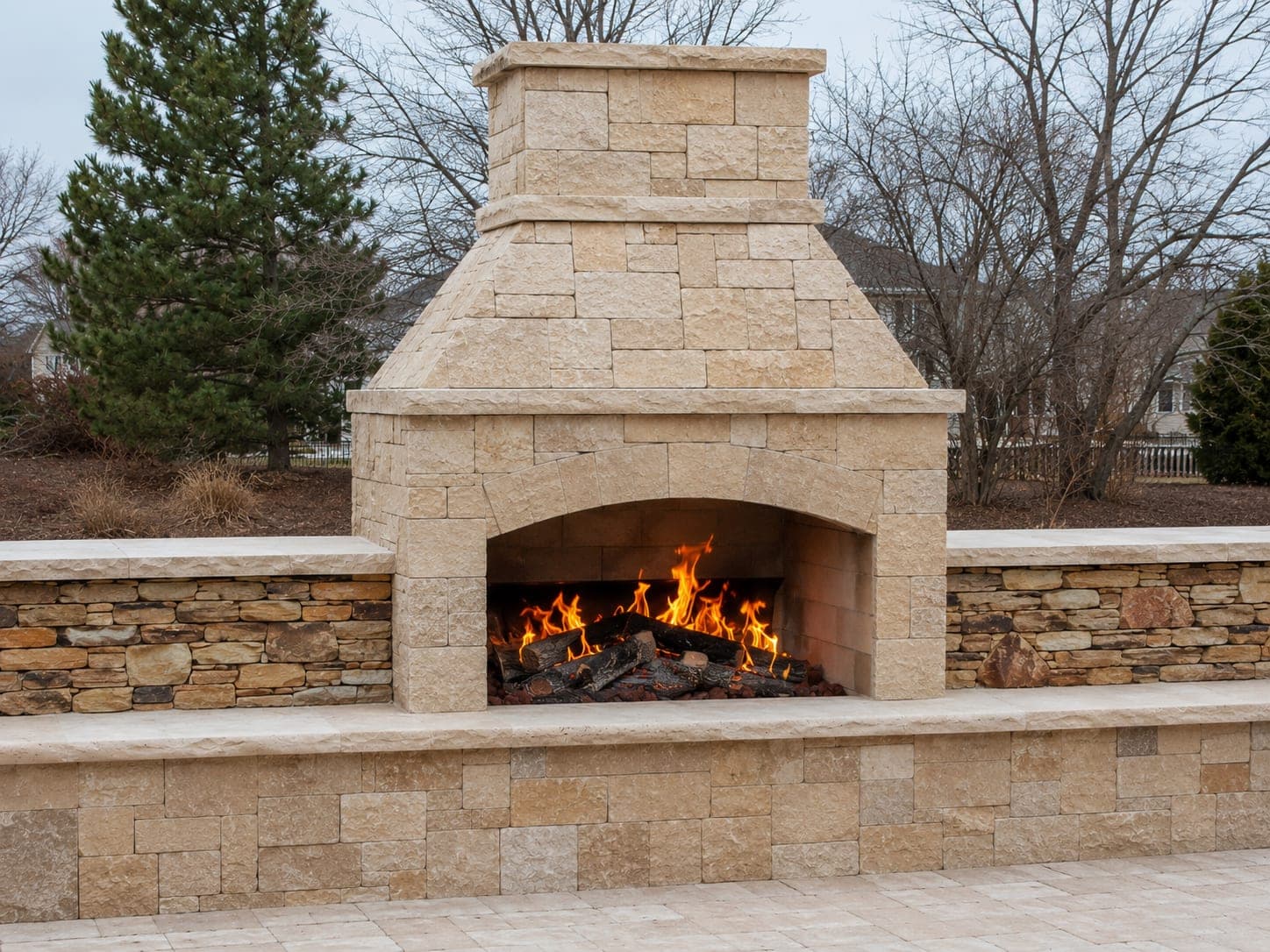
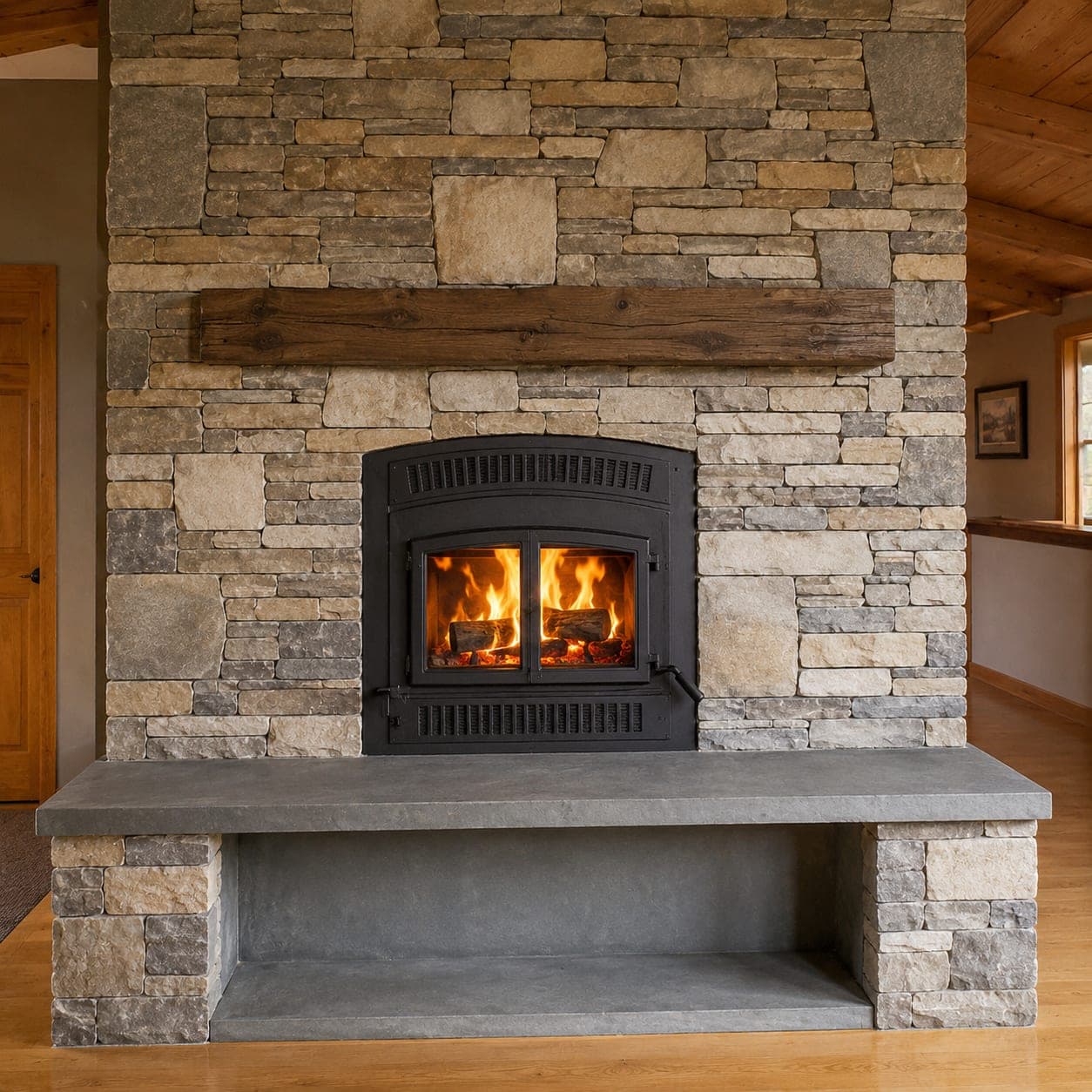
A traditional fireplace is an open firebox with a damper, smoke chamber and flue above it. It can be built from masonry or installed as a factory-built open unit. People choose it for the look and the experience, not for efficiency, and we think that's worth saying plainly before any work starts.
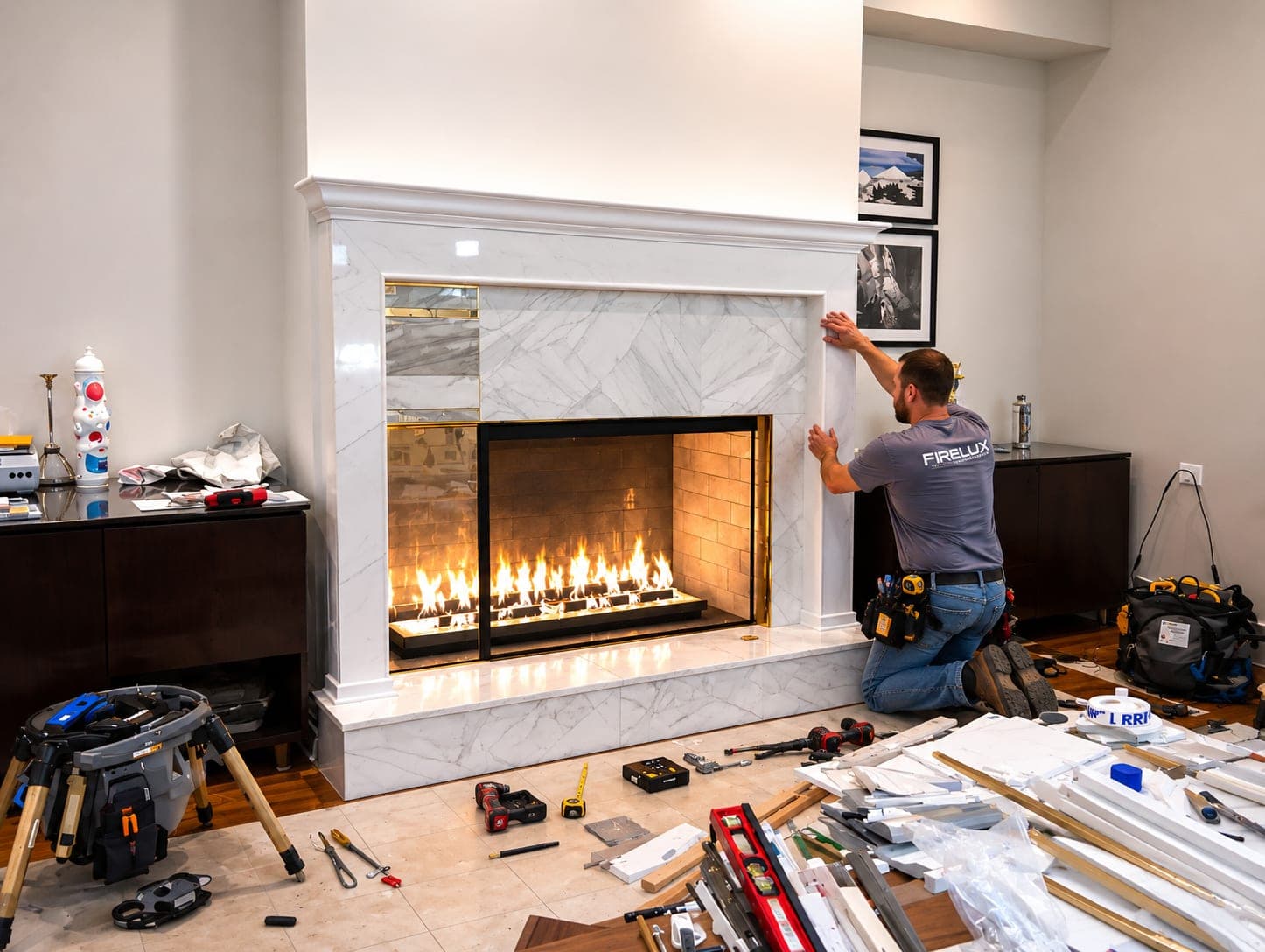
For traditional wood fireplace installation in Hartford, CT and across the state, we size the firebox to the flue so the fireplace drafts properly. We also set a hearth extension that protects the floor and fit a damper that truly closes. Our fireplace damper installation service covers the options, including top-sealing dampers. If you want a fire that actually heats, compare closed units through our wood fireplace installation service.
What the visit covers
Design choices — size, materials, a raised or flush hearth — have to fit the room and the chimney. A fireplace draws well only when the opening, the smoke chamber and the flue are sized to each other.
Design
The opening size, materials and look, matched to the room and to a flue that can serve it.
Plan
Footing, clearances to framing, hearth extension and permits are worked out first.
Build
Firebox, smoke chamber, damper, hearth and the chimney are built in sequence.
Cure and test
The masonry cures, then small fires come first and the draw is checked.
Clearances and curing
Wood trim, mantels and framing must keep the code clearances to the opening, and new masonry needs its full cure time before regular fires.
Signs it's time for traditional wood fireplace installation
- A fireplace that has never drawn well
- A wish to change the look of the fireplace and its surround
- An old fireplace with a firebox or smoke chamber past repair
- A new fireplace planned in a remodel or addition
Checked on every visit
- Hearth extension and clearances to trim
- Footing and chimney support
- Smoke chamber shape
- Opening size against the flue
- Firebox depth and firebrick
Getting ready for the visit
- Ask your town about permits for new fireplaces.
- Gather photos of fireplaces you like and the room's measurements.
- Note where the chimney can run and any existing flue.
The energy inefficiency of traditional fireplaces
An open fire needs a lot of air, and it takes that air from the room. Warm house air is drawn up the chimney along with the smoke. The area near the hearth feels warm while other rooms can cool off. After the fire dies down, an open or poorly sealing damper keeps letting heated air escape.
Ways to reduce the heat loss
- A tight-sealing damper, kept closed whenever the fireplace is cold
- Glass fireplace doors that limit how much room air the fire pulls. Check your fireplace's manual first: some glass doors must stay fully open while a fire burns.
- Dry, seasoned wood, so the fire burns hot instead of smoldering
- A closed insert later on, if heating becomes the priority
Our efficient fireplace guide goes deeper into how different designs compare.
When traditional fireplaces trigger allergies
Wood smoke contains fine particles and gases that can irritate airways. An open fireplace can spill a little smoke into the room. This is most likely while the fire is starting, when the draft is weak, or when an exhaust fan pulls air backward down the flue. Ash stirred up during cleanup adds to the load, and so does firewood stored indoors with mold spores on it.
Good design and habits reduce all of this. That means a correctly sized flue, a clean chimney, a firebox that suits its opening and firewood kept outside until you burn it.
Talk to your doctor first
If someone in your home has asthma or serious allergies, ask their doctor about wood smoke before you build an open hearth. A sealed unit may be a better fit. See gas vs. wood: which is for you, or read how electric fireplace installation works for a smoke-free option.