On this page
Ravelli group fireplace units and their common faults
Ravelli Group builds pellet-burning stoves and fireplace inserts, so a Ravelli fireplace behaves more like a small appliance than a traditional hearth. An auger feeds pellets from a hopper, an igniter lights them, fans move combustion air and room air, and a control board reads sensors to decide whether the fire may keep going. When one link in that chain falters, the unit usually shuts down or shows an error instead of limping along.
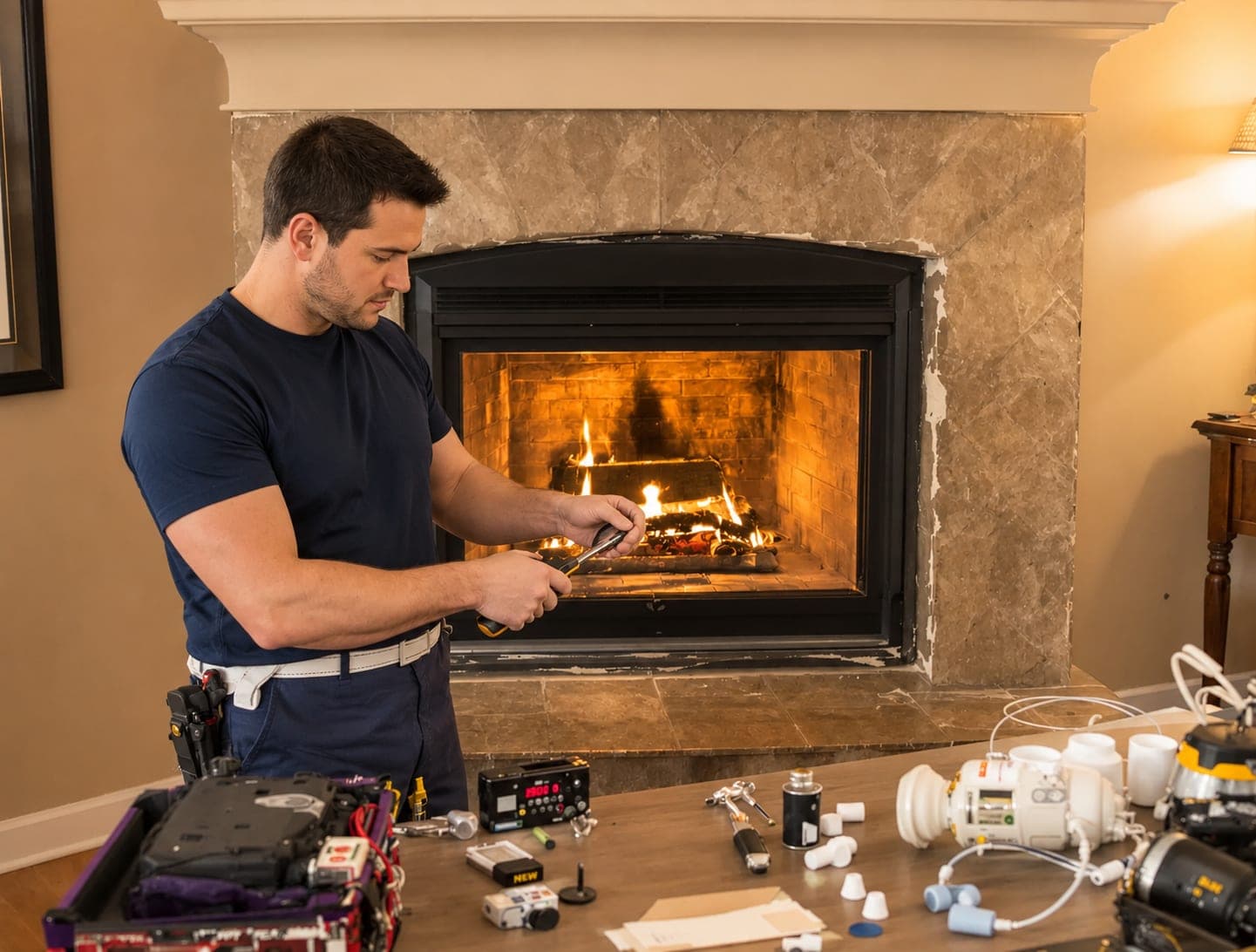
- Won't ignite, or lights and then goes out within minutes
- An error code that comes back after every reset
- A lazy, tall, dark flame that leaves soot behind
- Smoke or a burnt smell in the room
- Glass that blackens within a day or two
- Grinding, rattling or a fan that sounds louder than it used to
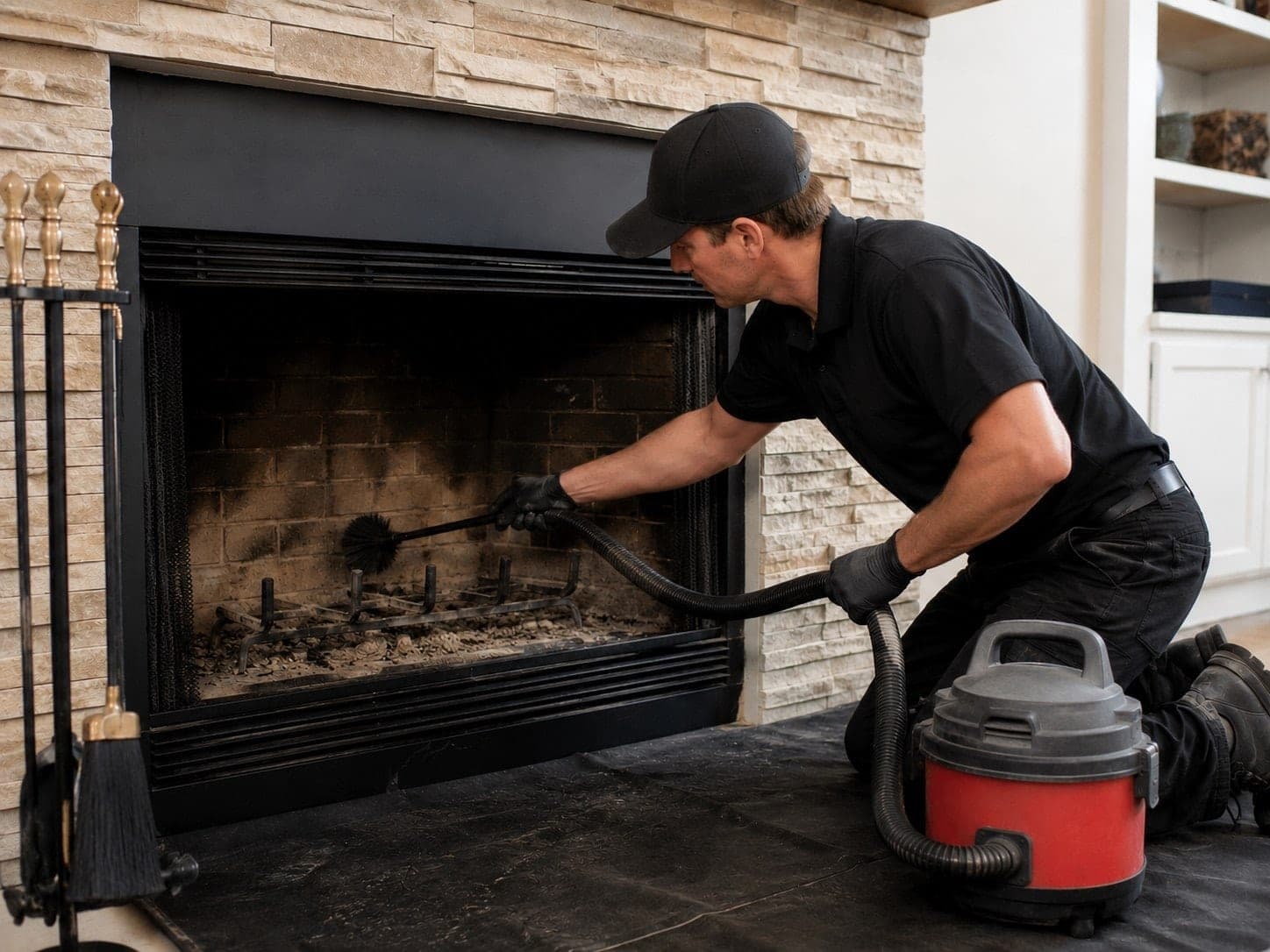
A surprising share of these come down to ash packed into the burn pot or exhaust passages, a partly blocked vent, damp or dusty pellets, or a door gasket that no longer seals. Those are cleaning and adjustment jobs. Worn igniters, failing fans and sensor faults are true repairs. If you'd like to understand how the pieces connect first, our guide to how a fireplace is built is a useful primer.
Ravelli listings from far-off dealers won't fix a stove here
Search for a Ravelli Group fireplace and you'll see dealer pages and showroom listings tied to towns a long way from Connecticut. They can describe a model, but they can't look at the unit sitting in your living room. We handle Ravelli Group fireplace repair in Connecticut homes, doing both the diagnosis and the work.
One honest note: if your unit is new enough to still be covered by its manufacturer, read that paperwork before booking anyone. Some coverage terms spell out who may service the appliance, and the selling dealer can confirm what applies to yours.
Sorting cleaning, repair and venting work
| What you notice | Common cause | Kind of work |
|---|---|---|
| Fire starves and dies | Ash buildup in the burn pot or exhaust passages | Cleaning the unit and its vent |
| Smoke smell near the unit | Leaking door gasket or vent joint | Fireplace repair and resealing |
| Repeated ignition failure | Worn igniter or a dirty burn pot | Fireplace repair |
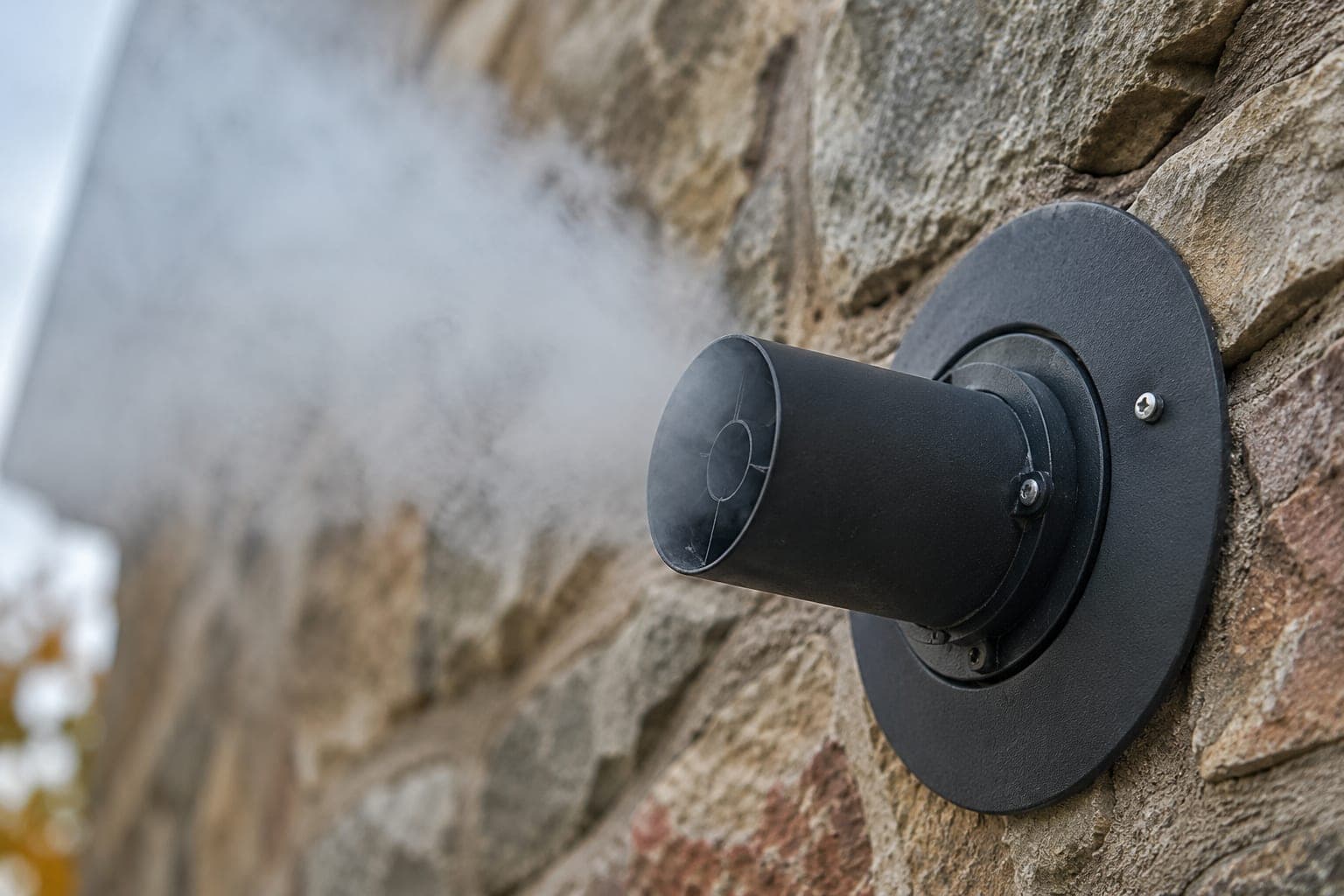
| Shutdown with an exhaust error | Blocked vent, debris or a nest at the termination | Blockage or nest removal, liner work |
Pellet inserts that vent up an existing chimney depend on the liner inside it, so we check the liner and termination along with the appliance. Homes with several heating appliances often ask about more than one; we also handle wood stove and insert repairs and fixes for electric fireplaces. For ways to get more heat from fewer pellets, see tips on running a fireplace efficiently.
Smoke coming into the room
Turn the unit off at its controls and let it finish its shutdown cycle so the exhaust fan can clear the firebox, unless your manual says otherwise. Open a window and call. Emergency calls are accepted, and we're available 24 hours, Sunday through Friday.
What happens during the visit
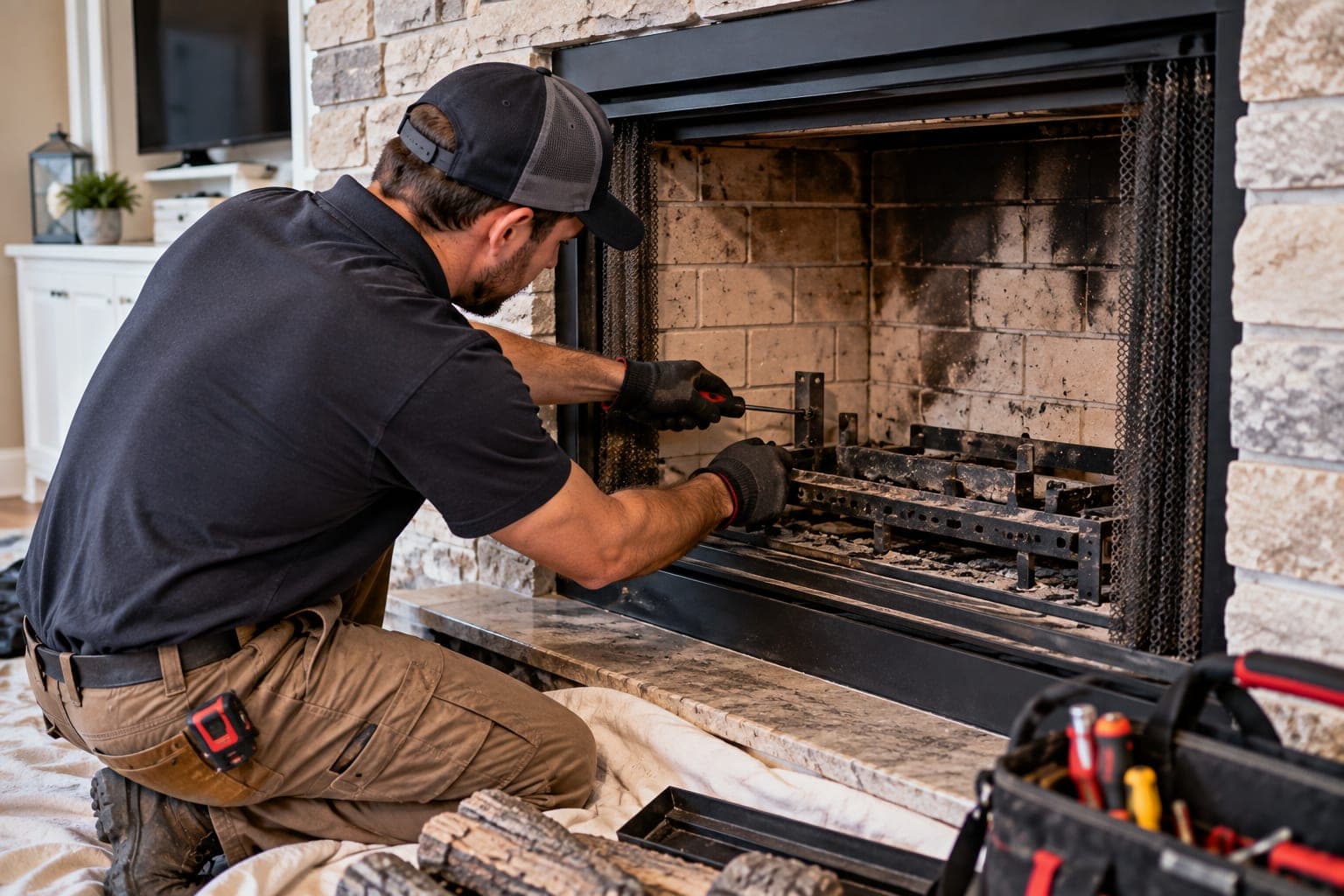
Cracks in the firebox let heat reach the framing behind it. A damaged smoke chamber is a common cause of smoke spilling into the room.
Diagnosis
What is failing and why.
Options
Repair, replace a part, or reline — explained plainly.
Work
Done once you approve the scope.
Check
Draft and operation are tested afterwards.
What the technician checks
- Doors, glass and gaskets
- Damper operation
- Hearth and surround
- Mortar joints inside the firebox
- Firebrick or refractory panels
- Smoke chamber and smoke shelf
- Draft from the opening
Signs it's time for fireplace repair
- Smoke coming into the room
- A damper that won't open or close
- Rust or warping inside the firebox
- A fireplace that is hard to light or won't stay lit
- Doors or glass that are cracked or don't seal
How to prepare
- Write down what you've noticed and when it happens — smells, smoke, sounds or stains.
- Move rugs, photos and anything fragile away from the work area.
- Keep pets in another room while the work area is open.
- Let the fireplace or stove cool completely — ideally no fire for 24 hours before the visit.
Carbon monoxide
A blocked or damaged flue can push carbon monoxide into the home. If an alarm sounds or anyone feels dizzy or sick near the fireplace, get everyone outside and call 911.