On this page
Industrial chimneys for safe and efficient boiler use
A boiler is only as good as the chimney behind it. The flue has to pull combustion gases up and out at a steady rate. When draft weakens, the problems show up at the equipment first: spillage at the draft hood, sooting at the breeching, burners that struggle to run cleanly, or a mechanical room that smells of exhaust.
- Partial blockages from soot, scale, fallen masonry or debris that narrow the flue
- Liner damage, such as cracked tile sections or corroded metal, that lets gases leak and cool too fast
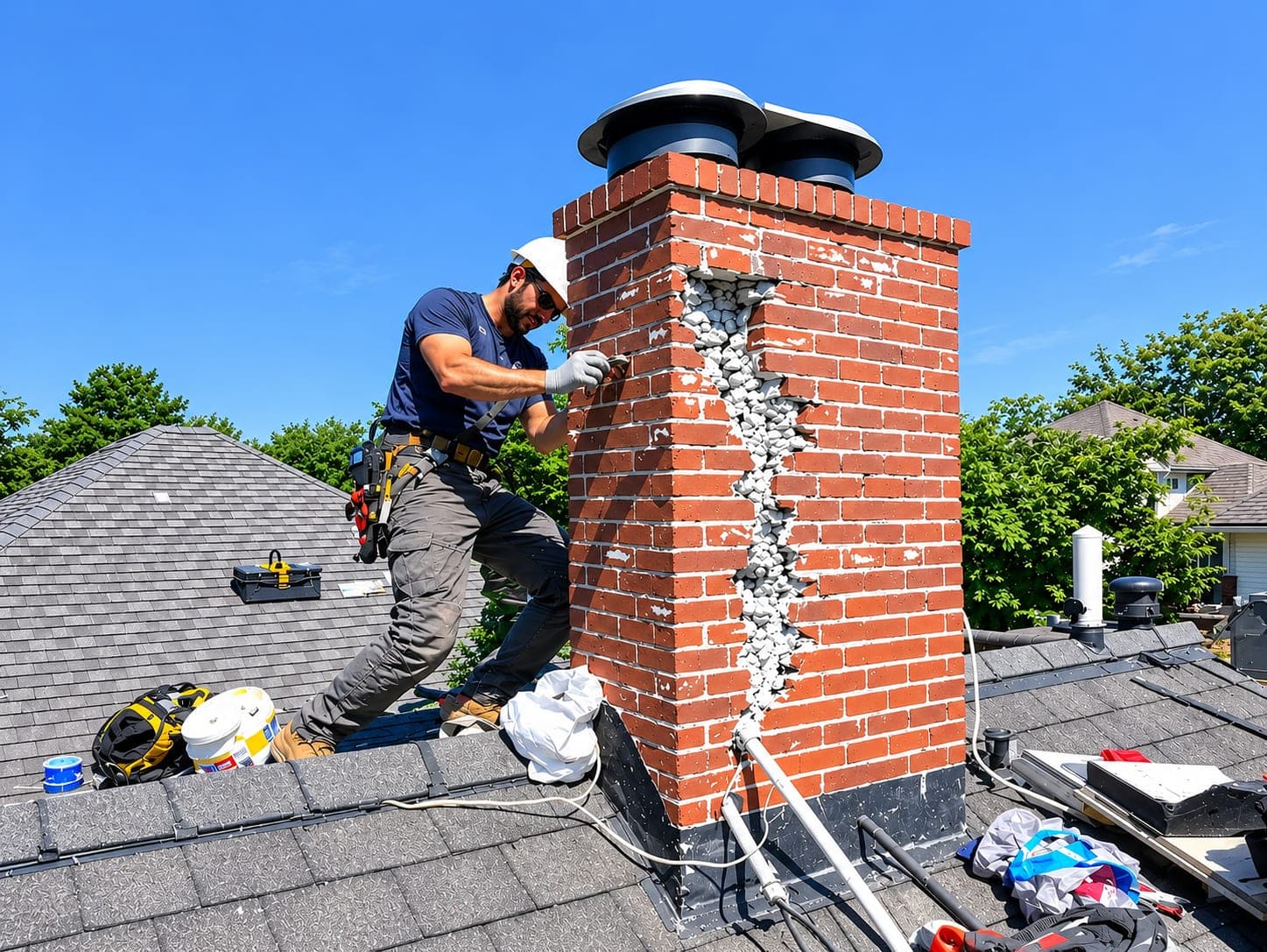
- Condensation damage, which often shows as staining, flaking mortar or rust streaks near the base and cleanout
- Top-end wear, such as a failed cap or crown that lets rain run straight down the flue
What we mean by an industrial chimney
We use the term for masonry or metal flues that serve boilers, furnaces and other heating equipment in commercial and industrial buildings. These chimneys vary widely in height, material and fuel. Start by telling us what the stack serves, how tall it is and what it's built from. We'll tell you plainly whether it's work we take on before anyone sets up equipment.
From first look to finished repair
Water that gets into a chimney widens cracks every season and can rot nearby framing. Small repairs done early usually avoid a partial rebuild later.
Inspect
Masonry, crown, flashing, cap and the inside of the flue are checked.
Trace the cause
The repair targets what is actually failing, not just the symptom.
Agree the scope
Nothing starts until you've approved what will be done.
Fix and finish
The work is completed and the area left clean.
Getting ready for the visit
- Move rugs, photos and anything fragile away from the work area.
- Make sure the technician can reach the roof or attic access if it's needed.
- Let the fireplace or stove cool completely — ideally no fire for 24 hours before the visit.
- Clear a few feet of space in front of the hearth or appliance.
What we look at
- Cap, screen and chase cover
- Firebox walls and floor
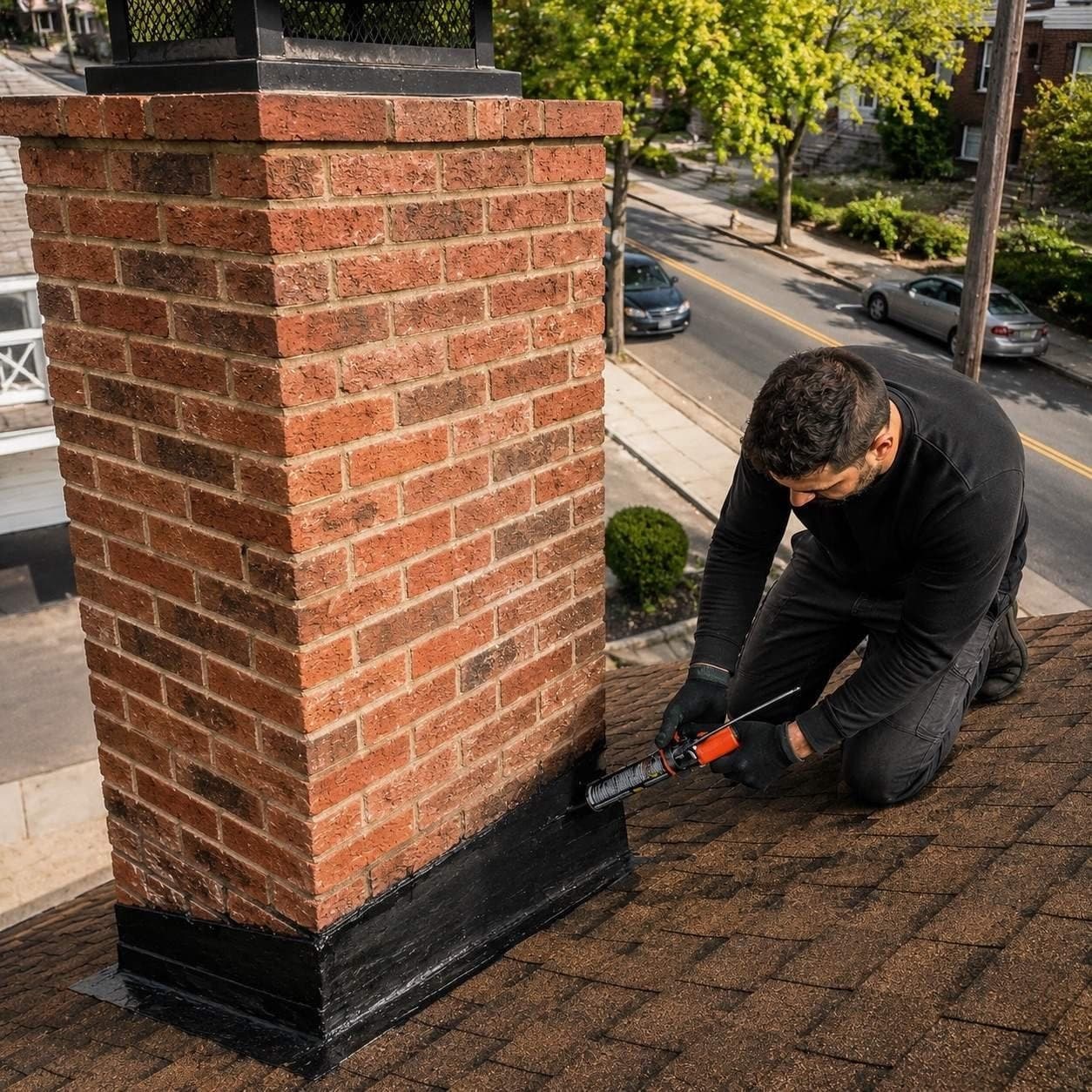
- Flashing seal at the roof
- Damper and smoke chamber
- Mortar joints and brick faces
Signs to watch for
- Rust on the damper or firebox
- A cracked or crumbling crown
- Water stains on the ceiling or wall beside the chimney
- Crumbling or sandy mortar joints
Carbon monoxide
A blocked or damaged flue can push carbon monoxide into the home. If an alarm sounds or anyone feels dizzy or sick near the fireplace, get everyone outside and call 911.
Industrial chimney maintenance components
| Component | What tends to go wrong | Work we do |
|---|---|---|
| Cap or rain cover | Rusts, loosens or blows off, letting in water and debris | Cap installation and replacement |
| Spark arrestor | Clogs with soot or corrodes through | Spark arrestor installation |
| Crown | Cracks and lets water into the masonry | Crown repair |
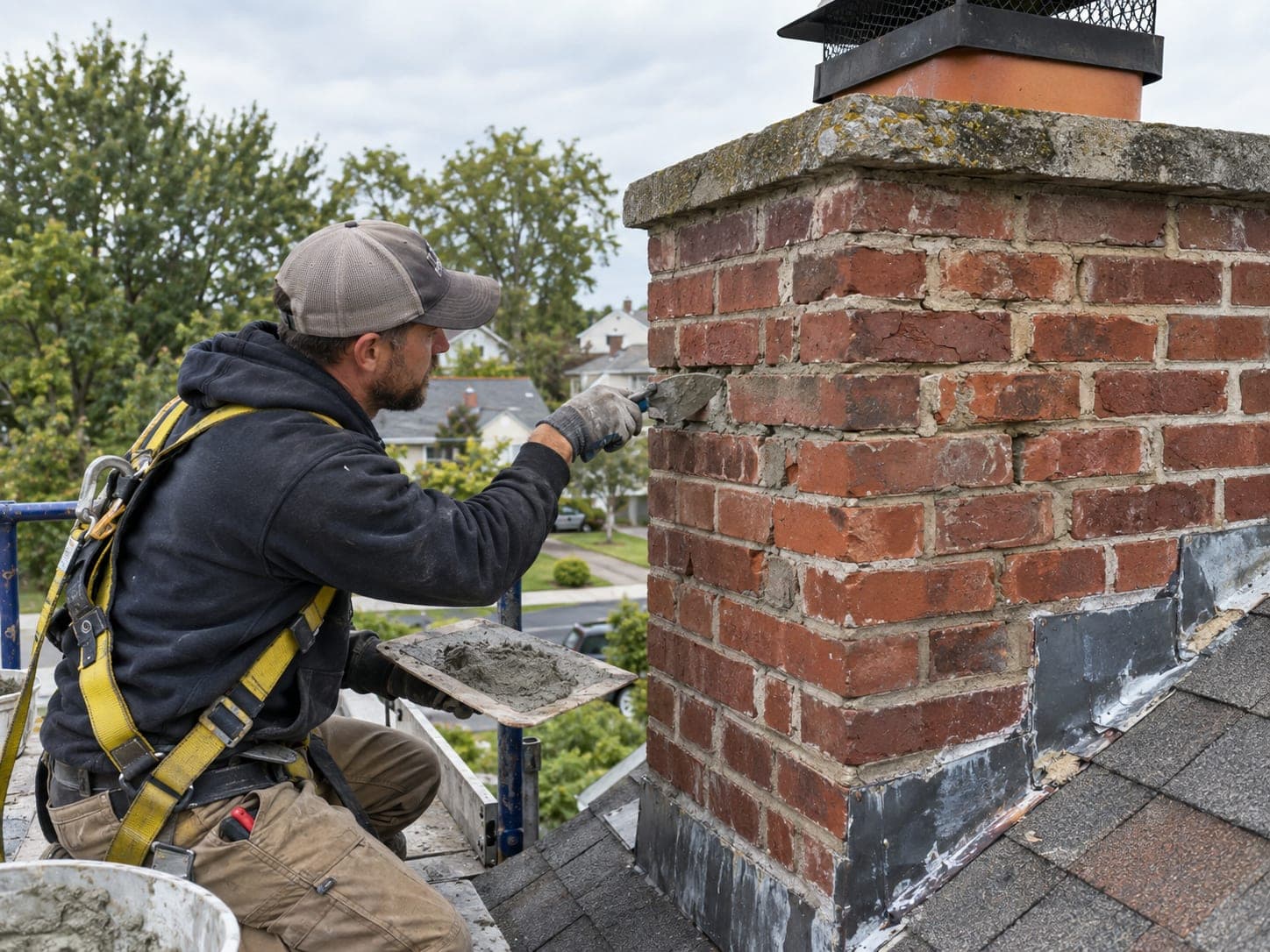
| Brick and mortar joints | Spalling brick and eroded mortar | Tuckpointing and masonry repair |
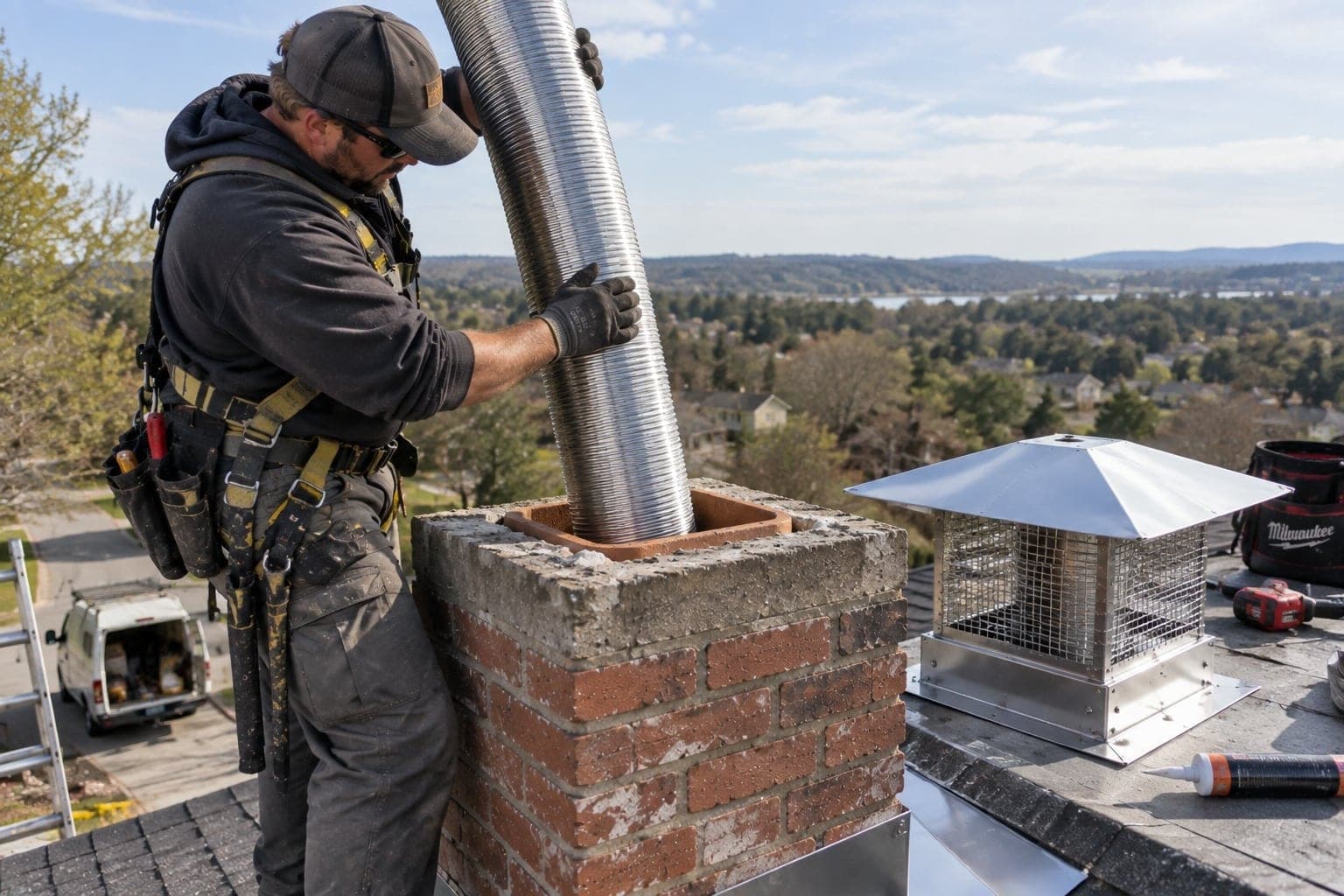
| Liner | Cracked tiles, corroded sections, gaps at joints | Liner repair and installation |
| Base and cleanout | Debris buildup that restricts flow | Cleaning and blockage removal |
The liner is usually the component that decides how long a stack keeps working safely. Our guide to understanding chimney liners explains the main liner types and how each one fails. If you need a documented look at condition before planning repairs, see how industrial chimney inspections works.
Fixing a blocked industrial chimney in East and West Hartford
East Hartford
When a blocked flue is holding up a boiler in East Hartford, we start by finding where the obstruction sits and what it's made of. Fallen liner pieces call for a different fix than a nest or a soot plug. Once it's cleared, we check the flue for damage that could cause the same blockage again.
West Hartford
If a stack in West Hartford is backing up, shut down the equipment it serves and keep people out of the area until it's cleared. Emergency calls are accepted, and we're available 24 hours, Sunday through Friday. Read about our Sunday–Friday 24-hour chimney service for after-hours problems, and see the chimney fireplace repair service for the repair work that often follows.