On this page
Why stainless chimney caps are the common choice
A chimney cap does four jobs. It keeps rain out of the flue, blocks animals and debris, stops embers from landing on the roof, and can reduce wind-driven downdraft. Stainless chimney caps do all of this without the rust that eventually eats through cheaper metal and streaks orange down the brick.
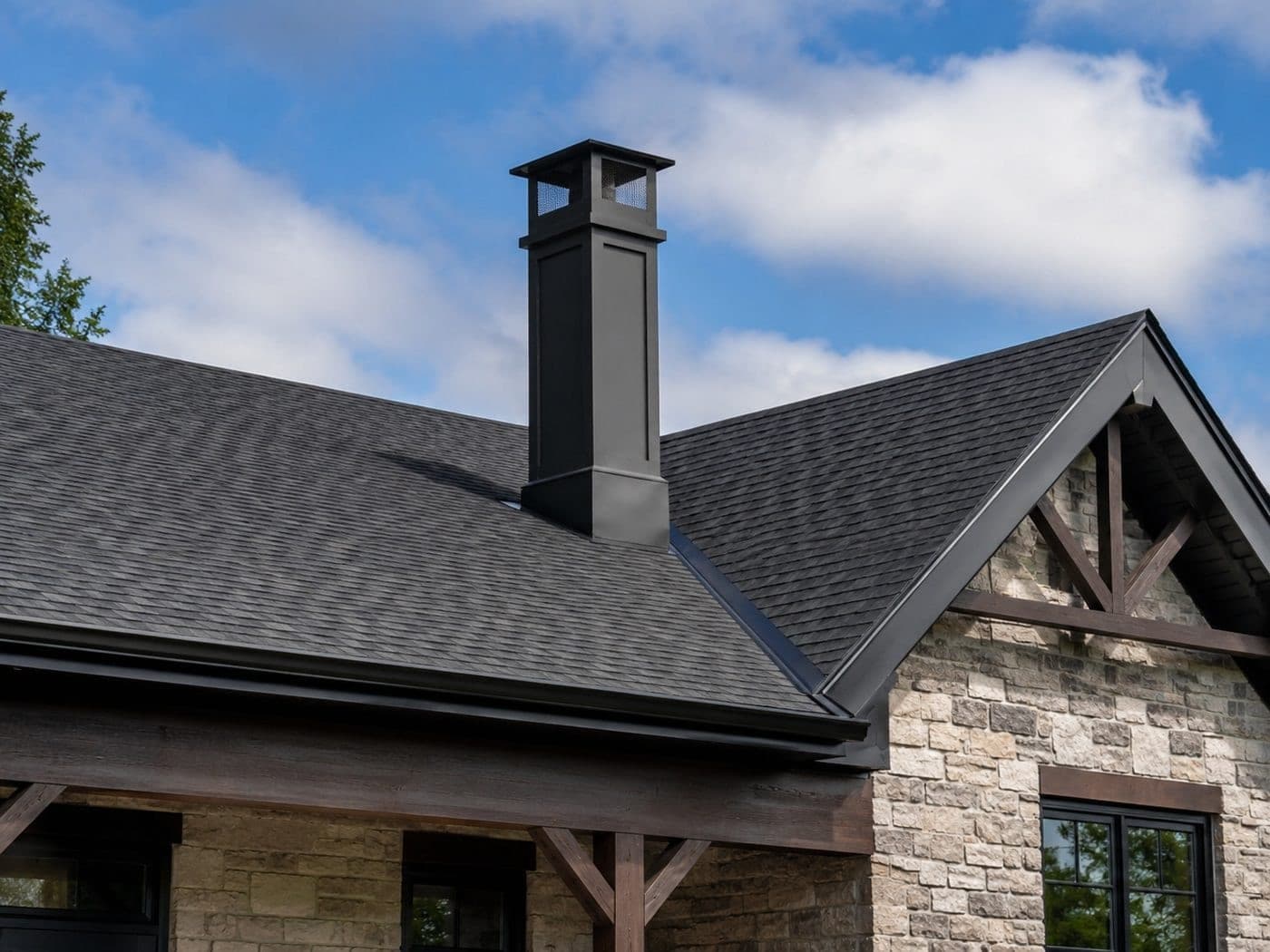
Stainless steel fireplace chimney caps
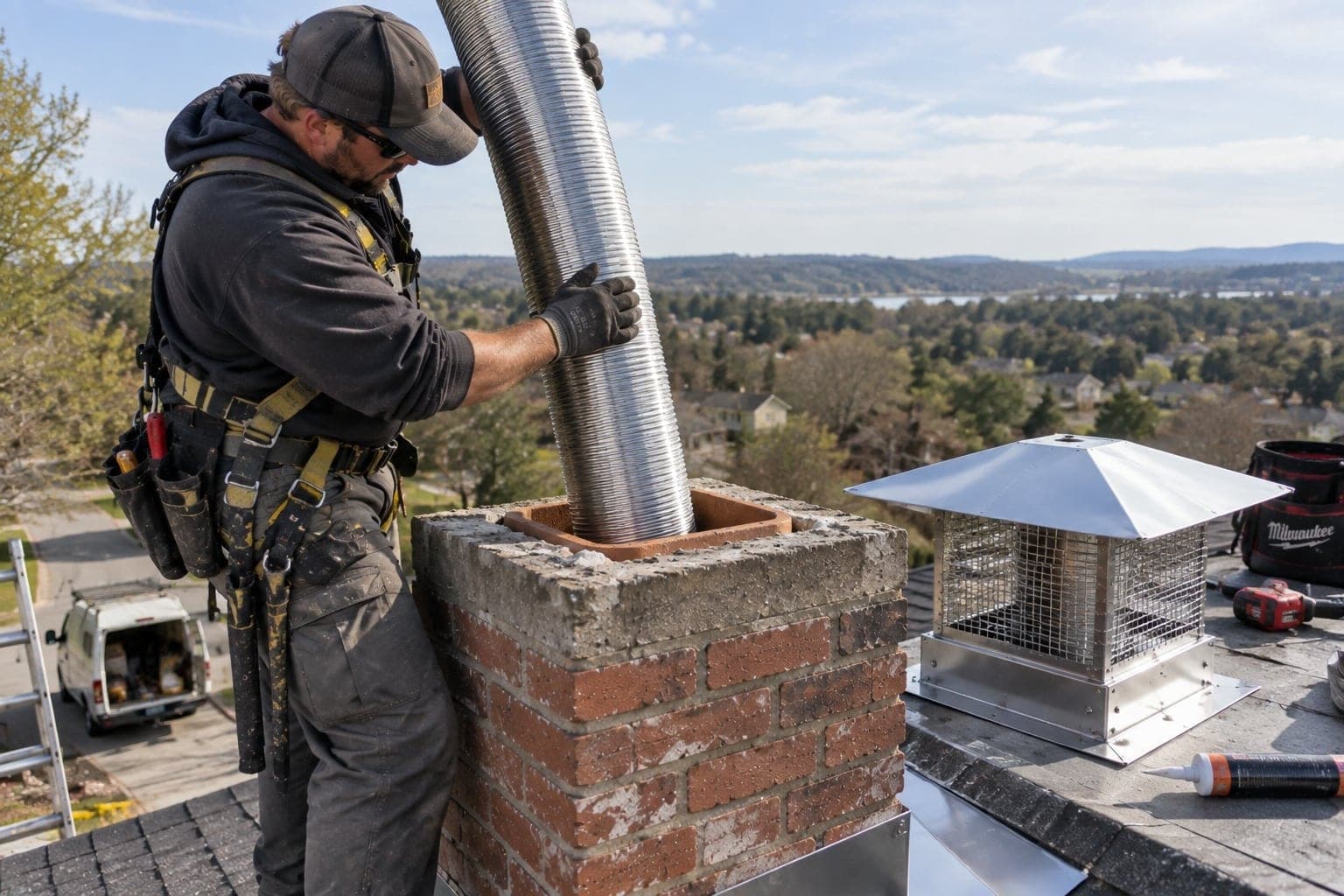
On a wood-burning fireplace, the cap usually sits on a single clay flue tile and has a mesh screen around its sides. The mesh has to strike a balance. It needs to be tight enough to stop animals and work as a spark arrestor, and open enough that soot doesn't clog it and choke the draft. Chimneys with several flues often get one larger cap that covers the whole crown, which also protects the crown from rain.
What the visit covers
The mesh keeps birds, squirrels and raccoons out and stops embers from leaving the chimney. Without a cap, rain runs straight into the flue and the damper, and rusts or soaks what's below.
Measure the flue
Flue size, how far the tile sticks up, and whether a single-flue or a full-width cap suits the chimney.
Check the top
The crown and flue tile the cap mounts to, and any damage from water or animals.
Fit and fasten
The cap and mesh are secured to the flue or crown so wind can't lift them.
Confirm
Draft is checked and you see what was installed.
Stay off the roof
Looking from the ground or with binoculars is safe. Climbing a steep or wet roof to reach a chimney is not — leave that to someone with the right equipment.
How to prepare
- Make sure the roof can be reached from the driveway or yard.
- Keep the fireplace unused the day of the visit.
- Note any animal sounds or debris in the firebox.
Signs it's time for stainless steel chimney caps
- Animals or nesting material in the flue
- Rust stains running down the chimney
- A cap that's missing, bent, rusted or leaning
- Mesh that's torn, rusted through or clogged with creosote
What we look at
- Flue size and tile condition
- Crown under the cap
- Clearance between the hood and the flue
- Fasteners and mounting
- Mesh size and condition
- Rust or corrosion
How galvanized steel chimney caps compare
Galvanized steel chimney caps are plain steel coated with zinc. They cost less up front and work well at first, but once the coating wears thin, rust follows.
| Feature | Stainless steel | Galvanized steel |
|---|---|---|
| Rust resistance | High; made for long outdoor exposure | Good until the zinc coating wears off |
| Appearance over time | Stays bright or dulls evenly | Can rust and stain the crown and brick |
| Up-front cost | Higher | Lower |
| Best fit | Long-term, permanent installs | Short-term or budget situations |
Rust resistance
- Stainless steel
- High; made for long outdoor exposure
- Galvanized steel
- Good until the zinc coating wears off
Appearance over time
- Stainless steel
- Stays bright or dulls evenly
- Galvanized steel
- Can rust and stain the crown and brick
Up-front cost
- Stainless steel
- Higher
- Galvanized steel
- Lower
Best fit
- Stainless steel
- Long-term, permanent installs
- Galvanized steel
- Short-term or budget situations
When a basic steel chimney cap still makes sense
A simple steel chimney cap can be a reasonable choice on a chimney scheduled for a rebuild, or when the owner plans to replace the cap soon anyway. If you intend to keep the cap for the long haul, stainless is usually the better value.
Installing a stainless steel chimney cap
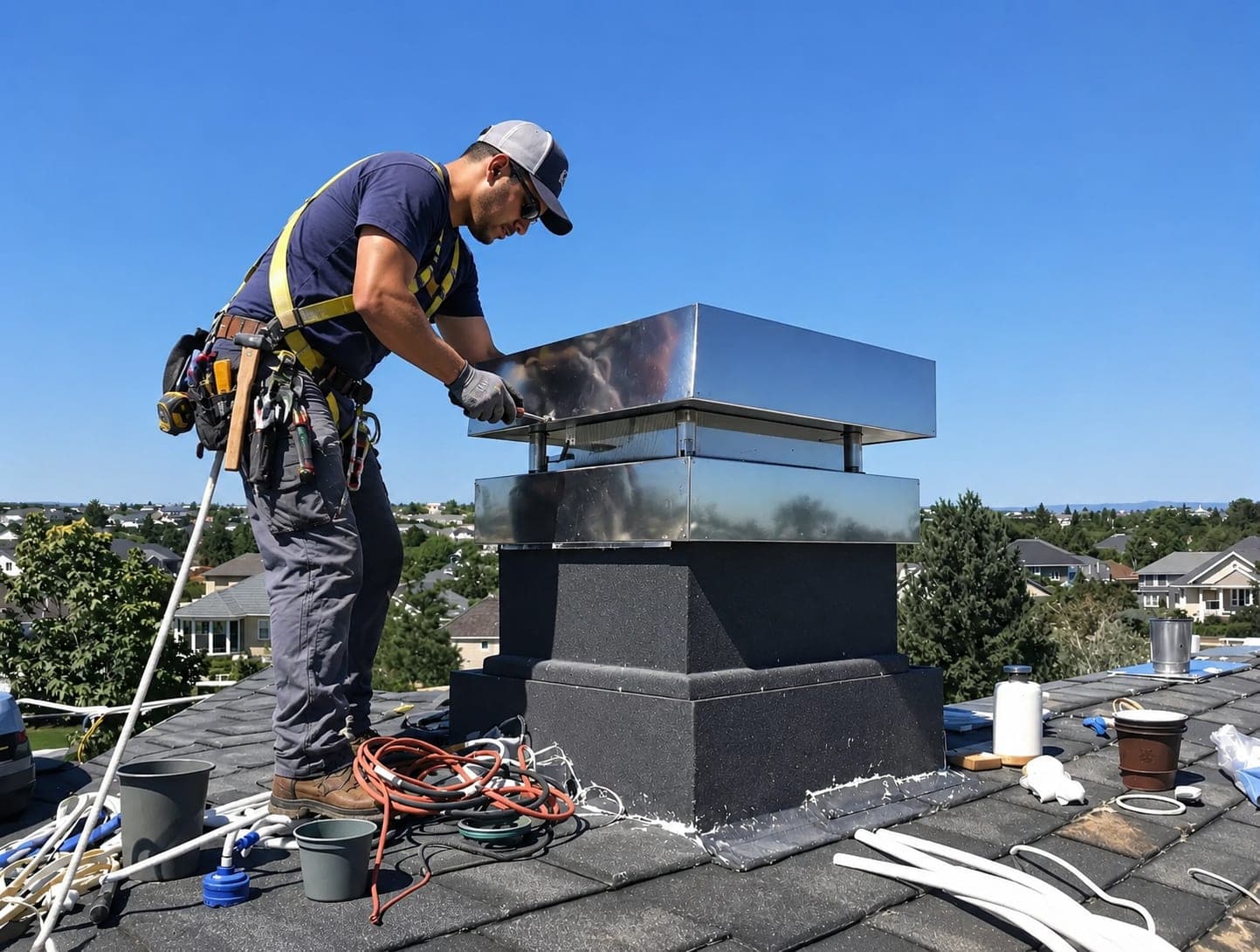
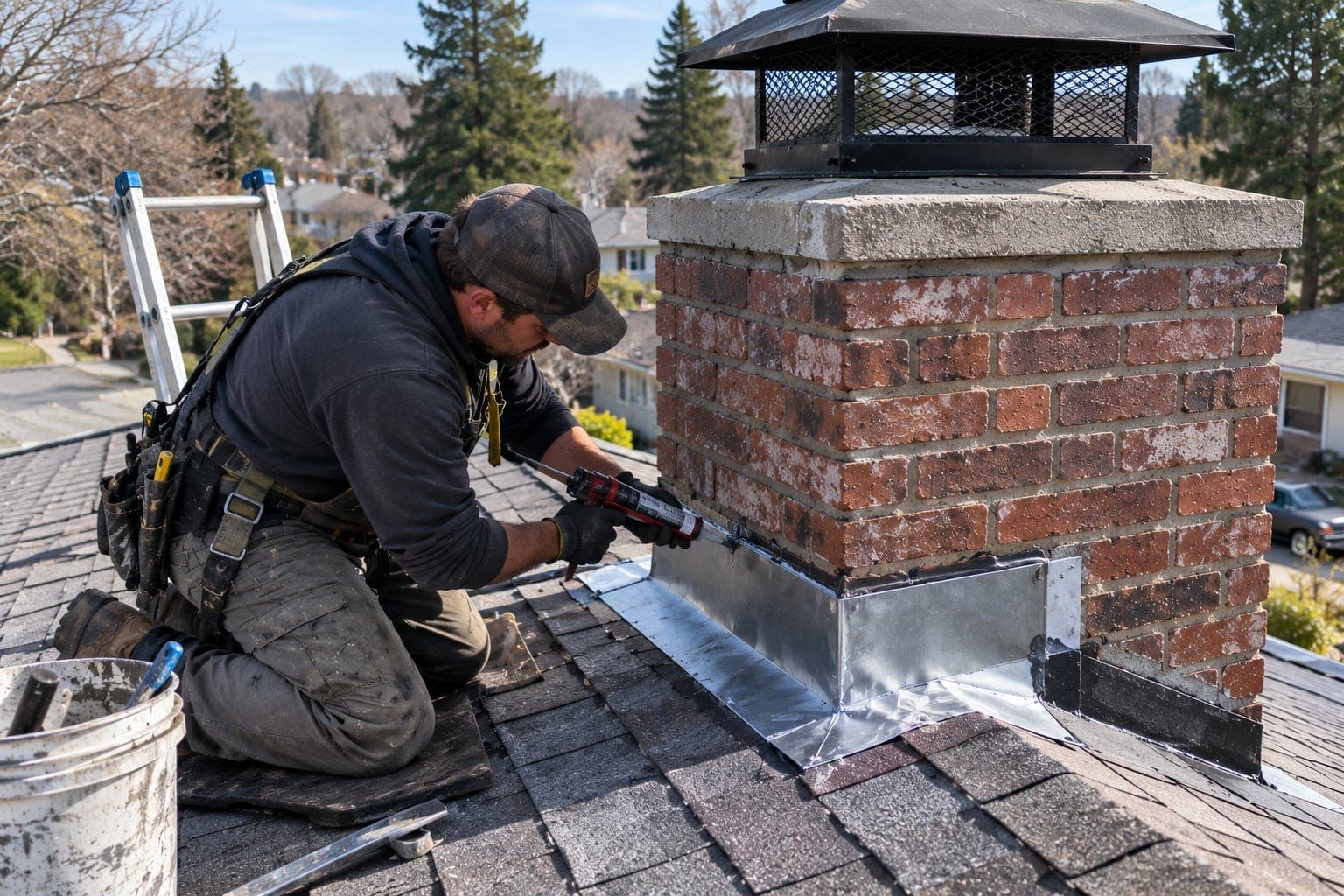
The right cap depends on measurements and on the condition of the top of the chimney. We size the cap to the outside of the flue tile or to the whole crown, check the clearance between the tile and the cap's lid, and decide whether it clamps to the tile or anchors to the crown. A cracked crown should be fixed first through our chimney and fireplace repair work. Putting a new cap on a failing crown only moves the leak somewhere else.
Relined chimneys need a different approach. A stainless steel liner usually takes a cap made to fit the liner itself. If an animal is already inside or a storm tore off your old cap, reach our Sunday–Friday 24-hour chimney service. Live nearby? See our page on stainless steel chimney caps in West Hartford.