On this page
What flue repairs involve
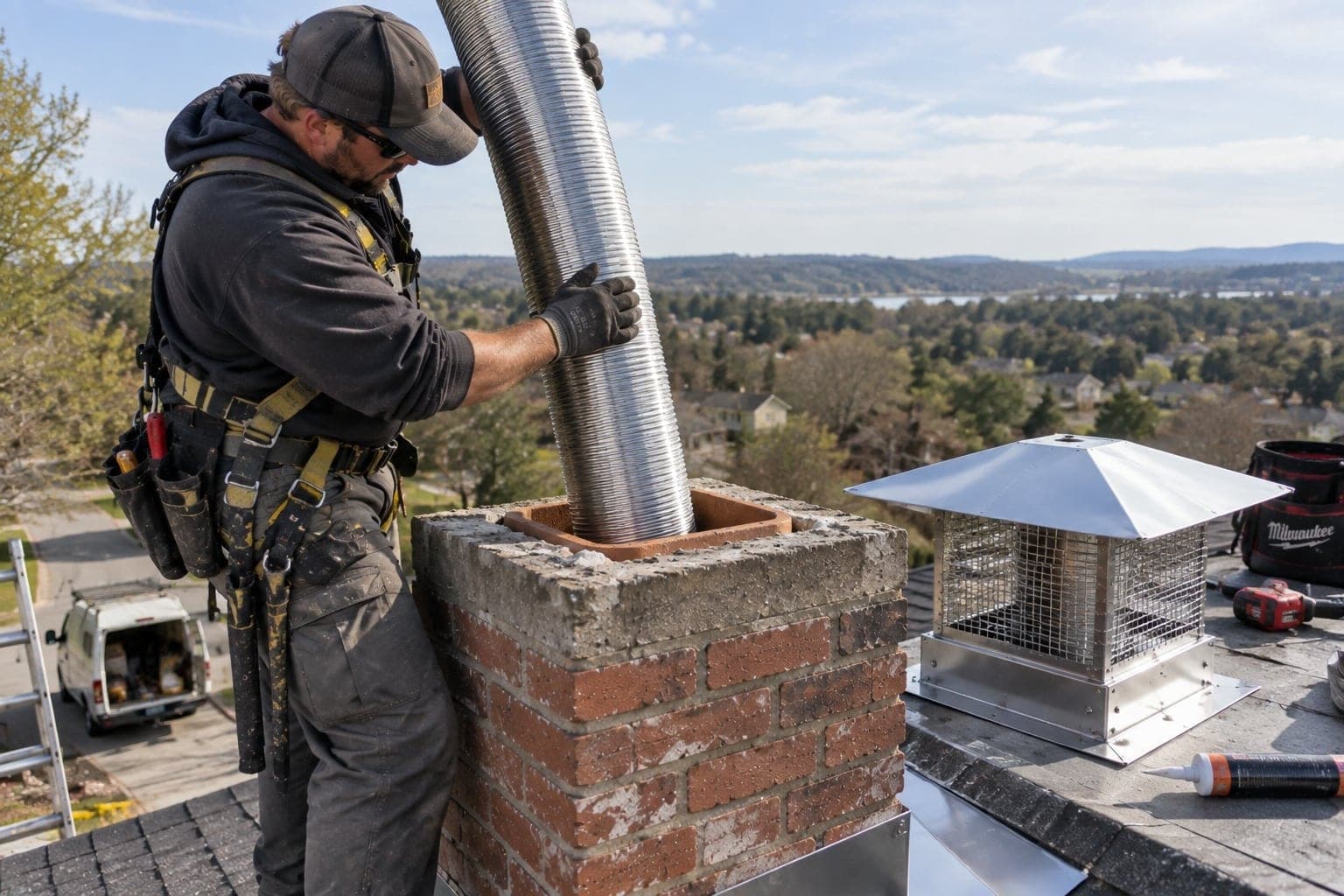
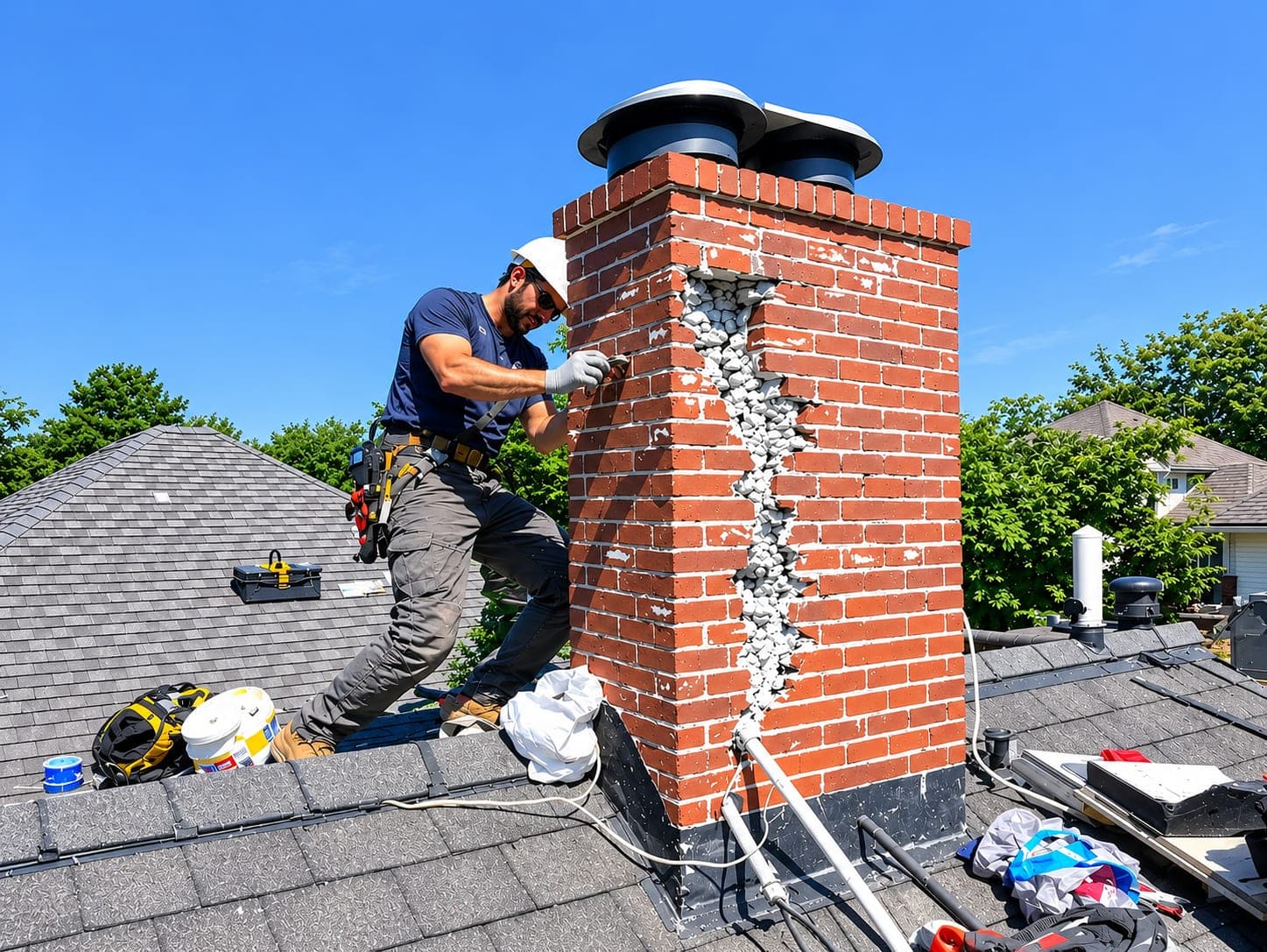
A sound flue keeps hot gases contained and moving up and out. Once it cracks or separates, heat can reach the wood framing around the chimney, and exhaust can seep into the masonry or the house. Flue repairs target the specific way the passage has broken down:
| Problem | Why it matters | Usual fix |
|---|---|---|
| Cracked clay tiles | Gaps let heat and gases escape the flue | Tile repair or relining |
| Missing or eroded mortar joints | Open joints act like cracks | Joint repair or relining |
| Shifted or offset tiles | Ledges catch creosote and restrict draft | Usually relining |
| Corroded or separated metal liner | Leaks and weak spots along the run | Liner repair or replacement |
| Rough or crumbling smoke chamber | Poor draft and creosote buildup | Smoke chamber repair |
| Rusted or stuck damper | Smoke spillage or heat loss | Damper repair |
Cracked tiles are one of the most common things we find. The page on what causes flue tiles cracked repair covers the usual causes, from a past chimney fire to water and freeze damage.
Signs your flue needs attention
- Pieces of clay tile or flakes of liner in the firebox
- Smoke that lingers or drifts into the room
- A strong creosote smell, especially in damp weather
- Staining on walls or ceilings near the chimney
- A past chimney fire, even a small one
How the visit works
Small repairs done early usually avoid a partial rebuild later. A damaged liner or firebox lets heat reach parts of the house it shouldn't.
Inspect
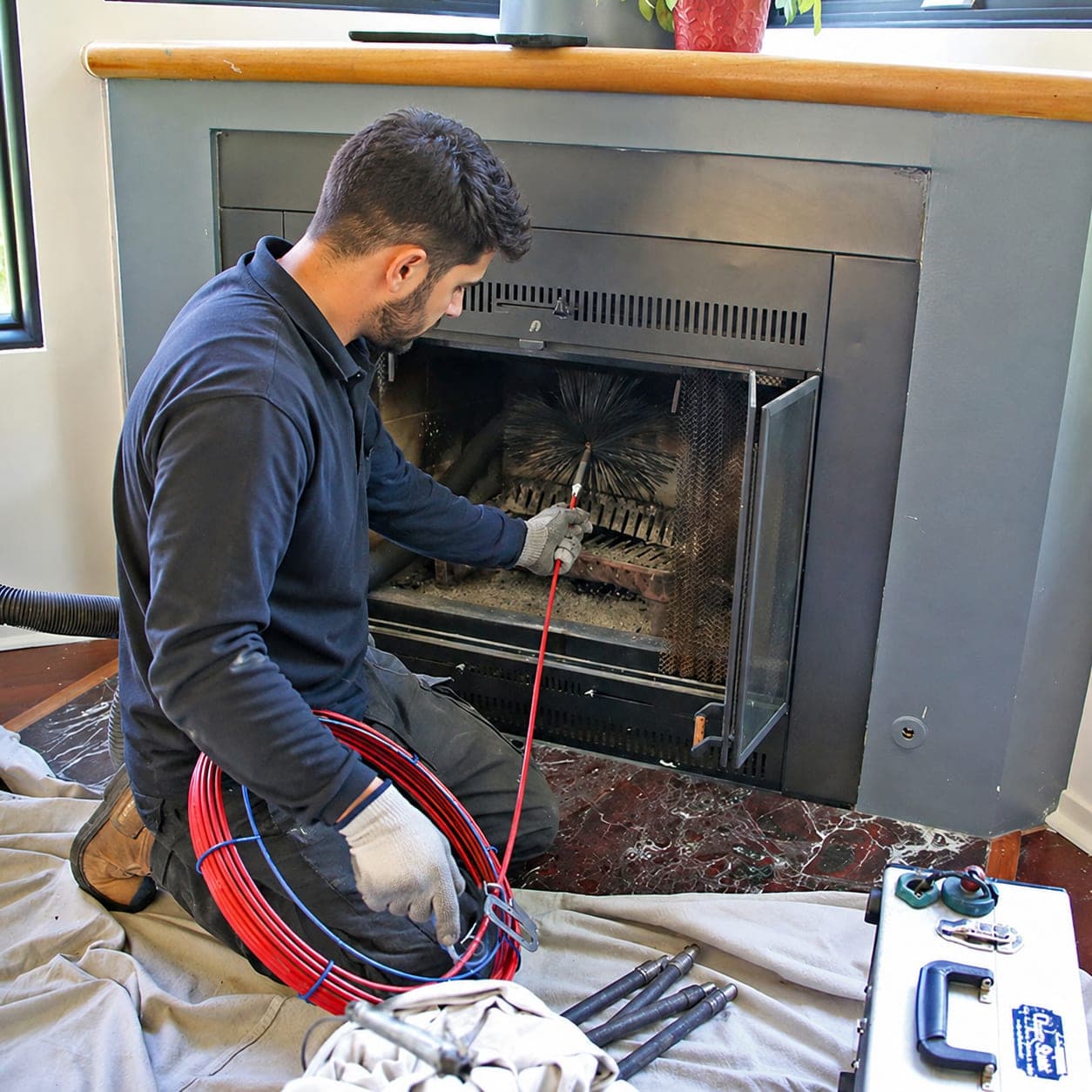
Masonry, crown, flashing, cap and the inside of the flue are checked.
Trace the cause
The repair targets what is actually failing, not just the symptom.
Agree the scope
Nothing starts until you've approved what will be done.
Fix and finish
The work is completed and the area left clean.
When to book chimney repair
- Crumbling or sandy mortar joints
- Water stains on the ceiling or wall beside the chimney
- Cracked, flaking or spalling brick
- A cap that is loose, rusted or missing
- A cracked or crumbling crown
Checked on every visit
- Cap, screen and chase cover
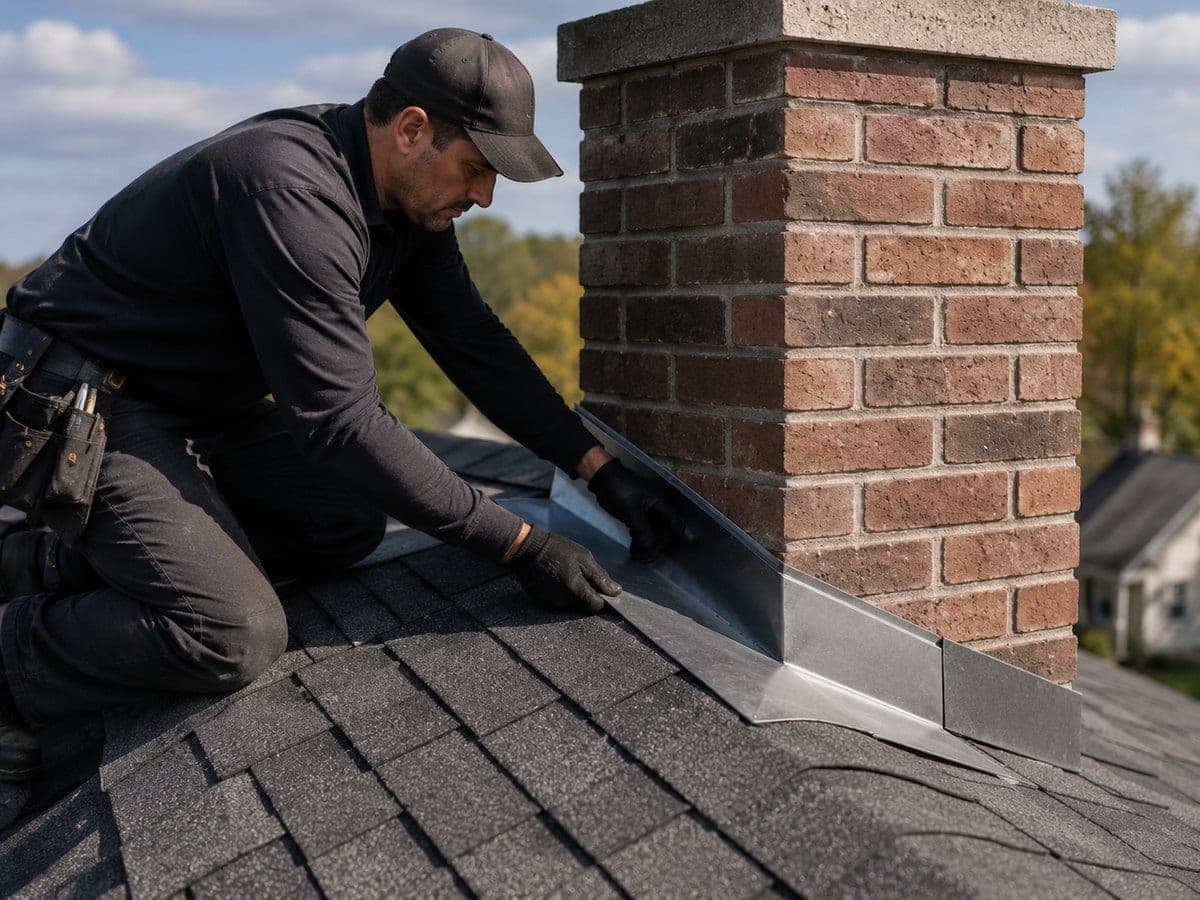
- Flashing seal at the roof
- Flue liner condition
- Damper and smoke chamber
- Firebox walls and floor
- Crown cracks and pooling water
- Mortar joints and brick faces
If smoke comes into the room
Stop adding fuel, open a window and don't relight the fire until the chimney has been checked. If the smoke is heavy, an alarm sounds or you suspect a chimney fire, get everyone outside and call 911.
Getting ready for the visit
- Move rugs, photos and anything fragile away from the work area.
- Note the make and model of any insert, stove or gas unit if you have it.
- Clear a few feet of space in front of the hearth or appliance.
- Write down what you've noticed and when it happens — smells, smoke, sounds or stains.
Repair or reline?
| Feature | Spot repair | New liner |
|---|---|---|
| Best when | Damage is limited to a few joints or tiles | Cracking or separation runs along much of the flue |
| What it involves | Repairing the damaged sections in place | Installing a new liner through the existing chimney |
| Typical trigger | Isolated cracks found during inspection | Chimney fire damage, widespread wear, or a change of appliance |
Best when
- Spot repair
- Damage is limited to a few joints or tiles
- New liner
- Cracking or separation runs along much of the flue
What it involves
- Spot repair
- Repairing the damaged sections in place
- New liner
- Installing a new liner through the existing chimney
Typical trigger
- Spot repair
- Isolated cracks found during inspection
- New liner
- Chimney fire damage, widespread wear, or a change of appliance
The only way to choose well is to see the whole flue. A camera inspection shows us each joint and tile from top to bottom, so the recommendation rests on what's actually there. Our guide to understanding chimney liners explains the liner types we'd discuss with you. Flue work often sits alongside other fixes covered under the chimney fireplace repair page. If the flue failed suddenly, the Sunday–Friday 24-hour chimney service explains what to do right away.