A chimney works quietly when everything is right. Hot gases rise, the flue carries smoke and moisture out, and the masonry or chase sheds rain. When one part fails, the effects spread. A leak weakens mortar, weak mortar lets in more water, and a damaged flue can hurt draft. Knowing the common chimney problems and how they connect helps you decide what to watch and when to call for a closer look.
The 4 common chimney problems most homeowners face
Chimneys can fail in many ways, but four problems account for most of what homeowners notice. The table below summarizes each one.
| Problem | What you notice | Why it matters |
|---|---|---|
| Backdraft and poor draft | Smoke spilling into the room, a smoky smell, fires that are hard to start | Smoke and combustion gases end up in living space |
| Creosote buildup | Black, flaky or glazed deposits in the flue or firebox, a strong campfire odor | Creosote is flammable and is the fuel behind most chimney fires |
| Water intrusion and masonry damage | Stains on walls or ceiling near the chimney, crumbling mortar, white residue on brick, rust on the damper | Water slowly breaks down brick, mortar, crowns and metal parts |
| Blockages and animals | Scratching or chirping sounds, debris falling into the firebox, sudden smoke problems | A blocked flue can push smoke and gases back into the house |
What causes chimney problems in the first place
Most chimney damage comes from a handful of ordinary forces acting over time:
- Water. Rain and snowmelt get in through a cracked crown, a missing cap, failed flashing or porous brick. Water is behind more structural chimney damage than anything else.
- Heat and freeze-thaw cycles. Masonry expands and contracts. Moisture trapped in small cracks freezes, expands, and widens them.
- Combustion byproducts. Burning wood leaves creosote. Burning it wet or with the air shut down low leaves much more.
- Neglect. A chimney that goes years without cleaning or inspection lets small issues compound.
- Wildlife and debris. Birds, squirrels and raccoons nest in uncapped flues, and leaves can collect on top of a damper.
Poor construction: The hidden cause of chimney problems
Some chimneys have problems from day one. A chimney that is too short for the roofline, a flue sized wrong for the fireplace or stove, a crown built from plain mortar instead of a properly formed cap, or flashing that was never sealed correctly can cause draft trouble or leaks that no amount of cleaning will fix. These defects often go unnoticed until something else prompts a close inspection. If you keep fixing the same symptom and it keeps coming back, the original design or construction is worth questioning.
Backdraft: When smoke comes back into the house
A backdraft chimney problem means air is moving down the flue instead of up. You might see smoke curl out of the fireplace opening when you light a fire, smell smoke in the house when the fireplace isn't in use, or feel cold air pouring out of the firebox. With gas fireplaces and other fuel-burning appliances, backdraft is more than a nuisance because combustion gases can include carbon monoxide.
Treat persistent backdraft as a safety issue
If smoke or exhaust keeps entering the room, stop using the appliance until the cause is found. Keep working carbon monoxide alarms on every level of the home, and get everyone outside and call 911 if an alarm sounds.
Causes of backdraft chimney problems
- Negative pressure in the house. Tight homes, plus exhaust fans, range hoods and clothes dryers running at the same time, can pull air down the chimney.
- A cold flue. Cold air sitting in the chimney resists rising smoke, especially in exterior chimneys.
- Blockages. Nests, debris, heavy creosote or a collapsed liner narrow the flue.
- Wrong flue size or chimney height. An oversized or undersized flue, or a chimney too short for nearby rooflines and trees, can disturb draft.
- A damper that is partly closed or broken.
- Wind. Gusts across the top of an uncapped chimney can push air down.
Solving backdraft chimney problems: Essential solutions and tips
Working through a backdraft problem
Check the damper first
Make sure it opens fully and stays open. A damper that won't seat or stay open needs repair.
Crack a window when lighting a fire
If smoke stops spilling when a nearby window is opened slightly, the house is starving the fire of air. Turning off exhaust fans while the fireplace is in use helps too.
Warm the flue
Holding a lit rolled-up newspaper near the open damper for a minute can start the upward flow before you light the main fire.
Burn dry, seasoned wood
Wet wood burns cool and smoky, which weakens draft and adds creosote.
Have the flue inspected and cleaned
If the simple fixes don't work, a blockage, creosote buildup or liner damage may be the cause. A camera inspection shows the inside of the flue.
Address structural causes
A chimney cap can reduce wind-driven downdraft. Flue sizing or liner problems may need a new liner, and draft issues tied to the fireplace itself may need firebox or smoke chamber repair.
Water damage, cracks and masonry wear
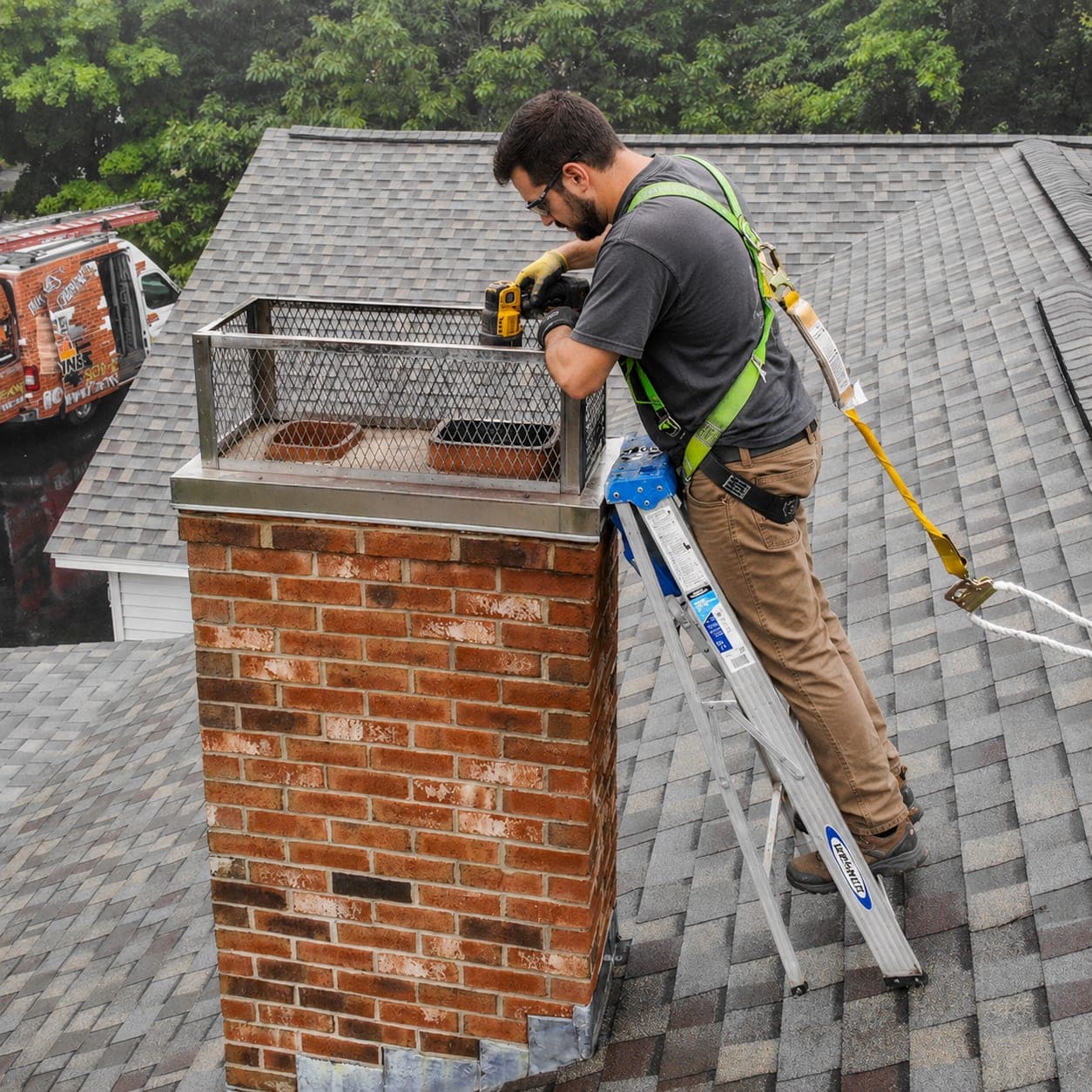
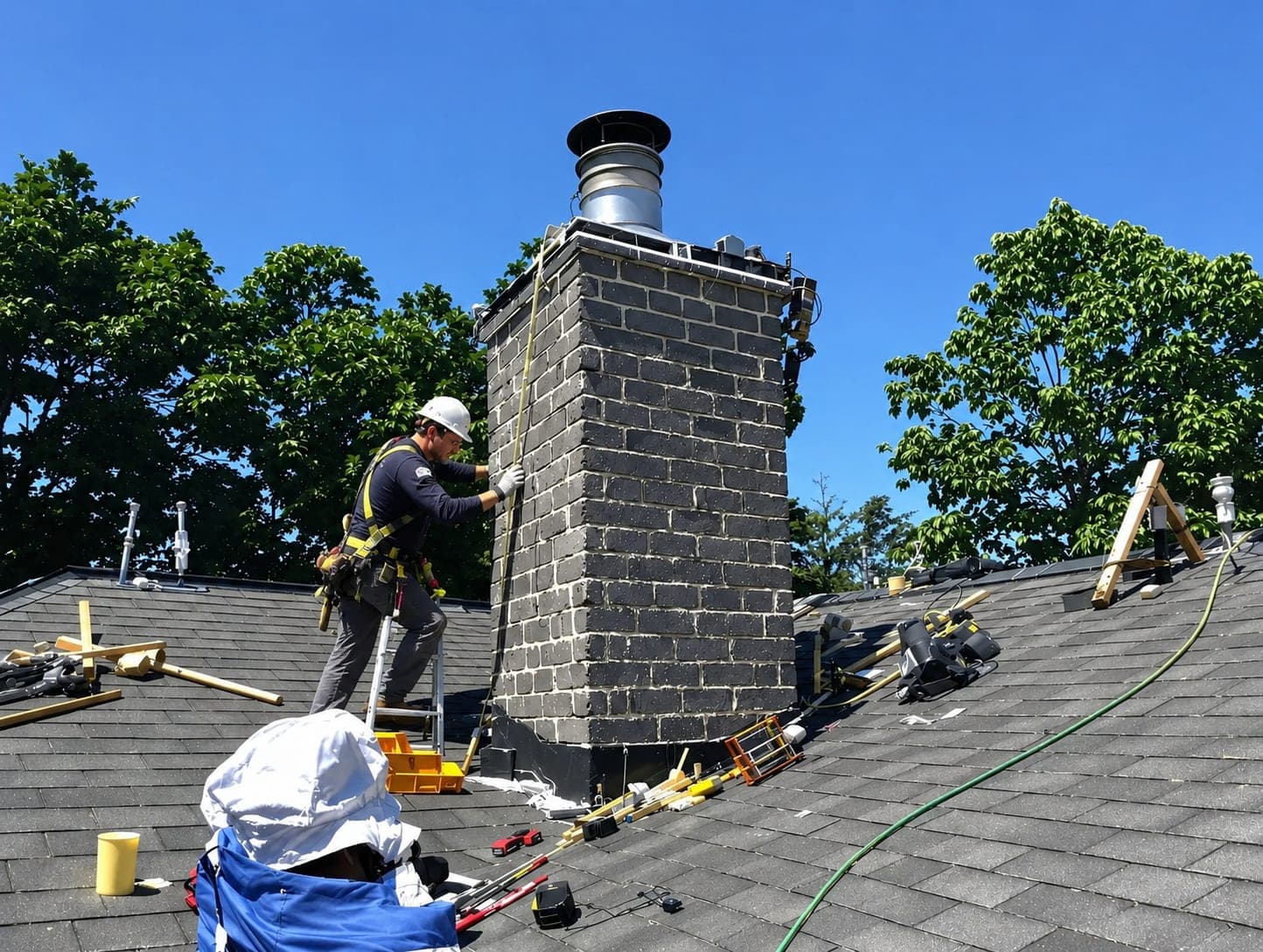
Water problems rarely announce themselves early. By the time you see a ceiling stain, water has usually been getting in for a while. Common entry points are the crown at the top of the chimney, the flashing where the chimney meets the roof, open mortar joints and an uncapped flue.
Q: Are tiny chimney cracks really a problem?
Often, yes. A hairline crack in a crown or mortar joint is a direct path for water. Once water gets in, freeze-thaw cycles widen the crack each winter. What starts as a cheap fix, like sealing a crown or repointing a few joints, can turn into spalling brick, a failing crown or loose upper courses that need rebuilding. Cracks inside the flue are a separate concern because they can let heat and gases reach nearby framing. Any crack is worth having looked at, even if it seems cosmetic.
Creosote, blockages and animals
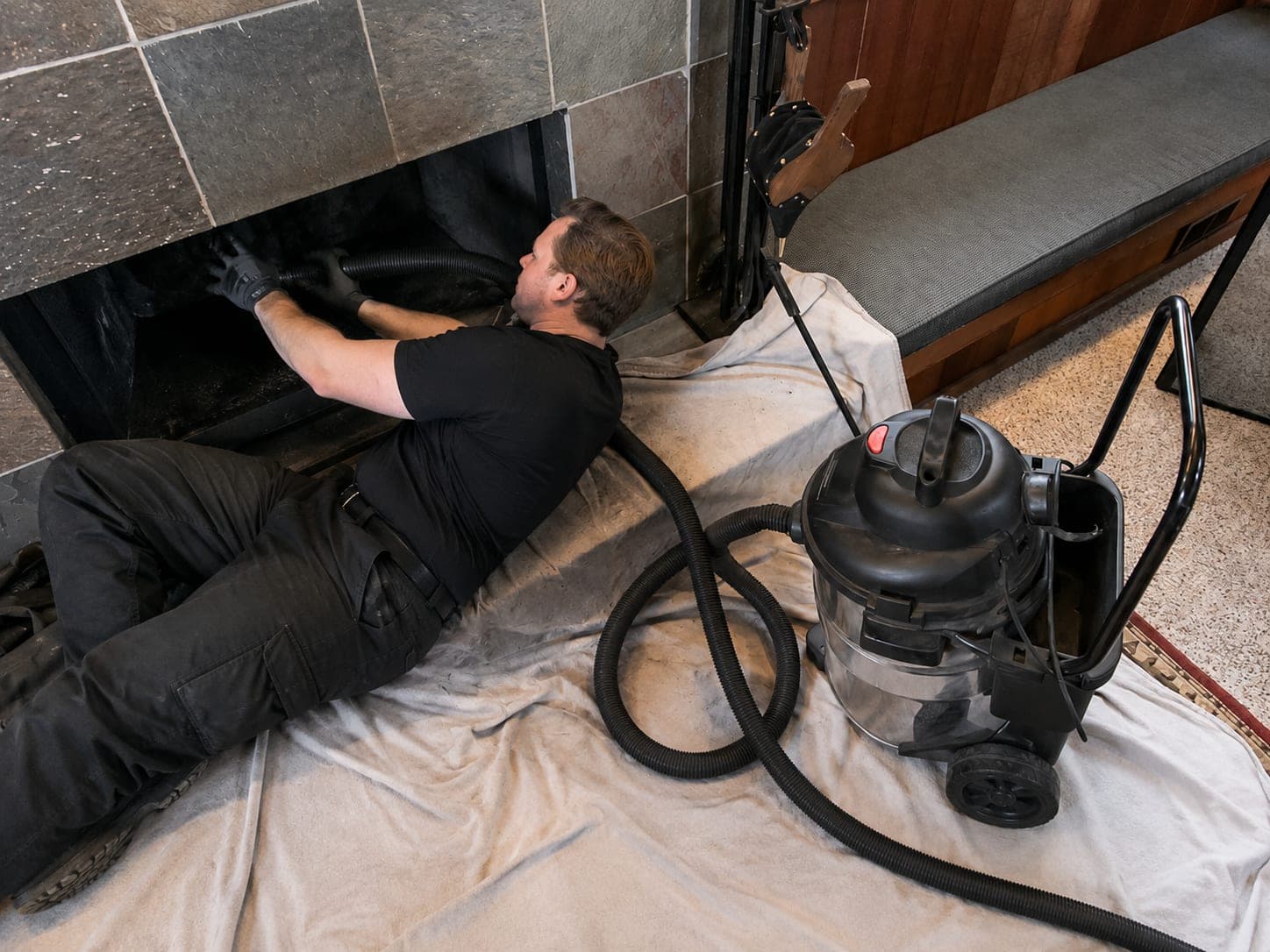
Creosote forms whenever wood burns, and it builds up faster with wet wood, smoldering fires and cold flues. Light, sooty deposits sweep out easily. Hard, glazed creosote takes more work. If you want to know what that work involves, here is how creosote is cleaned off flue walls. Regular annual chimney cleaning keeps buildup from reaching a dangerous level.
Animals are a different kind of blockage. Birds and small mammals see an uncapped flue as shelter. If you hear activity inside the chimney, don't light a fire to drive them out. Read about removing animals and nests from a chimney before you do anything, then plan for a cap or animal screen so it doesn't happen again.
Why early chimney problem detection matters
Chimney repairs tend to grow over time. The benefits of early chimney problem detection are practical:
- Smaller repairs. Sealing a crown or replacing flashing is far less involved than rebuilding a chimney top or repairing interior water damage.
- Fewer fire risks. Creosote buildup and flue cracks are found before they can contribute to a chimney fire.
- Healthier indoor air. Draft problems and blockages are fixed before smoke or gases become routine.
- Less hidden damage. Water caught early doesn't get the chance to rot framing, stain drywall or rust metal parts.
- Better decisions. You can plan and budget for repairs instead of reacting to an emergency. If cost is on your mind, our guide on what a chimney sweep typically costs explains what affects the price.
How to catch chimney problems early
Fire safety standards widely recommend an inspection once a year, whether or not you use the fireplace much. A full chimney inspection looks at the parts you can't see from the ground or the hearth. Between inspections, these signs mean it's time for a closer look:
Warning signs and what they usually point to
01Smoke in the room
- What you may notice
- Smoke spills from the fireplace opening, or the house smells smoky when the fireplace is off
- How it’s confirmed
- Damper check, flue camera inspection, review of house pressure and chimney height
02Heavy deposits or strong odor
- What you may notice
- Flaky or shiny black buildup in the firebox or flue, a sharp campfire smell in humid weather
- How it’s confirmed
- Visual and camera check of creosote depth and type, followed by sweeping
03Moisture signs
- What you may notice
- Wall or ceiling stains near the chimney, white residue on brick, rust on the damper or firebox
- How it’s confirmed
- Inspection of the crown, cap, flashing and mortar joints from the roof
04Noises or debris
- What you may notice
- Scratching, chirping, twigs or nesting material falling into the firebox
- How it’s confirmed
- Flue inspection to locate the nest or animal before any removal
How to avoid chimney problems between each checkup
Preventing problems between each chimney checkup mostly comes down to good burning habits and a few quick visual checks.
Simple habits that help avoid chimney problems
- Burn only dry, seasoned hardwood. Never burn trash, cardboard, treated wood or holiday wrapping.
- Build hot, active fires instead of letting the fire smolder with the air shut down.
- Open the damper fully before lighting and close it when the fireplace is cold to keep out rain and drafts.
- Look up the flue with a flashlight now and then for buildup, debris or light coming through where it shouldn't.
- Check the chimney from the ground after big storms for missing caps, leaning sections or loose brick.
- Watch for new stains on walls and ceilings near the chimney, especially after heavy rain.
- Keep tree branches trimmed back from the top of the chimney.
- Make sure a cap is in place to keep out rain, animals and debris.
Issues caused by deteriorated chimney chase tops
Factory-built (prefab) fireplaces often sit inside a framed chase with a metal cover on top. When that cover is flat, thin or poorly sealed, water pools on it and rust follows. Problems it can cause include:
- Rust stains streaking down siding.
- Water dripping into the chase, soaking framing and insulation.
- Corrosion of the metal chimney pipe and the fireplace unit itself.
- Rotted chase framing that eventually needs rebuilding.
A replacement cover with a slight slope or raised center and a drip edge sheds water much better than a flat one.
Winter chimney care tips for ice and snow issues
- Never chip ice off a chimney or flashing with tools; you can crack brick or tear metal.
- Watch for ice dams near the chimney, which can force meltwater under flashing.
- Check that snow has not blocked a cap or the top of a gas vent, especially after heavy storms.
- Burn only dry, seasoned wood. Cold flues and wet wood produce more creosote.
- After a major storm, look for leaning, missing bricks or a displaced cap from a safe spot on the ground.
Possible chimney issues to check before the first fire or a home purchase
Before you light the season's first fire or close on a house
- Flue has been swept and inspected within the past year
- Cap is present, secure and not rusted through
- Crown has no visible cracks or missing chunks
- Flashing is tight with no gaps or rust
- Damper opens and closes fully
- Firebox brick and mortar are intact, with no gaps
- No water stains near the chimney inside the house
- Working smoke and carbon monoxide alarms on every level
If you are buying a home, an inspection focused on the chimney catches problems a general home inspection may not reach. Here is what a chimney inspection covers.
How the fix depends on the cause
To solve chimney problems caused by different failures, you have to treat the cause, not just the symptom. Repainting a water stain or sweeping a flue that has a structural draft problem only buys time.
| Cause | Typical solution |
|---|---|
| Cracked or crumbling crown | Crown repair or rebuild, sometimes with waterproofing |
| Failed flashing | Flashing repair or replacement where the chimney meets the roof |
| Open or eroded mortar joints | Tuckpointing; badly damaged sections may need partial rebuilding |
| Missing or damaged cap | Chimney cap installation or replacement, with an animal screen |
| Cracked or deteriorated flue liner | Liner repair or a new liner installation |
| Heavy creosote | Professional sweeping and creosote removal, plus better burning habits |
| Broken or stuck damper | Damper repair |
| Draft problems tied to the fireplace | Fireplace draft, firebox or smoke chamber repair |
For more on the issues covered here, see our companion guide to common chimney issues. If you've noticed any of these warning signs, get in touch to request a free estimate. We accept emergency calls around the clock, Sunday through Friday and offer same-day service when the schedule allows.