On this page
What a flue system inspection covers
Your flue carries smoke and combustion gases out of the house. A flue system inspection follows that passage from the firebox or stove connector up to the cap. It looks for anything that could let heat, sparks or gases escape where they shouldn't.
| Area | What we look for |
|---|---|
| Liner | Cracks, gaps between tiles, missing mortar, corrosion in metal liners |
| Interior walls | Creosote buildup, glazed deposits, heavy soot |
| Obstructions | Nests, leaves, fallen debris, collapsed tiles |
| Connector and thimble | Loose joints and rust at stove or appliance connections |
| Top of the chimney | Condition of the cap, crown and screen, and signs of water entry |
Cracked tiles and glazed creosote are among the common chimney issues that only show up from inside the flue. When the view from the top and bottom isn't enough, we run a camera up the flue so offsets and hidden sections can be seen clearly. The flue is one part of a full chimney inspection service. If your concern is mainly the firebox, damper and surround, see how fireplace inspection works.
Certified flue and safety inspection: questions worth asking
Many people search for a certified flue and safety inspection. The word on a listing tells you less than the answers to a few direct questions. Ask any inspector which credentials they hold, what level of inspection they're quoting, whether a camera will be used, and what kind of findings you'll receive. A thorough inspection should leave you knowing, in plain terms, what was checked and what was found.
How the visit works
Cracks in a liner or crown are often invisible from the room but let heat and water through. Buying or selling a home is a common reason to document the chimney's condition.
Ask about the system
What you burn, how often, and anything you've noticed sets what to look at closely.
Check from the room
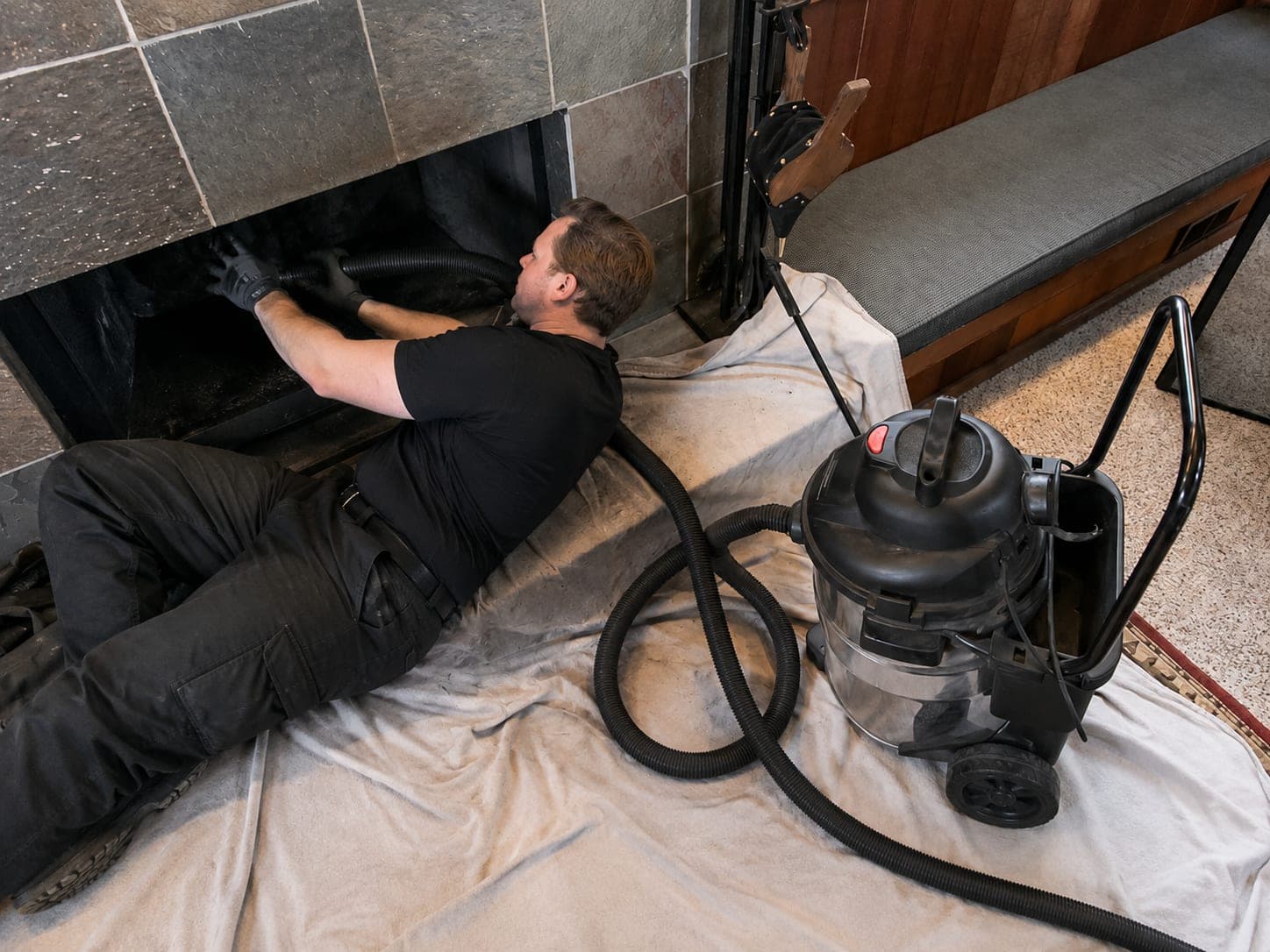
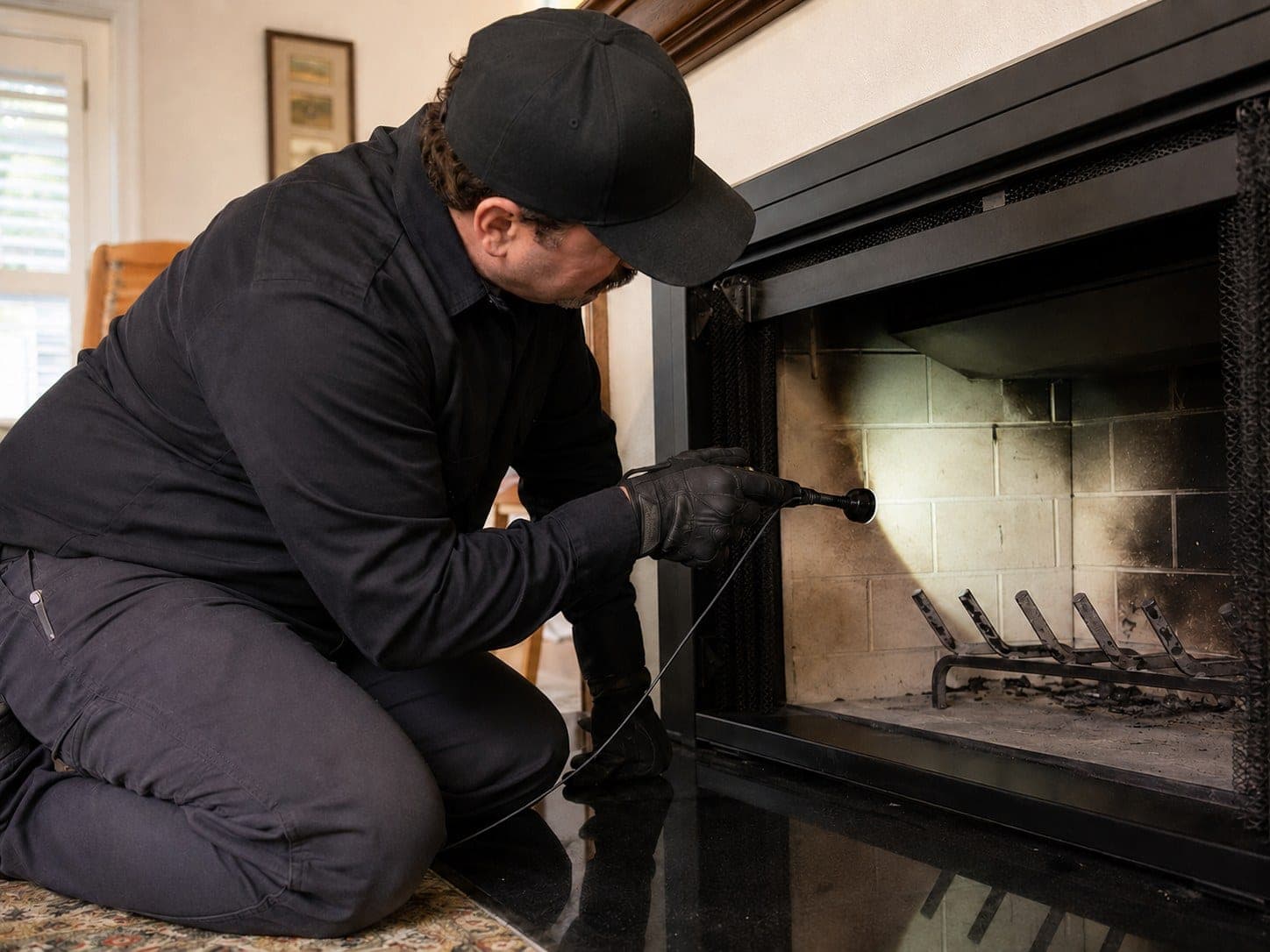
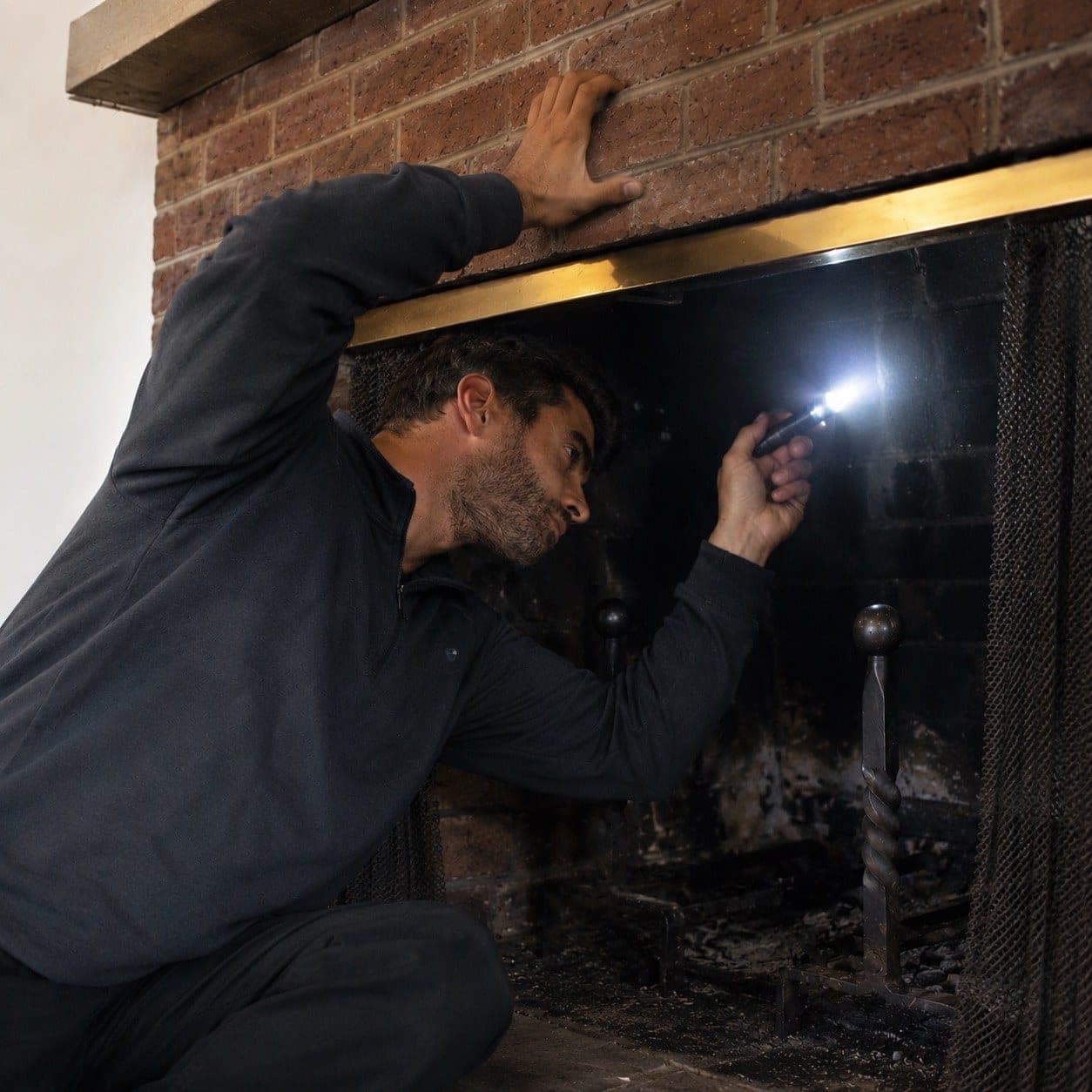
Firebox, damper, smoke chamber and the lower flue are examined with a light.
Check from outside
Crown, cap, flashing and the masonry above the roof are looked at where it is safe to reach.
Go further where needed
A camera can be run up the flue when the liner can't be seen any other way.
Report
You get the findings in plain terms: what's urgent, what can wait, and what's fine.
Before the technician arrives
- Make sure the technician can reach the roof or attic access if it's needed.
- Let the fireplace or stove cool completely — ideally no fire for 24 hours before the visit.
- Clear a few feet of space in front of the hearth or appliance.
- Write down what you've noticed and when it happens — smells, smoke, sounds or stains.
Signs to watch for
- Water stains, a damp smell or flaking brick near the chimney
- It has been more than a year since the last inspection
- Smoke in the room or a fire that won't draw
- You're switching fuel or adding an insert or stove
What we look at
- Flue liner for cracks, gaps and missing mortar
- Flashing where the chimney meets the roof
- Crown for cracks and pooling water
- Cap, screen and spark arrestor
- Firebox walls, floor and joints
Signs of a chimney fire
A loud roaring sound, dense smoke or sparks from the top of the chimney can mean a chimney fire. Get everyone out and call 911; have the chimney inspected before the next fire.
Flue inspection across Connecticut
Flue inspection in Connecticut
We inspect flues for homeowners in Hartford and across Connecticut. That includes fireplaces that haven't been used in years and wood stoves that run all winter. Same-day visits are offered when the schedule allows. During a chimney fire, get everyone out and call 911 first. Emergency calls are accepted around the clock, Sunday through Friday, which matters if you've had a chimney fire, smelled smoke where it shouldn't be, or found water or debris in the firebox.
Towns east and west of the city
Homeowners in the towns on either side of Hartford get the same inspection, with the same checks and the same honest explanation of what we found. If you're buying or selling, a real estate chimney inspection focuses those flue checks on what matters before closing. Want to start small? Our budget chimney inspection covers the essentials. Our guide to common Chimney Problems explains what the most frequent findings mean.