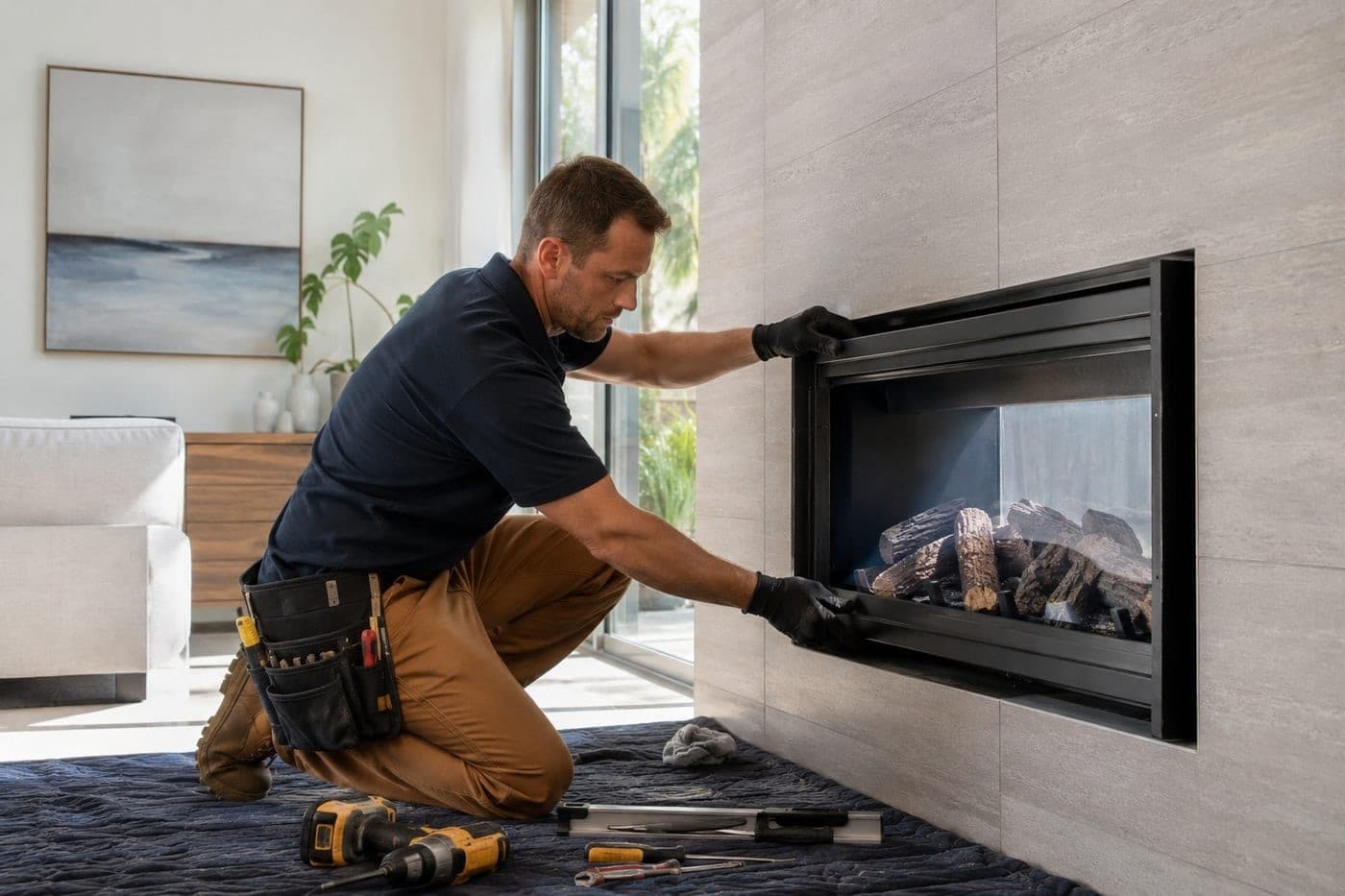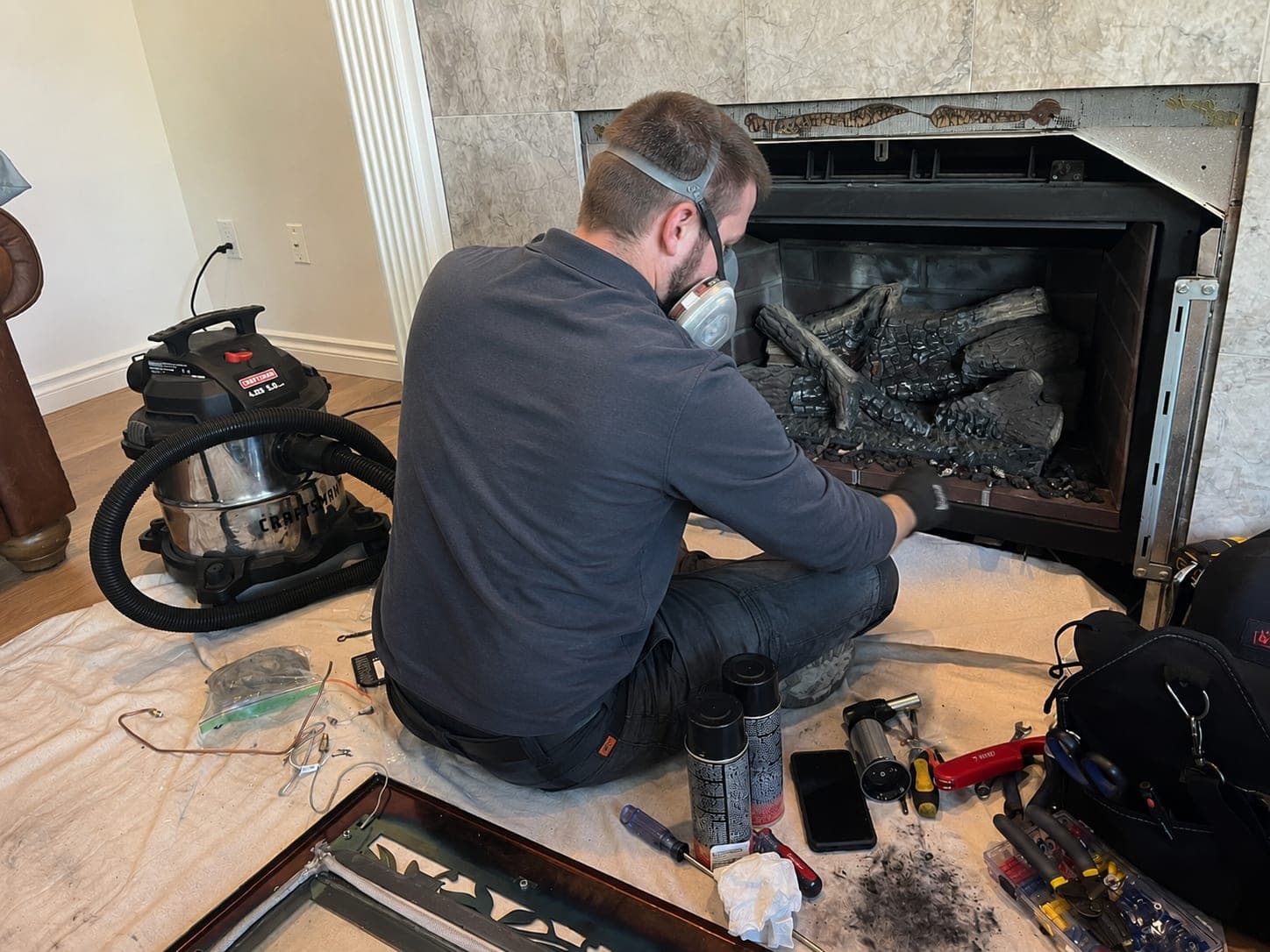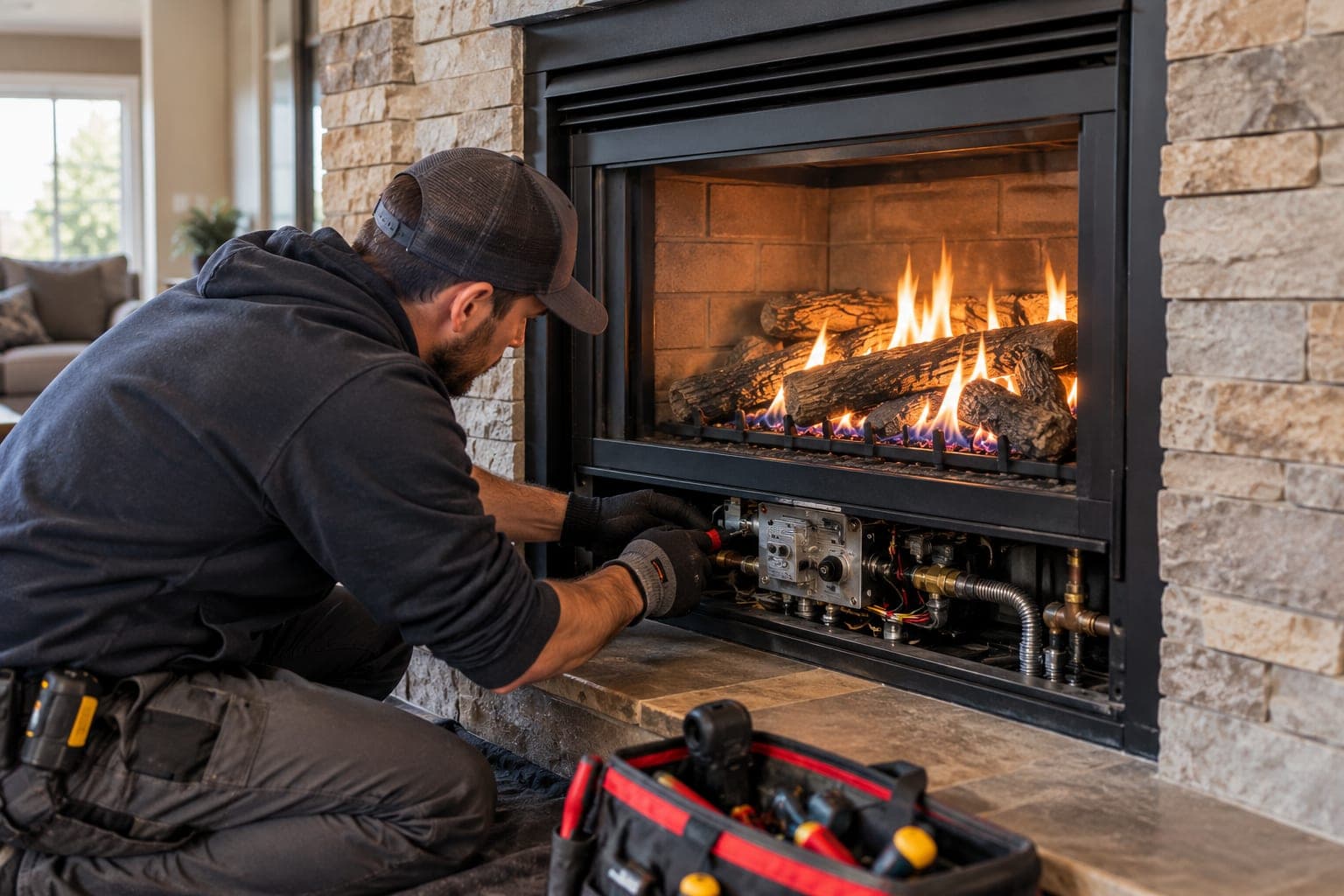
The short answer to whether a gas fireplace needs regular service is yes. Gas appliances avoid the heavy soot and tar buildup of wood fires, but they bring their own concerns: a gas supply, an ignition system, sealed glass and a vent that must carry combustion gases, including carbon monoxide, safely outside. This guide explains what that care involves, how it differs by fireplace type, and how to tell when something is off.
Yes, gas fireplaces need to be inspected annually
Most gas fireplace manufacturers call for a yearly check by a qualified technician in their owner's manuals, and the widely used fire safety standard for chimneys and vents (NFPA 211) recommends an annual inspection of chimneys, fireplaces and vents regardless of fuel. The reasoning is simple: problems with gas appliances are often invisible until they become serious. A partly blocked vent, a weak thermocouple or a loose glass gasket rarely announces itself before it affects safety or performance.
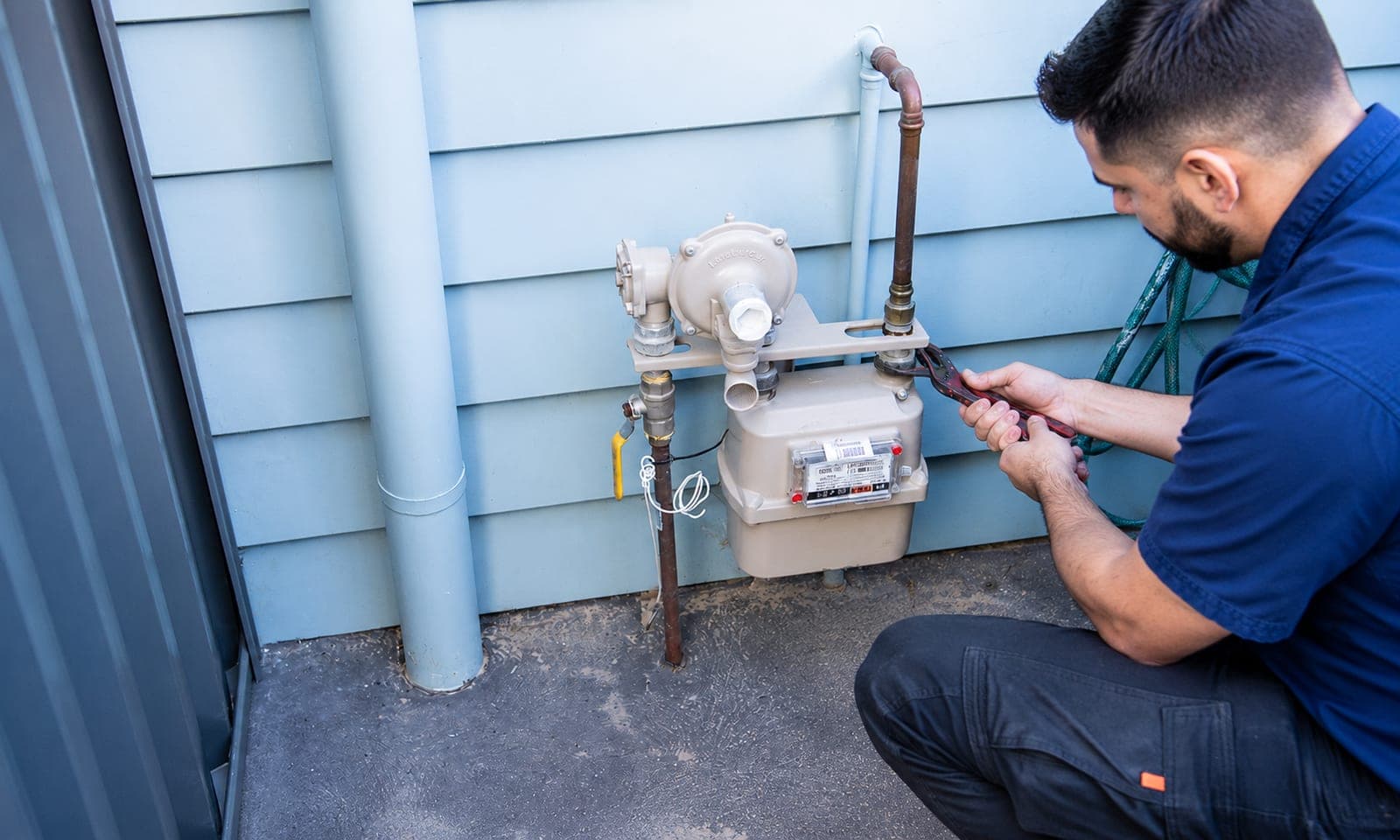
Pilot assemblies, thermopiles and igniters wear gradually, and catching that wear during a scheduled check is far easier than troubleshooting a cold fireplace in January.
What an annual gas fireplace service typically covers
- Checking gas connections and the valve for leaks
- Cleaning the pilot assembly and confirming a steady, properly shaped pilot flame
- Testing the thermocouple or thermopile and the ignition system
- Cleaning burner ports and checking flame color and pattern
- Inspecting and correctly repositioning logs, embers or glass media
- Cleaning the glass and checking the gasket and seal
- Inspecting the vent, liner or chimney for blockages, corrosion and separation
- Checking the exterior vent termination or cap for nests, debris and damage
- Confirming the remote, wall switch or thermostat works as intended
- Reminding you to test carbon monoxide and smoke alarms
Why gas fireplace chimneys still need care
Gas fireplace chimneys still need attention because the vent is the part that protects your household. Natural gas burns cleaner than wood, but combustion still produces water vapor, carbon dioxide and, if the burn is off, carbon monoxide. Those gases have to leave the house through a clear, intact path.
- Blockages: Birds, squirrels and other animals nest in vent caps and open flues. Leaves and storm debris collect at terminations.
- Moisture and corrosion: Gas combustion produces a lot of water vapor. In an unlined or poorly lined masonry chimney, that moisture can condense and break down mortar and flue tile over time.
- Separated or damaged vent pipe: Direct-vent and B-vent pipes can shift, rust or come apart, letting exhaust escape where it shouldn't.
- Masonry wear: Gas logs set in an old wood-burning fireplace sit inside the same brick structure, which can still develop cracked fireplace brick or deterioration higher up that calls for fixing a broken smoke chamber.
If you're not sure where the firebox ends and the smoke chamber, flue and crown begin, our guide to fireplace anatomy walks through each part and what it does.
How care differs by type of gas fireplace
| Type | How it vents | Main upkeep focus |
|---|---|---|
| Direct-vent insert or built-in | Sealed glass front; coaxial pipe through wall or roof | Glass seal and gasket, vent termination, pilot and burner cleaning |
| B-vent (natural vent) | Draws room air; exhausts through a vertical vent or flue | Vent condition and draft, spillage of exhaust into the room |
| Gas logs in a masonry fireplace | Uses the existing chimney; damper must stay open or be clamped | Chimney liner, masonry, damper stop, log placement, soot |
| Vent-free (ventless) | No vent; exhausts into the room | Burner and oxygen depletion sensor cleanliness, room ventilation, odor and moisture |
Identifying signs your fireplace needs attention
Between annual checks, watch how your fireplace looks, sounds and smells. Any of the signs below means your fireplace needs attention sooner rather than later.
| What you notice | What it can mean |
|---|---|
| Tall, lazy yellow or orange flames | Incorrect gas-air mix, dirty burner ports or misplaced logs |
| Black soot on the glass, logs or wall above the opening | Incomplete combustion or poor venting |
| Pilot won't stay lit or goes out repeatedly | Worn thermocouple or thermopile, dirty pilot, drafts in the vent |
| Delayed ignition or a small pop when lighting | Clogged burner or pilot, gas building up before it lights |
| Rotten-egg smell | Possible gas leak; treat as an emergency |
| Musty, stale or burning odors | Moisture in the chimney, debris on the burner, or animal activity |
| Condensation inside the glass that doesn't clear | Venting or sealing problems |
| If a carbon monoxide alarm sounds, get everyone outside and call 911. | Exhaust entering the home; leave and call 911 |
| Rust, cracked glass or loose doors | Corrosion, seal failure or physical damage |
| Chirping, scratching or debris falling into the firebox | Animals or nests in the vent or chimney |
If you smell gas
Don't light anything or flip switches. Leave the house, then call your gas utility or 911 from outside. Have the fireplace inspected before using it again.
A light white film on the glass is common with many gas units and comes from minerals in the gas. It isn't usually dangerous, but if left for months it can etch the glass permanently, so clean it with a product made for fireplace glass.
When a gas fireplace needs more frequent service
Once a year suits most households. Some situations call for more frequent fireplace checks:
- You use the fireplace as a main heat source or run it daily through the cold months
- It's a vent-free unit, which relies on clean burners and a working oxygen sensor
- You have pets, heavy dust or recent renovation work that can foul burners and pilots
- The unit sat unused for a year or more
- A storm damaged the roof, vent cap or chimney
- You notice any of the warning signs above
- You're buying or selling a home and need a clear picture of the system's condition
- It's a rental, where tenants may not report problems promptly
What about a fireplace you rarely use?
An unused fireplace still needs a look before it's lit again. Idle vents attract nests, spiders sometimes build webs in pilot and burner openings, and moisture can work on masonry and metal parts whether or not you light a fire.
Gas fireplace service vs. Do-It-Yourself care
| Feature | Homeowner | Technician |
|---|---|---|
| Glass | Clean with fireplace glass cleaner once cool | Check gasket, seal and glass for cracks |
| Logs and media | Dust gently; don't rearrange | Reposition to manufacturer layout |
| Pilot and burner | Note flame color and behavior | Clean, test and adjust components |
| Vent and chimney | Look at the outside cap for visible debris | Inspect full vent path and liner |
| Gas supply | Never adjust or disconnect | Leak-check connections and valve |
| Alarms | Test CO and smoke alarms monthly | Confirm placement near the fireplace |
Glass
- Homeowner
- Clean with fireplace glass cleaner once cool
- Technician
- Check gasket, seal and glass for cracks
Logs and media
- Homeowner
- Dust gently; don't rearrange
- Technician
- Reposition to manufacturer layout
Pilot and burner
- Homeowner
- Note flame color and behavior
- Technician
- Clean, test and adjust components
Vent and chimney
- Homeowner
- Look at the outside cap for visible debris
- Technician
- Inspect full vent path and liner
Gas supply
- Homeowner
- Never adjust or disconnect
- Technician
- Leak-check connections and valve
Alarms
- Homeowner
- Test CO and smoke alarms monthly
- Technician
- Confirm placement near the fireplace
Weighing repair, replacement or a different option
Sometimes the annual check reveals a unit that's worn out or a setup that doesn't fit how you heat your home. If you want to compare heat output and running costs across fuel types, our efficient fireplace guide covers the trade-offs. Some homeowners skip gas entirely in certain rooms, and an electric unit through electric fireplace installation avoids venting needs altogether, while existing electric units can be handled with electric fireplace repair. If a wood stove or insert also heats your home, wood fireplace repair addresses those appliances.
Need help with gas fireplace service?
If your gas fireplace is due for its yearly check or showing any of the signs above, get in touch to request a free estimate; same-day service is offered when the schedule allows, and emergency calls are accepted around the clock, Sunday through Friday.