What gas fireplace embers are and why they matter
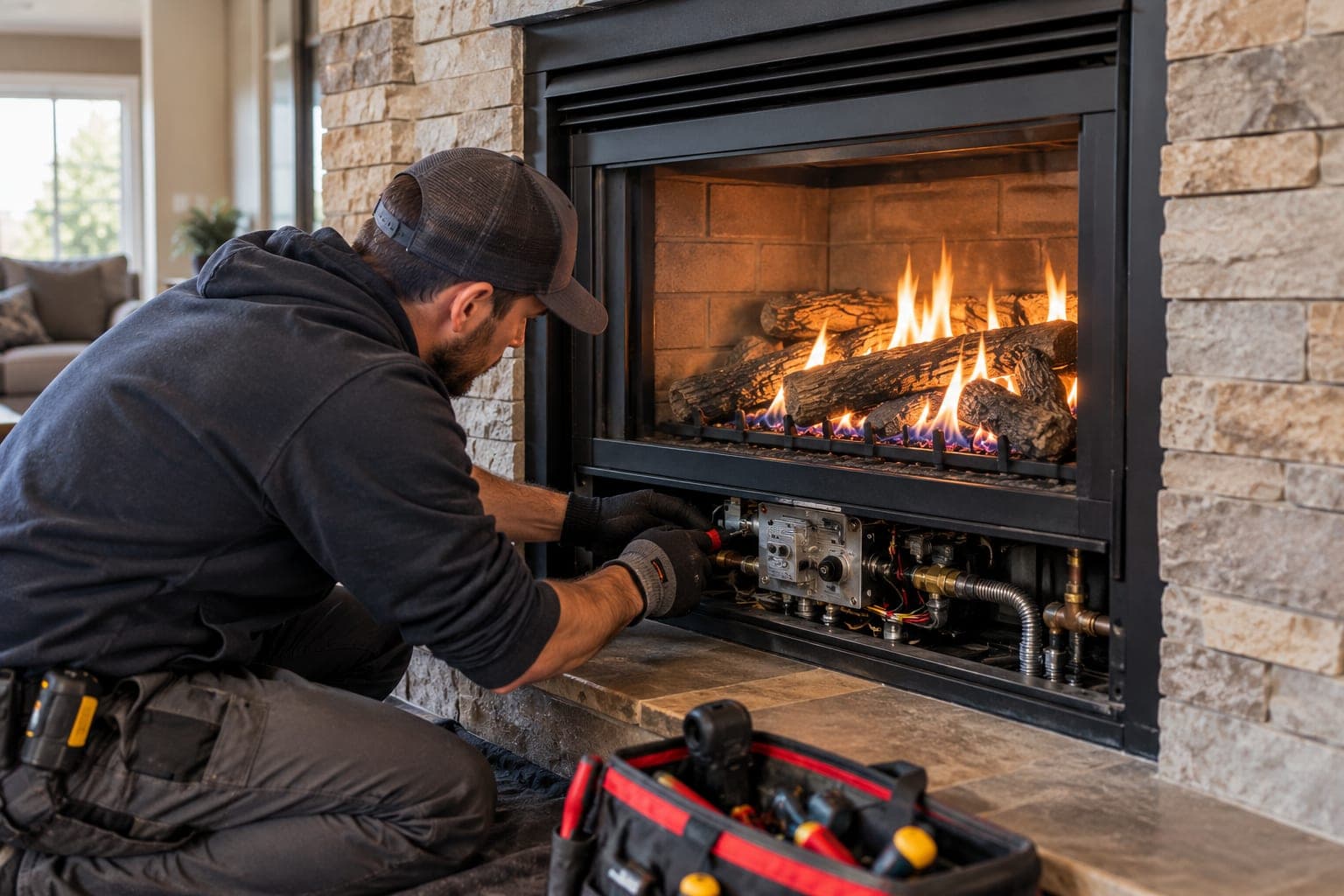
Embers are the small pieces of material placed on or near the burner of a gas fireplace or gas log set. When the flame touches them, they glow orange and red, which makes the fire look like a bed of coals instead of a row of blue jets. They're decorative, but they also sit right next to the flame. Too much material, or the wrong kind, can affect how cleanly the gas burns.
Most gas fireplace ember media falls into a few types:
- Rock wool or mineral wool embers: fluffy fibers pulled into small tufts and placed on the burner. They glow brightly but break down over time and need periodic replacement.
- Vermiculite granules: small, light flakes spread across the burner pan, often used together with rock wool.
- Lava rock or ember rock: heavier pieces that cover the burner pan and help spread the flame.
- Glass media and decorative stones: common in modern linear fireplaces, where they shape the look of the flame more than they glow.
- Manufacturer ember kits: pre-packaged media designed for a specific burner and log set.
If you're not sure which parts of your unit are which, our guide to fireplace anatomy explains the burner, firebox, venting and controls in plain terms.
What affects gas fireplace embers cost
There's no single price for embers, and anyone quoting one without knowing your appliance is guessing. The cost comes from a combination of the material, the brand and the labor around it. Here's what moves the number up or down:
| Factor | Why it matters |
|---|---|
| Type of media | Rock wool is a consumable that wears out. Glass and stone last longer but take more material to fill a burner pan. |
| Brand-specific vs. generic | Many manufacturers list specific ember media for each model. Branded kits usually cost more than generic packs and may need to be ordered. |
| Amount needed | A traditional log set may need only a few tufts. A long linear burner can need a full layer of media. |
| Condition of the burner | Clogged ports, soot or a dirty pilot assembly add cleaning time beyond just swapping embers. |
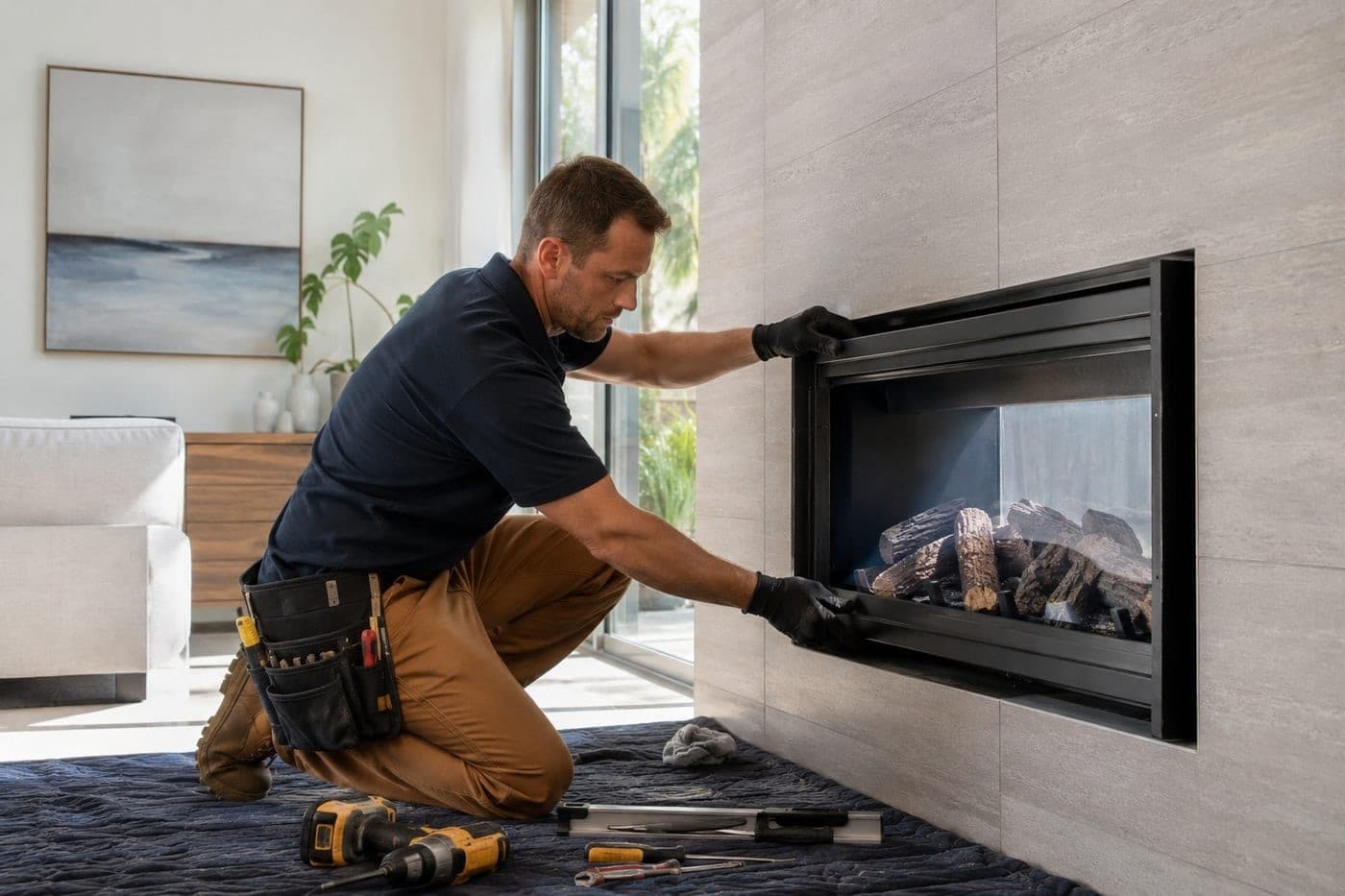
| Glass and access | Most sealed units require removing the glass front to reach the burner, and gaskets may need checking. |
| Underlying problems | If embers are wearing out fast or sooting up, the real cost may be fixing the cause, not the embers. |
Gas fireplace embers services vs. doing it yourself
| Feature | Doing it yourself | Professional service |
|---|---|---|
| Main cost | Ember material only | Material plus labor for the full visit |
| What gets checked | Only what you can see | Burner, pilot, venting, glass, gaskets and controls |
| Risk | Over-packing embers can block burner ports and cause sooting | Placement follows the manufacturer's instructions |
| Best for | A simple log set where the manual shows clear placement | Sealed units, sooting, weak glow or any combustion concern |
Main cost
- Doing it yourself
- Ember material only
- Professional service
- Material plus labor for the full visit
What gets checked
- Doing it yourself
- Only what you can see
- Professional service
- Burner, pilot, venting, glass, gaskets and controls
Risk
- Doing it yourself
- Over-packing embers can block burner ports and cause sooting
- Professional service
- Placement follows the manufacturer's instructions
Best for
- Doing it yourself
- A simple log set where the manual shows clear placement
- Professional service
- Sealed units, sooting, weak glow or any combustion concern
Gas fireplace service cost: what a visit usually covers
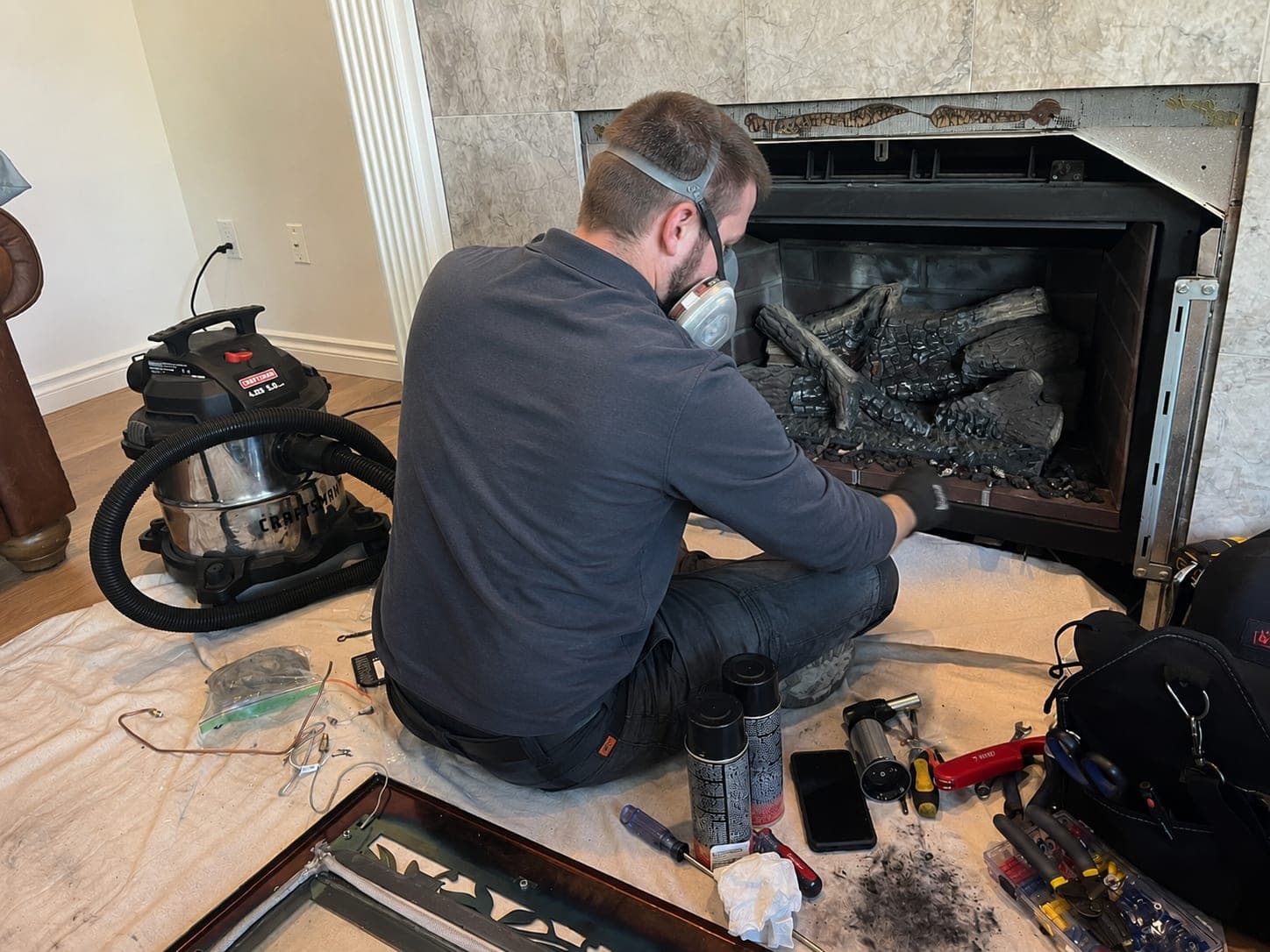
Embers are rarely the only thing worth looking at. A full gas fireplace service and maintenance visit usually rolls ember replacement into a broader check, which is why gas fireplace service cost varies more than the cost of the embers alone. A typical visit includes:
Common items in a gas fireplace service visit
- Remove and clean the glass front, and check the gasket seal
- Inspect the logs for cracks, and reposition them per the manual
- Clean the burner and check that the ports are open
- Refresh or replace ember media in the correct amount and placement
- Check the pilot assembly, thermocouple or thermopile
- Look over the vent termination and venting for blockage or damage
- Watch a full burn cycle for flame color, height and sooting
How fireplace service company cost is put together
When you compare quotes, look at what's included rather than just the total. One company may price the visit, parts and any repair separately. Another may quote a single figure. Ask whether ember media is included, whether parts must be ordered, and what happens if the technician finds a problem mid-visit. Brand also matters for parts and know-how, whether you have a gas unit, an electric unit or a stove that needs wood fireplace repair. Estimates from our team are free, so you can see the scope before you commit.
Custom gas fireplace embers and decorative media
Custom gas fireplace embers, such as colored glass, polished stones or mixed media, can change the look of a fireplace a lot. The catch is that the burner was tested with specific materials. Swapping in something different can change how the flame spreads and burns.
Check the listing before customizing
Only use media your manufacturer lists for your burner. Unlisted materials can crack from heat, block burner ports, cause sooting, or create incomplete combustion. Decorative glass meant for a vase is not fireplace glass.
Outdoor gas fireplace embers services
Outdoor gas fireplaces face rain, wind, pollen, leaves and insects. Rock wool embers can soak up moisture and break down faster outdoors, and debris can settle into the burner pan. Many outdoor units use lava rock or glass for that reason. If you have an outdoor unit, ask when you request an estimate whether it's something we can look at. Outdoor units vary widely.
Electric fireplace embers cost
Electric fireplaces don't burn anything, so their "embers" are a lighting effect: an ember bed lit by LEDs or bulbs, sometimes with a moving glow. When the ember effect stops working, the cause is usually a failed light, a control board or wiring, not worn-out material. Electric fireplace embers cost is mostly about parts and diagnosis. Running costs come from electricity, not gas.
If your electric unit's flame or ember effect has gone dark, see our electric fireplace repair page. If you're weighing a new electric unit instead, read about electric fireplace installation.
Fireplace embers solutions: common problems and fixes
Working through ember problems in a gas fireplace
Embers don't glow
The flame may not be touching them, they may be worn out, or they may be the wrong material. Compare placement with the diagram in the manual.
Black soot on logs or glass
Often caused by over-packed embers, shifted logs or clogged burner ports. Turn the unit off and have it checked before continuing to use it.
Embers crumble quickly
Rock wool naturally wears down. Very fast breakdown can point to moisture, handling, or a burner issue.
Weak, yellow or lazy flames
This can signal combustion or venting problems that need professional attention, not just new embers.
Smell gas? Stop and get out
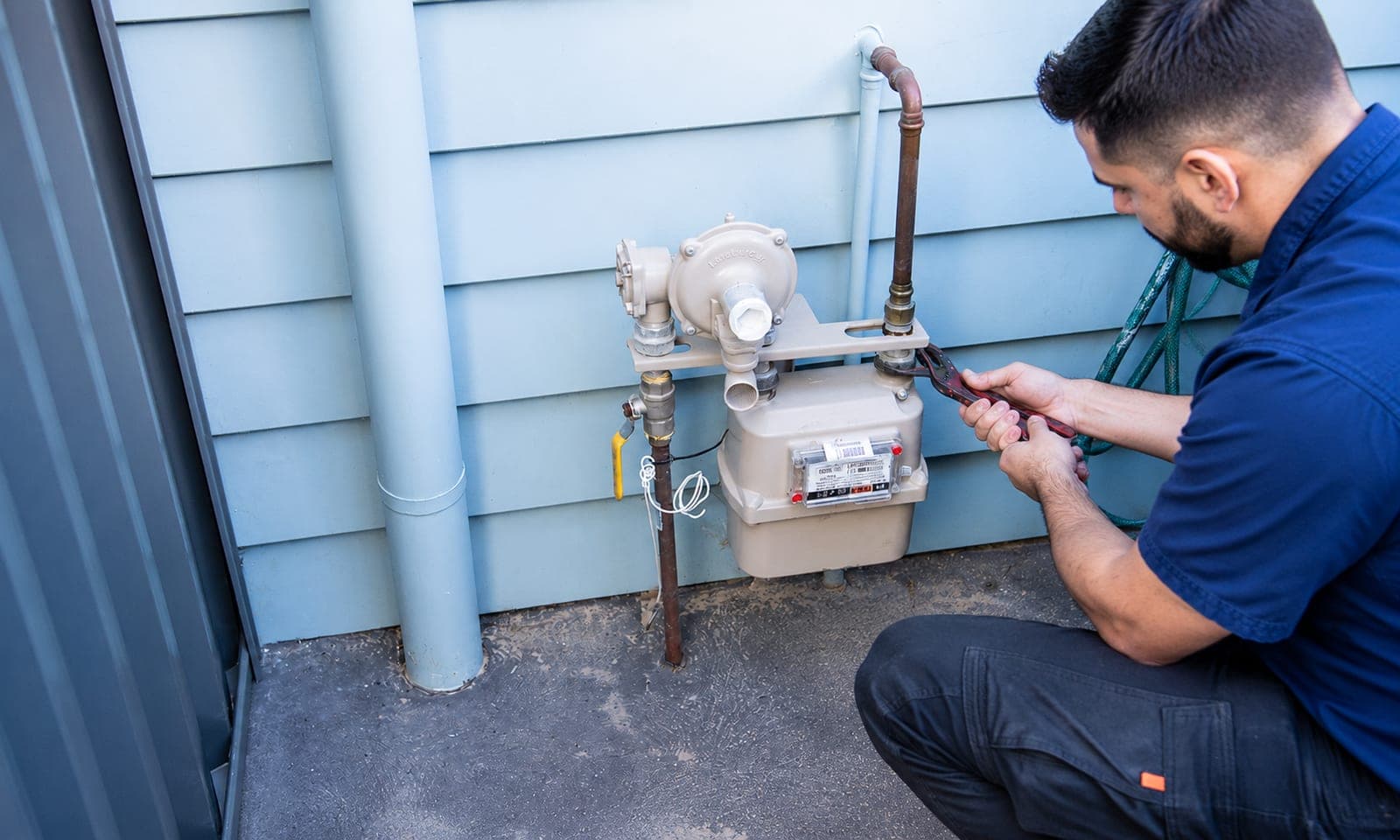
If you smell gas, don't use switches or the fireplace. Leave the house, then call your gas utility or 911 from outside. We accept emergency calls and are available 24 hours, Sunday through Friday for fireplace problems once the area is safe.
Gas log sets installed in an old masonry fireplace bring their own concerns. Venting smoke and gases still runs through the smoke chamber and flue, so it's worth knowing what causes broken fireplace smoke chamber damage. Heat-stressed firebox brick is another one to watch for. Here's more on cracked fireplace brick.
Are fireplaces cost effective?
It depends on the type of fireplace and what you want from it. A sealed, direct-vent gas fireplace can be an effective zone heater. An open masonry fireplace is mostly about ambiance, because much of its heat goes up the chimney. Electric units are cheap to install in many rooms but give modest heat.
| Feature | Gas (direct-vent) | Electric |
|---|---|---|
| Heat output | Usually meaningful zone heat | Modest supplemental heat |
| Ember upkeep | Media wears and needs periodic replacement | Lighting parts only, no media to replace |
| Venting | Requires proper venting | None |
| Routine service | Annual check recommended | Occasional, as needed |
Heat output
- Gas (direct-vent)
- Usually meaningful zone heat
- Electric
- Modest supplemental heat
Ember upkeep
- Gas (direct-vent)
- Media wears and needs periodic replacement
- Electric
- Lighting parts only, no media to replace
Venting
- Gas (direct-vent)
- Requires proper venting
- Electric
- None
Routine service
- Gas (direct-vent)
- Annual check recommended
- Electric
- Occasional, as needed
For a deeper look at heat output and fuel choices, see our guide to an efficient fireplace setup.
What to expect from a company providing gas fireplace embers services
Questions to ask before booking
- Will you identify my model and use the media the manufacturer lists?
- Is ember replacement part of a full service visit, or a separate item?
- Will you clean the burner and glass, and check the pilot and venting?
- If you find a problem, will you explain it and give an estimate before doing more work?
- Do parts for my brand need to be ordered?
If your embers have stopped glowing or your glass is sooting up, request a free estimate and we'll look at the whole unit, not just the ember bed.