Why fireplace bricks crack
Firebrick is made to handle heat, but it still expands and contracts each time a fire burns and dies down. Over years of fires, that cycling opens small cracks. A few things speed it up:
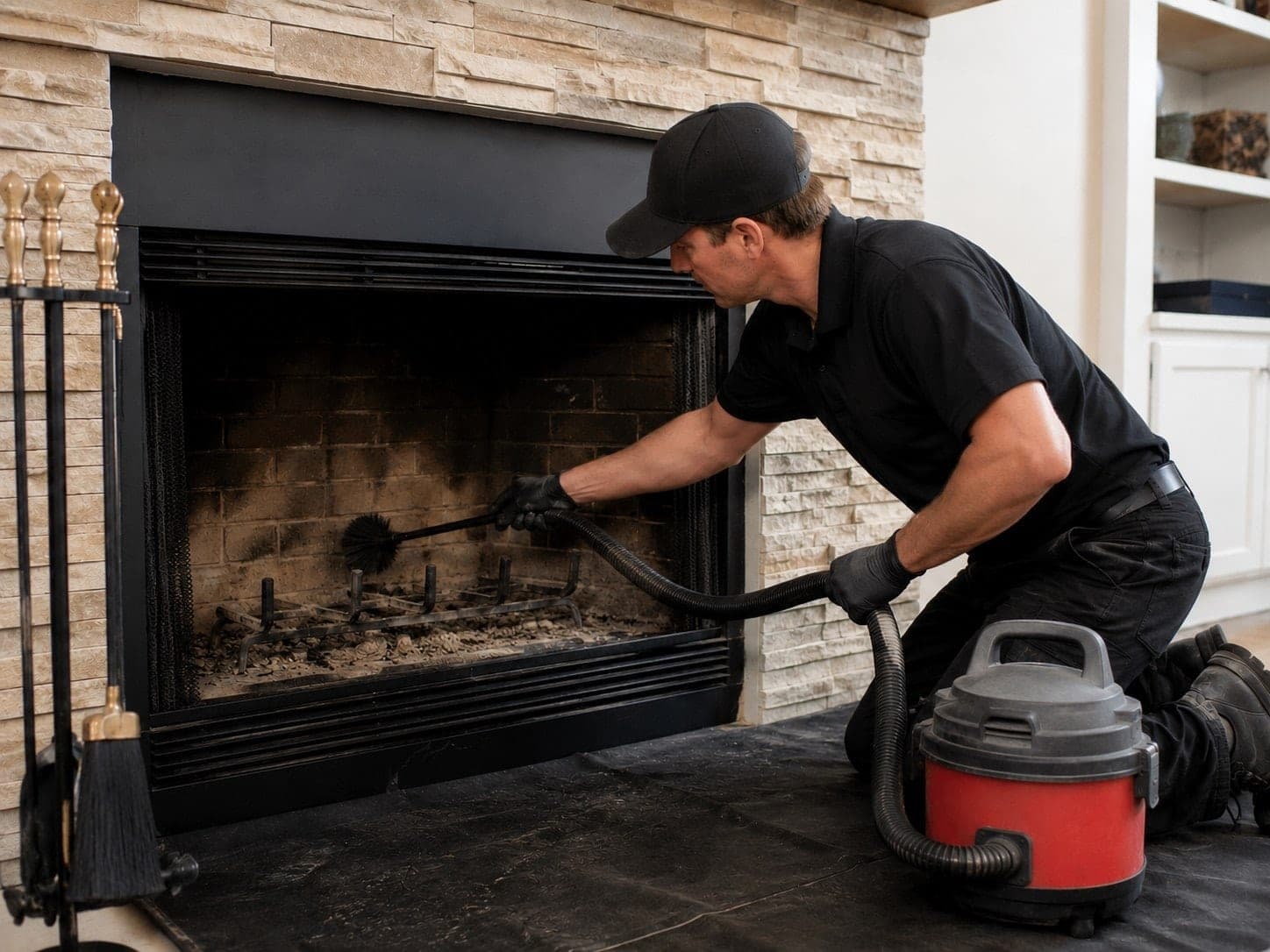
- Very hot or oversized fires built tight against the back wall
- Water getting into the firebox from above, often through a damaged cap or crown, and then being heated
- Impact from logs dropped onto the grate or the firebox floor
- Failed mortar joints that let bricks shift and press on each other unevenly
- Settling of the chimney or hearth, which shows up as cracks running across many bricks in a line
To see how the firebox fits with the hearth, damper and smoke chamber, this overview of fireplace anatomy lays it out.
Reading the crack
Which cracked fireplace bricks need repair
01Hairline crack in a single firebrick
- What you may notice
- Thin line, brick solid and flush, no missing mortar
- How it’s confirmed
- Pressing on the brick, then watching over a few fires to see if the crack widens. Have any firebox crack checked before you keep burning.
02Open or missing mortar joints
- What you may notice
- Gaps between bricks, sandy mortar collecting on the hearth
- How it’s confirmed
- Probing the joints for depth and checking for openings behind them
03Cracks lined up across several bricks
- What you may notice
- A stair-step or straight crack crossing courses, sometimes continuing into the hearth
- How it’s confirmed
- Following the crack beyond the firebox to the hearth, surround and chimney
04Cracked panel in a prefab fireplace
- What you may notice
- Brick pattern molded into one panel, with a crack across it or pieces missing
- How it’s confirmed
- Comparing against the manufacturer's guidance and looking for exposed metal
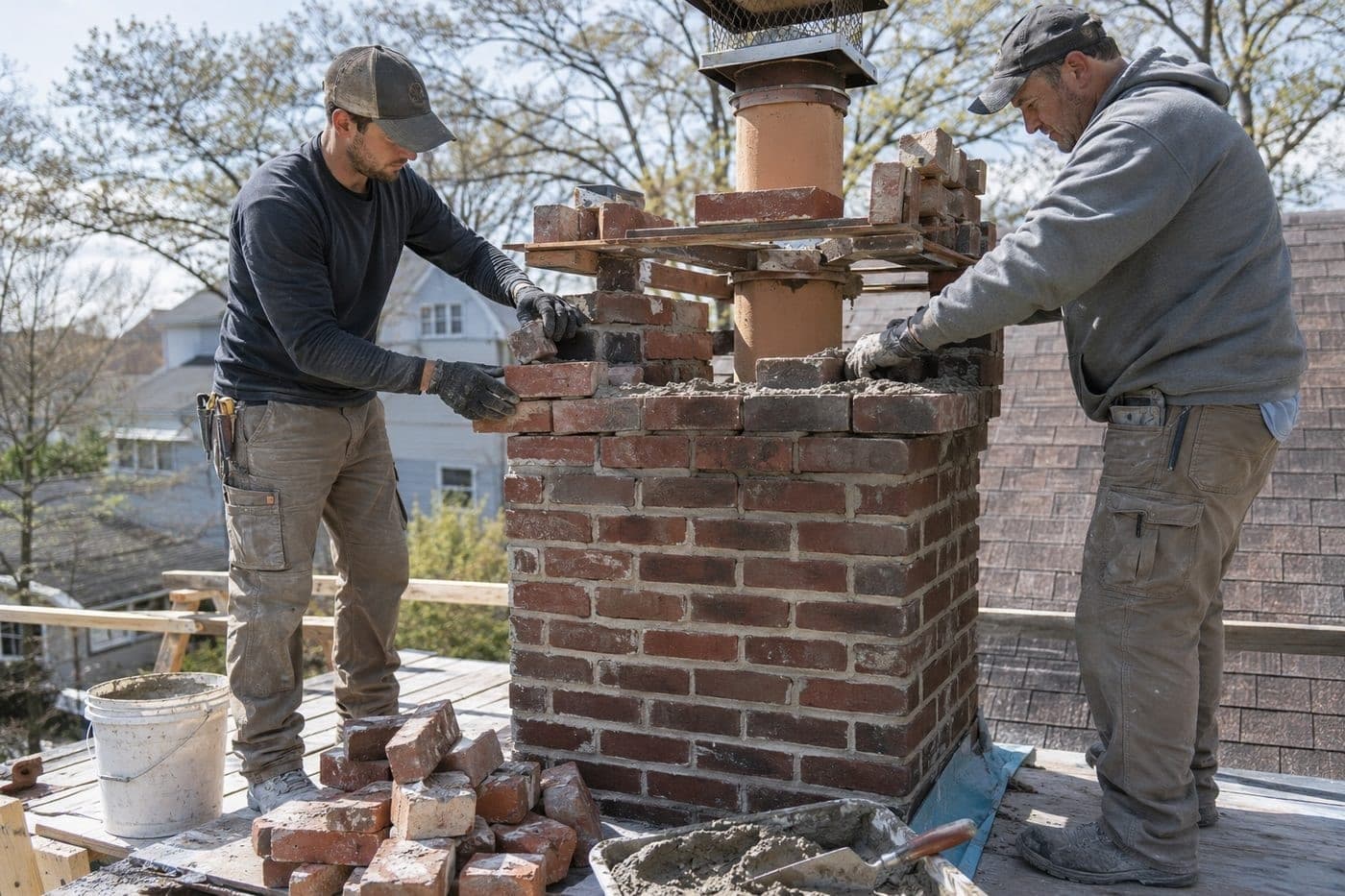
When cracks are open or spreading, the next step is firebox brick repair work. That covers repointing, replacing individual bricks and rebuilding a wall. For how firebrick, antique brick and ceramic panels are each handled, see repair options for cracked fireplace bricks.
When cracks point to a bigger decision
If most of the firebox is cracked or loose, you're choosing between rebuilding it and changing how you heat the room. A rebuilt firebox keeps a wood fire, while an electric unit avoids burning altogether. How an electric fireplace installation works explains that option, and what makes a fireplace efficient helps you weigh the two. Estimates are free, so you can price out both before deciding.
How the visit works
Cracks in the firebox let heat reach the framing behind it. Worn gaskets and glass on inserts and gas units waste heat and can leak exhaust.
Diagnosis
What is failing and why.
Options
Repair, replace a part, or reline — explained plainly.
Work
Done once you approve the scope.
Check
Draft and operation are tested afterwards.
Signs it's time for fireplace repair
- A damper that won't open or close
- Rust or warping inside the firebox
- Doors or glass that are cracked or don't seal
- A fireplace that is hard to light or won't stay lit
- Smoke coming into the room
Carbon monoxide
A blocked or damaged flue can push carbon monoxide into the home. If an alarm sounds or anyone feels dizzy or sick near the fireplace, get everyone outside and call 911.
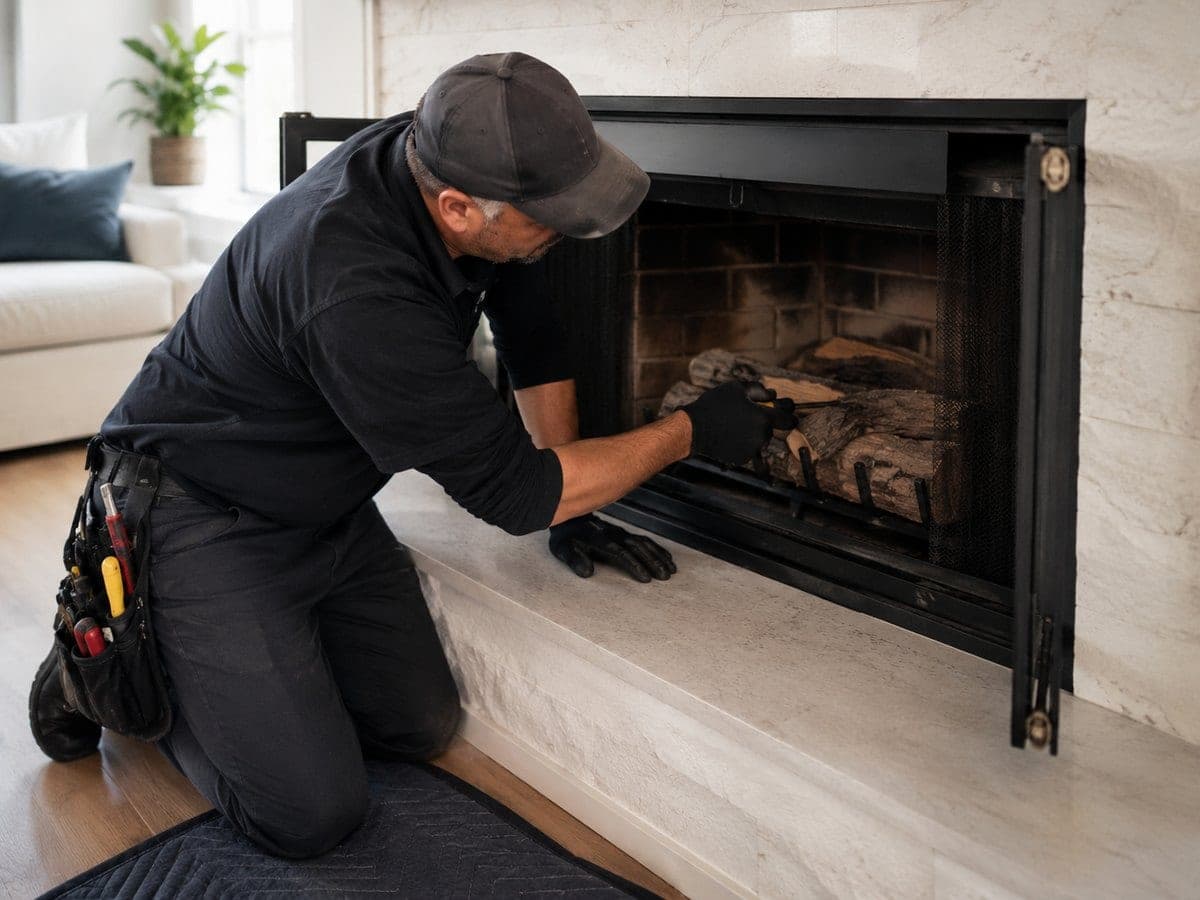
What the technician checks
- Hearth and surround
- Mortar joints inside the firebox
- Damper operation
- Firebrick or refractory panels
- Smoke chamber and smoke shelf
- Draft from the opening
- Doors, glass and gaskets