Most chimney damage happens slowly, out of sight. Creosote builds a little with every fire, water seeps into a hairline crack in the crown, and a metal chase top rusts until it holds a puddle. The importance of regular chimney inspections comes down to timing: problems found early are usually smaller, safer and simpler to fix than the same problems found after a chimney fire, a ceiling stain or a failed home sale.
Why a regular chimney inspection matters
A chimney does three jobs at once. It carries smoke and combustion gases out of the house, it keeps intense heat away from the wood framing around it, and it sheds rain and snow. A problem with any one of those jobs can go unnoticed for years. Carbon monoxide has no smell, heat transfer through a cracked liner happens inside the walls, and water damage often shows up far from where it started.
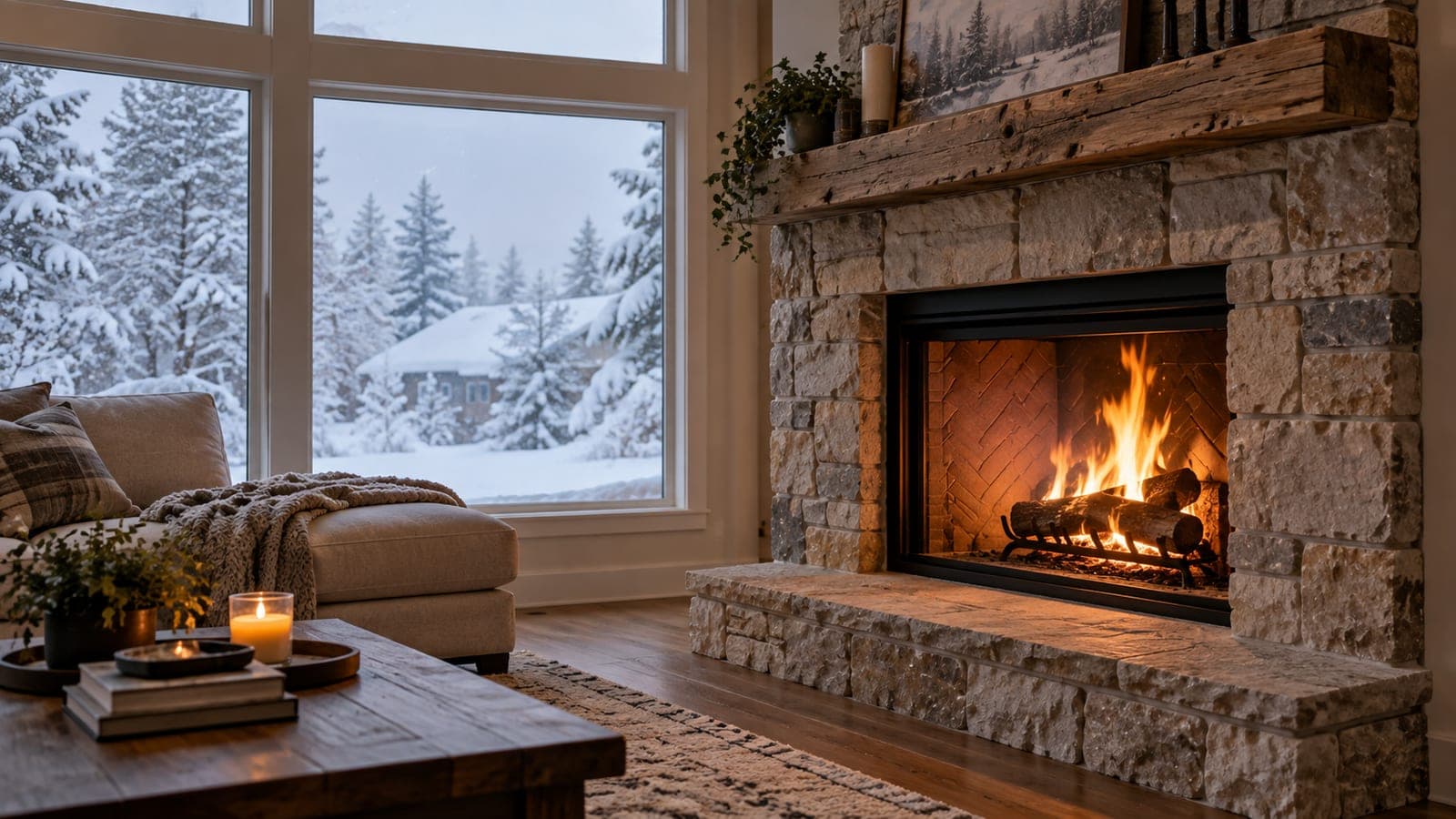
An inspection is the only routine way to see the hidden parts: the flue walls, the smoke chamber, the damper and the top of the chimney. If you want to know what a visit covers, see how regular chimney inspections work.
NFPA 211 and chimney codes: Why they matter
NFPA 211 is the national standard from the National Fire Protection Association covering chimneys, fireplaces, vents and solid-fuel appliances. Its core recommendation is simple: chimneys, fireplaces and vents should be inspected at least once a year and cleaned, maintained or repaired as needed. That applies to wood-burning fireplaces, wood stoves, inserts and gas appliances alike.
The standard also describes three levels of inspection, so the depth of the check matches the situation. Local building departments decide which codes apply where you live, so check with yours before major work.
| Level | When it is typically used | What it covers |
|---|---|---|
| Level 1 | Annual check of a system in continued use with no changes | Readily accessible parts of the chimney, firebox and connections; confirms the flue is free of obstructions and combustible deposits |
| Level 2 | Home sale or transfer, a change in fuel or appliance, a relining, or after a chimney fire, storm or other damaging event | Everything in Level 1 plus accessible attics, crawl spaces and basements, and a video scan of the flue interior |
| Level 3 | When a serious hidden problem is suspected and Level 1 or 2 cannot confirm it | May involve removing parts of the structure, such as a wall section or crown, to reach concealed areas |
Codes also govern chimney height. A widely used rule requires a masonry chimney to extend at least 3 feet above where it passes through the roof and at least 2 feet higher than any part of the building within 10 feet. A chimney that is too short can draft poorly and push smoke back into the room. If you are buying a home, a real estate chimney inspection is the usual way to get a Level 2 look before closing.
What an inspector looks at, part by part
The importance of a chimney flue
The flue is the passage smoke travels through, and its liner is the chimney's most important safety layer. A sound liner contains heat so it does not reach nearby framing, resists the acidic byproducts of combustion, and is sized to the appliance so the chimney drafts properly. Clay tiles can crack after a chimney fire or from years of heating and cooling, and mortar joints between tiles can erode. Metal liners can corrode, especially on gas appliances that produce acidic condensation. Because most of the flue is impossible to see with a flashlight, a chimney camera inspection is the standard way to check its full length.
The importance of a chimney crown
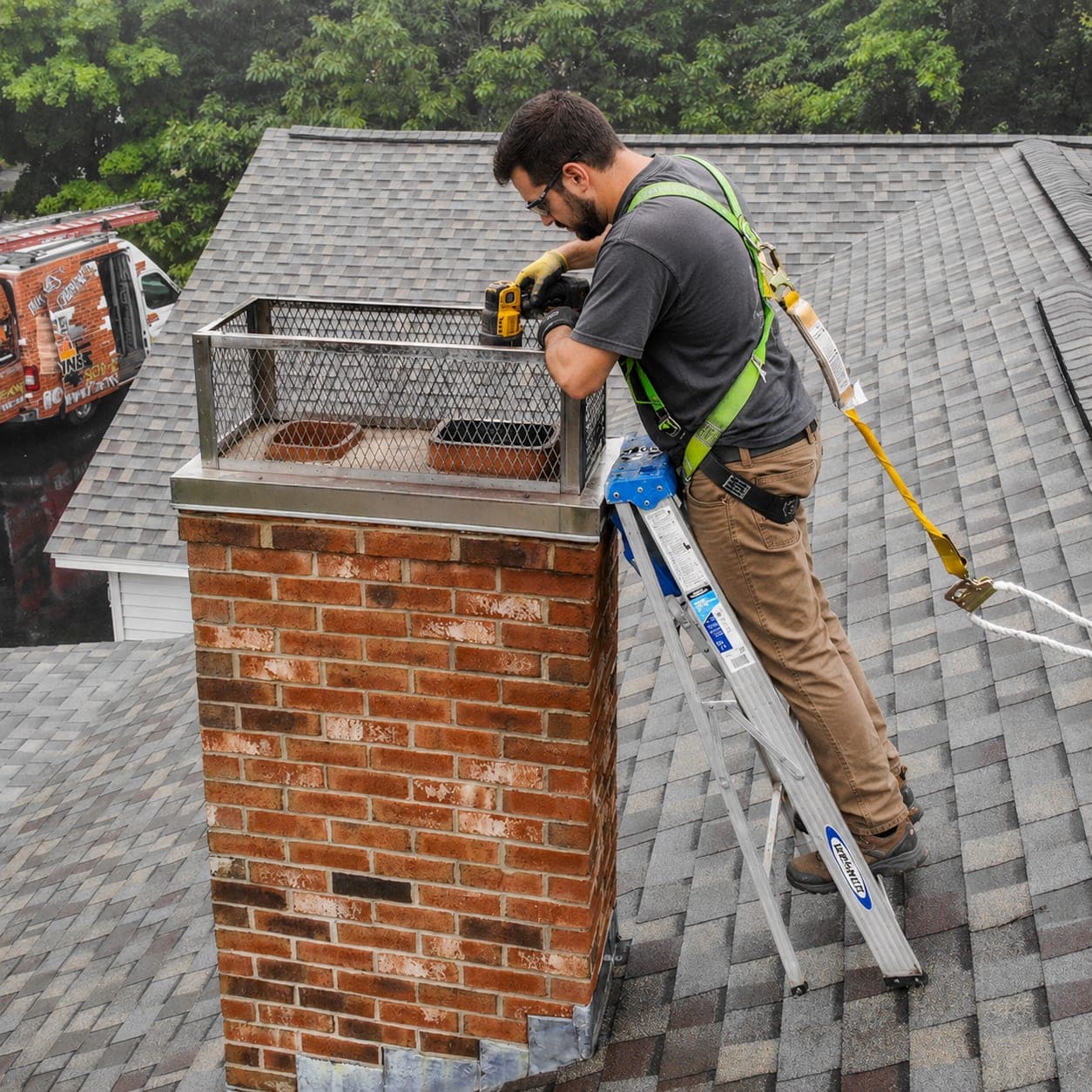
The crown is the concrete or mortar slab that seals the top of a masonry chimney around the flue. Its job is to shed water away from the bricks. A good crown slopes away from the flue and overhangs the chimney sides so water drips clear instead of running down the face. Many crowns are built with plain mortar that cracks within a few seasons. Once water gets in, freeze-and-thaw cycles in cold weather widen the cracks and push apart the bricks below. The crown is different from the cap: the cap is the metal cover over the flue opening that keeps out rain, animals and debris.
The importance of chimney chase tops
Prefabricated (factory-built) fireplaces usually sit inside a framed chase covered in siding, topped with a metal chase cover. That cover does the same job as a masonry crown. Galvanized steel covers can rust, sag and collect standing water, which eventually leaks into the chase. Signs include rust streaks on the siding, water stains around the fireplace, and rust inside the firebox. Replacing a failing cover with one that is sloped or crimped to shed water, often in stainless steel, protects the framing and the fireplace beneath it.
Warning signs worth an inspection
01Smoke or odor in the room
- What you may notice
- Smoke rolls out of the fireplace, or a smoky or musty smell lingers, especially in humid weather
- How it’s confirmed
- Draft check, flue camera scan and a look at the damper, cap and smoke chamber
02Black flakes or a tar-like glaze in the firebox
- What you may notice
- Flaky, crunchy or shiny black deposits on the damper or flue walls
- How it’s confirmed
- Visual check of creosote type and depth, then cleaning if needed
03Scratching, chirping or debris falling
- What you may notice
- Noises in the flue, twigs or nesting material on the smoke shelf
- How it’s confirmed
- Flue inspection and a check of the cap and screen
The importance of regular chimney sweeping
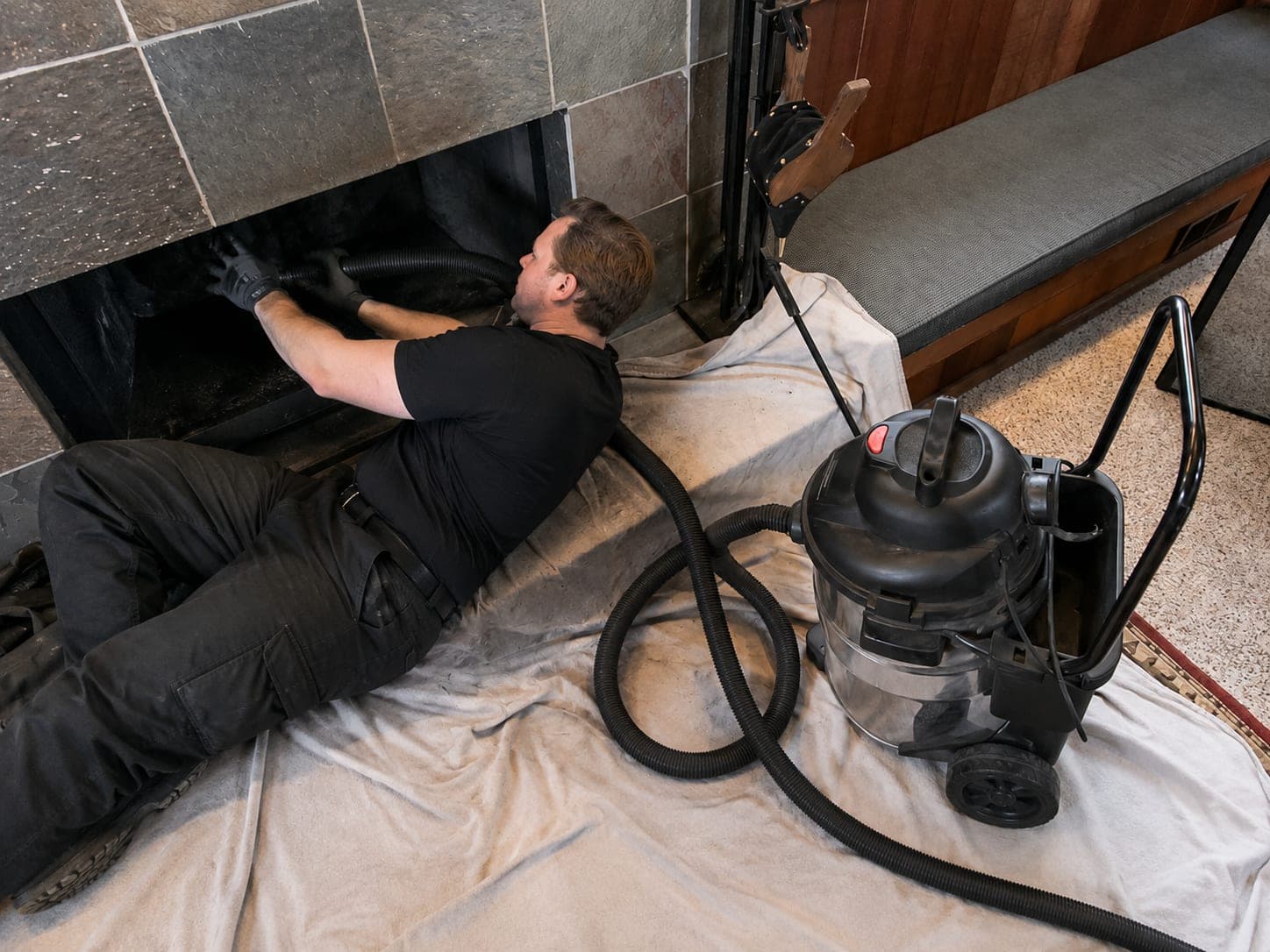
An inspection tells you what is there; sweeping removes it. Wood smoke leaves creosote on the flue walls, and creosote is flammable. It tends to build up in three stages: a light, sooty layer that brushes off easily, a crunchy, flaky layer that is harder to remove, and a hard, shiny glaze that is the most dangerous and the most difficult to clean. A common rule of thumb is to sweep when buildup reaches about 1/8 inch, and sooner if any glazing appears. Our page on creosote cleaning explains the stages in more detail, and the regular chimney cleaning service page covers what a sweep involves.
| Feature | Inspection | Sweeping |
|---|---|---|
| Purpose | Find damage, blockages and deposits | Remove creosote, soot and debris |
| How often | At least once a year, per NFPA 211 | When buildup calls for it |
| Result | A clear picture of the system's condition | A cleaner, safer flue |
| Gas appliances | Still needed yearly | Less frequent, but blockages still happen |
Purpose
- Inspection
- Find damage, blockages and deposits
- Sweeping
- Remove creosote, soot and debris
How often
- Inspection
- At least once a year, per NFPA 211
- Sweeping
- When buildup calls for it
Result
- Inspection
- A clear picture of the system's condition
- Sweeping
- A cleaner, safer flue
Gas appliances
- Inspection
- Still needed yearly
- Sweeping
- Less frequent, but blockages still happen
The importance of regular chimney maintenance
Inspection and sweeping catch problems; maintenance prevents them. Small items left alone tend to grow into the bigger repairs covered in our guide to common chimney issues.
Yearly homeowner checklist
- Schedule an inspection before the first fire of the season
- Burn only dry, seasoned wood; wet wood produces more creosote
- Make sure the cap and animal screen are intact
- Open and close the damper to confirm it seals and moves freely
- Look for white staining, loose bricks or cracked mortar on the exterior
- Check ceilings and walls near the chimney for water stains
- Test smoke and carbon monoxide detectors
The importance of chimney waterproofing
Water does more long-term damage to masonry chimneys than fire does. Brick and mortar are porous and soak up rain. Over time that moisture causes spalling (brick faces flaking off), crumbling mortar, rusted dampers and stained interior walls. A professional waterproofing treatment uses a vapor-permeable water repellent that keeps rain out while letting trapped moisture escape. Ordinary paint or non-breathable sealers can trap water inside the brick and make spalling worse.
Fix the sources first
Waterproofing works best after the crown, flashing and cap are sound. Treating the brick while water still enters through a cracked crown or loose flashing will not stop the leak.
The importance of chimney rebuilding
Sometimes repair is no longer enough. A chimney that leans, has many loose or spalled bricks, or has mortar that crumbles across large areas may need a partial rebuild, often from the roofline up, or a full rebuild. This is where professional work matters most. A rebuild has to restore correct clearances to framing, the right height above the roof, a properly sized flue liner, a well-built crown and watertight flashing. Mistakes in any of these can bring back the same leaks and safety problems. Regular inspections help you plan for a rebuild instead of being surprised by one. See common chimney problems for how small issues progress to this point.
Stop using the fireplace if you notice
Falling bricks or tiles, a strong smell of smoke in the house, a loud roaring or popping sound from the flue, or signs of a past chimney fire such as puffy, honeycombed creosote. If you hear roaring or see flames or sparks from the top of the chimney, get everyone out and call 911. Have the system inspected before the next fire.
If it is time for an inspection or you have spotted a problem, get in touch to request a free estimate; same-day service is offered where the schedule allows, and emergency calls are accepted 24 hours a day, Sunday through Friday.