What a pellet stove actually is
A pellet stove is a heating appliance that burns small cylinders of compressed sawdust and wood waste. A wood stove depends on you to load logs and adjust the air. A pellet stove is closer to a small furnace. It feeds fuel automatically, controls combustion air with fans and holds a set temperature with little input from you. Pellet stoves come as freestanding units that sit on a hearth pad and as inserts that slide into an existing masonry or factory-built fireplace.
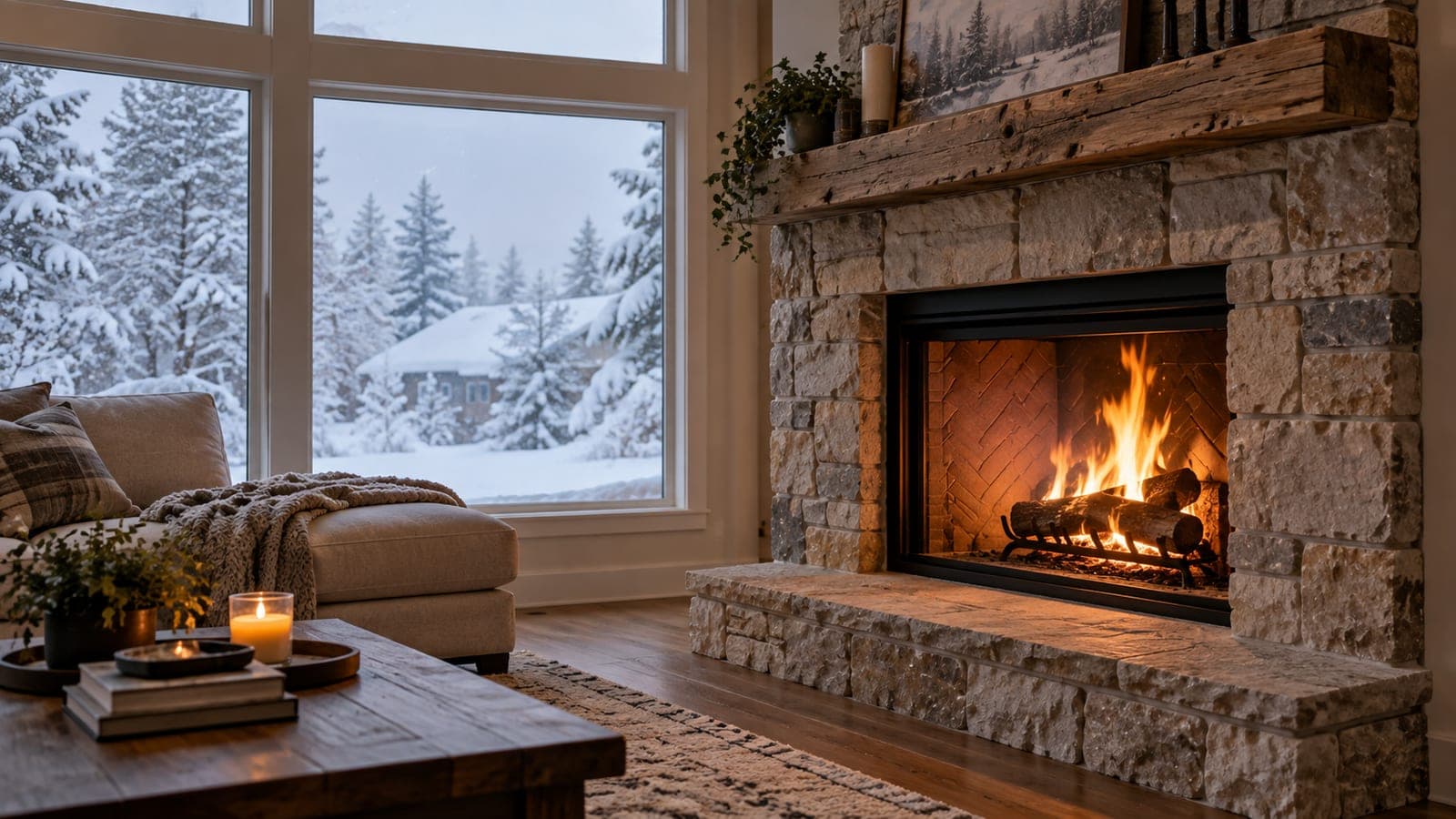
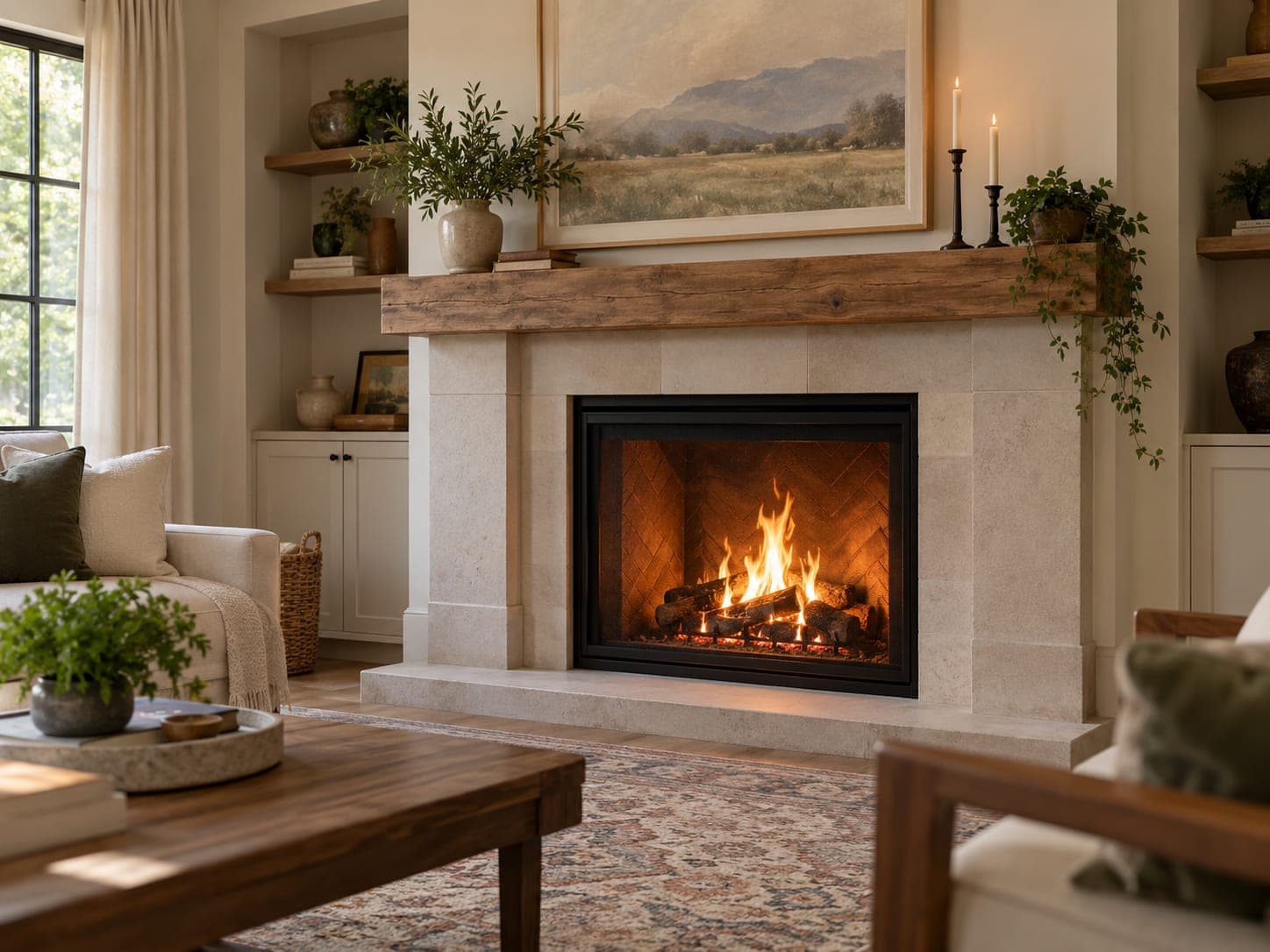
An insert is a good fit when you already have a fireplace that lets most of its heat go up the chimney. It turns that opening into a sealed, controlled heat source. Before you choose, it helps to know the parts of a traditional fireplace, because the condition of the firebox, damper area and flue affects whether an insert can be fitted cleanly.
How pellet stoves work
From hopper to heat
Hopper
You pour bagged pellets into a storage bin, usually at the top or back of the stove. Depending on its size and the heat setting, a full hopper can run for many hours.
Auger
A motor-driven screw moves pellets from the hopper into the burn pot at a rate set by the control board.
Igniter
An electric heating element lights the pellets automatically when the stove calls for heat.
Combustion fan
Also called the exhaust fan, it pulls air through the burn pot and pushes exhaust out the vent. This forced draft is why pellet stoves can vent sideways through a wall.
Heat exchanger and convection fan
Hot exhaust passes through metal tubes or passages. A room blower moves air across them and into the living space.
Safety switches
Pressure (vacuum) switches and temperature sensors shut the stove down if draft is lost or a part overheats.
Pellet stoves need electricity
Without power, the auger, fans and controls stop. Exhaust can also back up into the room as the fire dies down. If a carbon monoxide alarm sounds or anyone feels unwell, get everyone outside and call 911. Many owners add a battery backup or plan for a generator. Ask the manufacturer what your model supports before relying on it as a main heat source.
Pellet vs. Wood vs. Gas: A practical comparison
Pellet stoves sit between wood and gas in convenience. If you are weighing options, it is worth reading about how gas stoves compare on day-to-day effort, since gas avoids fuel storage and ash entirely.
| Factor | Pellet stove | Wood stove | Gas stove |
|---|---|---|---|
| Fueling | Fill hopper; auto-fed | Load logs by hand | Piped fuel; no loading |
| Temperature control | Thermostat-driven | Manual air control | Thermostat or remote |
| Needs electricity | Yes | No | Often no for basic operation |
| Fuel storage | Dry indoor space for bags | Covered woodpile | None |
| Ash and cleaning | Frequent light cleaning | Regular ash removal and creosote checks | Minimal; periodic service |
| Venting | Pellet vent pipe; wall or vertical | Full chimney or listed chimney pipe | Direct vent or chimney liner |
| Moving parts | Several motors, fans, sensors | Few | Valve, pilot or igniter |
Venting a pellet stove
Because a fan drives the exhaust, pellet stoves use smaller, sealed vent pipe rated for pellet appliances. The three common setups are:
- Horizontal through the wall, often with a short vertical rise outside to help natural draft during a power loss.
- Vertical through the roof, which generally drafts better on its own and keeps exhaust away from windows and doors.
- Through an existing chimney, usually with a liner run from the insert to the top. This keeps exhaust contained and sized correctly, so it does not wander through an oversized masonry flue.
Clearances, vent length, termination location and the type of pipe allowed all come from the stove manufacturer's instructions and the local building code. They are not the same for every model. For a sense of the planning steps, see what pellet fireplace installation involves.
Check the existing fireplace before adding an insert
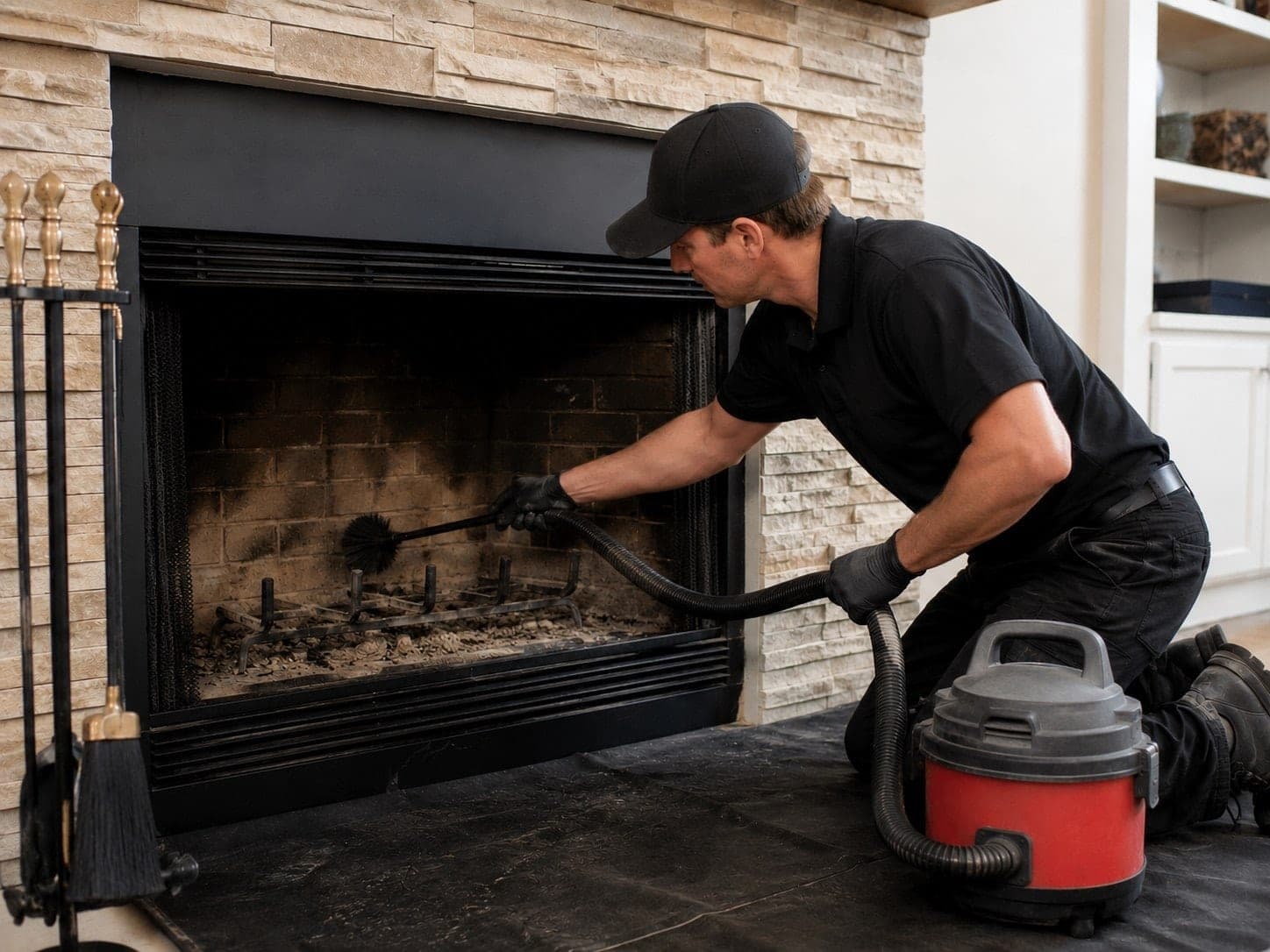
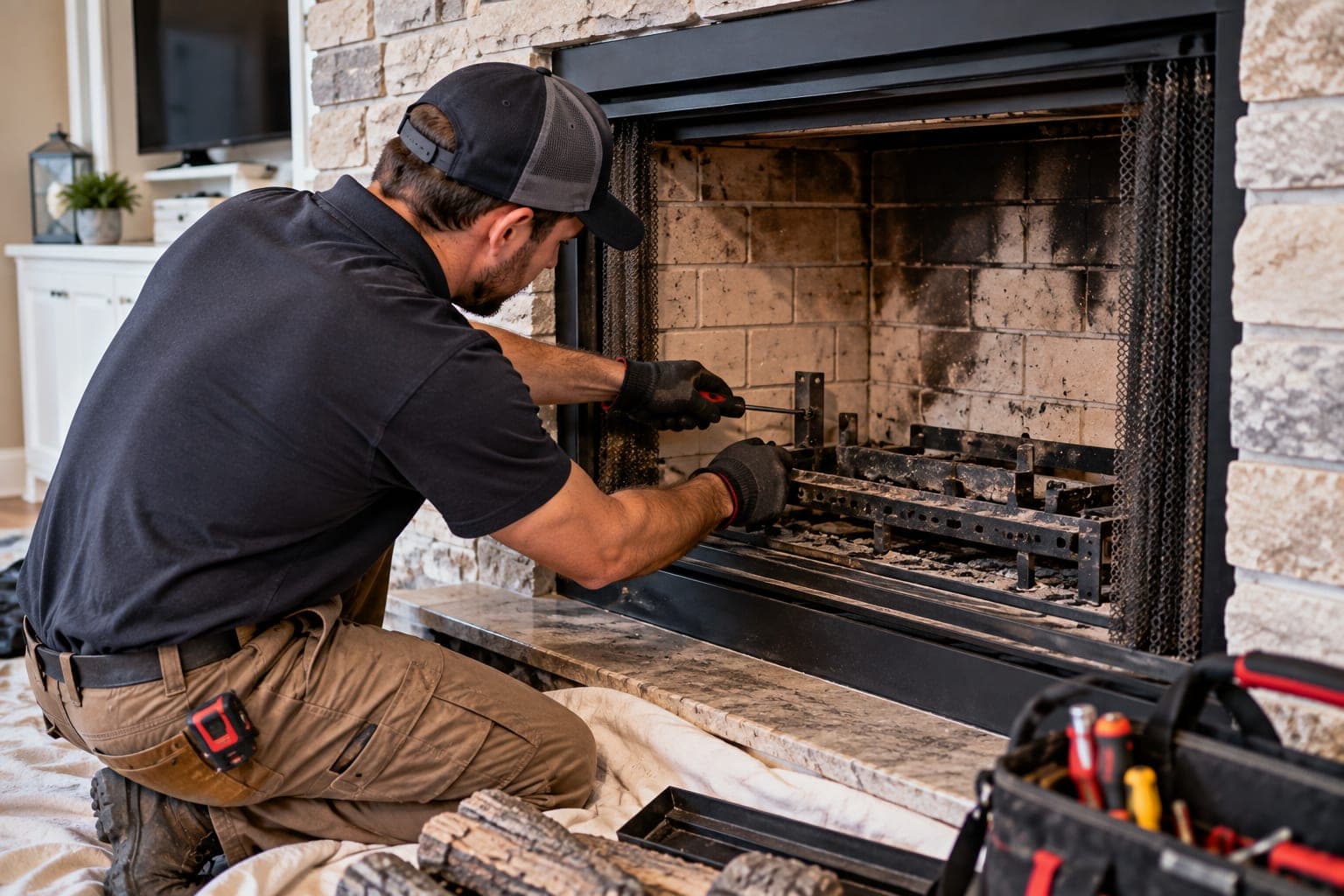
An insert hides most of the firebox, so problems should be dealt with before it goes in. Loose or cracked firebox brick, deteriorated mortar, or a damaged smoke chamber above the damper are much harder to reach once the unit and liner are installed. Any creosote left from past wood fires should also be cleaned out first.
Choosing and storing pellet fuel
Fuel quality shows up directly in how the stove runs. Lower-quality pellets tend to leave more ash and clinkers, the hard glassy lumps that block burn pot air holes. They also produce more dust and can cause more frequent shutdowns. Your owner's manual will usually name a minimum grade. Premium-grade pellets with low ash content are the common recommendation.
Fuel habits that prevent problems
- Store bags off the floor in a dry space; damp pellets swell, crumble and jam the auger.
- Pour from the bag carefully and leave the fine dust at the bottom out of the hopper.
- Try one bag of a new brand before buying a season's supply.
- Do not burn anything the manufacturer does not approve, such as corn or other biomass, unless the stove is listed for it.
- Keep the hopper lid closed and sealed while the stove runs.
Routine pellet stove maintenance
Pellet stoves are clean-burning, but they produce fine fly ash that builds up quickly in tight passages. Most service calls trace back to cleaning that was skipped. Follow your manual first. As a general pattern, the work breaks down like this:
| How often | Task |
|---|---|
| Daily or every few bags | Scrape or empty the burn pot so the air holes stay open |
| Weekly, with heavy use | Empty the ash pan; wipe the glass once the stove is cool |
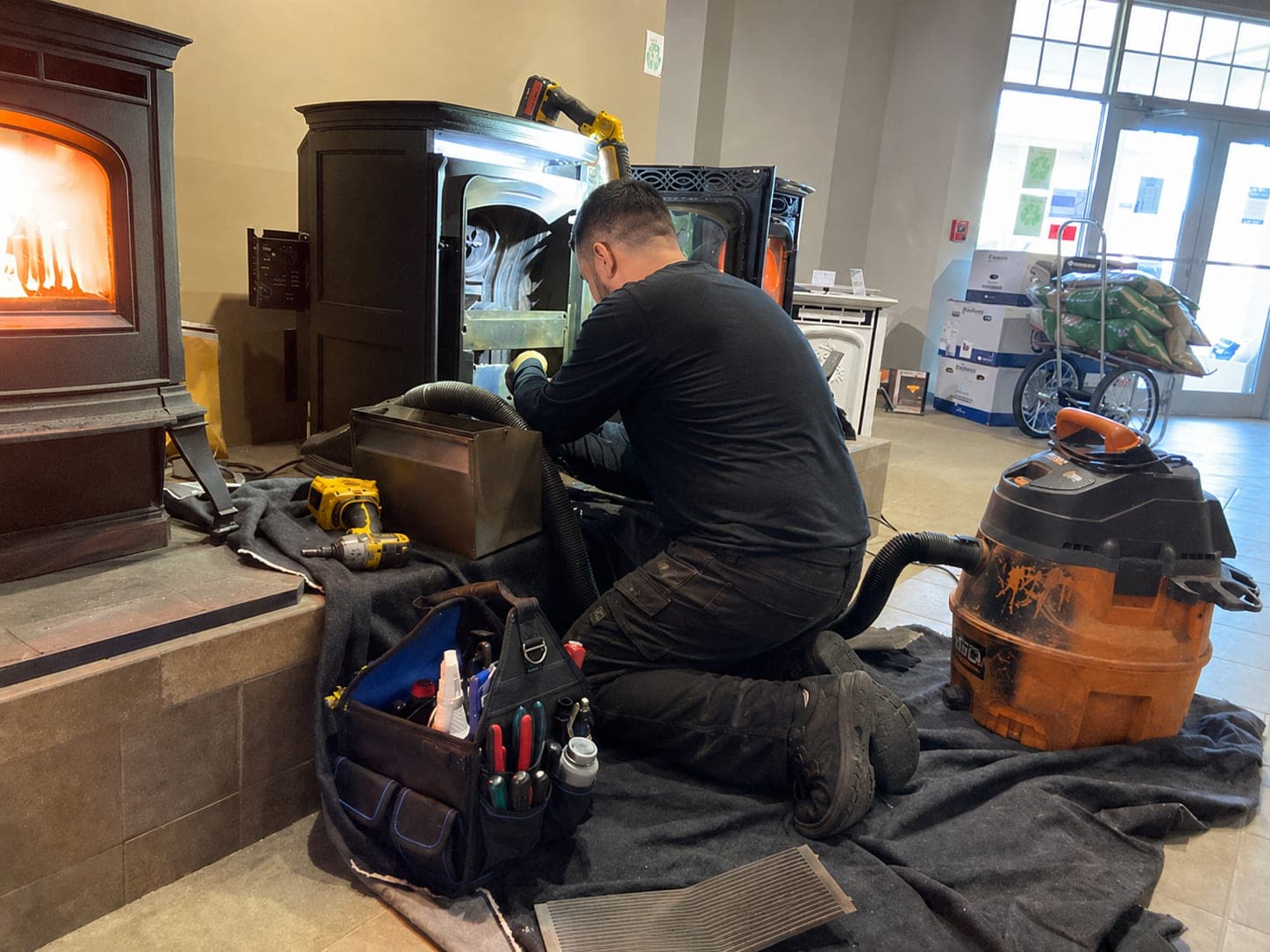
| Monthly, with heavy use | Brush or rod the heat exchanger tubes; vacuum ash from inside the firebox with an ash-rated vacuum |
| End of season | Empty the hopper so leftover pellets don't absorb moisture over summer |
| Yearly | Clean the full vent run and exhaust fan housing; inspect door and hopper gaskets |
Ash in the vent matters
Fly ash collects in the vent pipe, especially at tees and horizontal runs. A partly blocked vent can trip the pressure switch, cause a smoky smell or produce a lazy, dark flame. Yearly vent cleaning is the single most useful thing to schedule.
Common pellet stove problems
Symptoms and what usually causes them
01Stove won't light
- What you may notice
- Fan runs, pellets drop, but no flame; error code after a few minutes
- How it’s confirmed
- Burn pot checked for clinkers blocking the igniter; igniter element and wiring tested
02Lazy orange flame and sooty glass
- What you may notice
- Tall dark flame, black film on the glass, unburned pellets piling up
- How it’s confirmed
- Vent, exhaust fan and air intake checked for ash buildup; door gasket checked for leaks
03Repeated shutdowns
- What you may notice
- Stove runs, then stops on its own; vacuum or pressure error
- How it’s confirmed
- Vent run inspected for blockage; pressure switch hose checked for clogs or cracks
04Pellets not feeding
- What you may notice
- Fire burns out while the hopper still has fuel; grinding or clicking noises
- How it’s confirmed
- Auger checked for jams from damp pellets or fines; auger motor tested
Some fixes are simple cleaning jobs you can do yourself. Motors, control boards, igniters and switches are better left to someone who works on these appliances. Our overview of pellet stove repair explains what a technician typically checks.
Is a pellet stove right for your home?
Questions to answer before you buy
- Do you have dry indoor space to store bagged fuel for the season?
- Are you comfortable with frequent light cleaning and an annual vent cleaning?
- Can you plan for power outages with a battery backup or generator?
- Is there a practical vent route, whether a wall, the roof or an existing chimney?
- If using a fireplace, is the firebox, smoke chamber and flue in sound condition?
- Would you rather have no fuel handling at all? If so, gas may suit you better.
If you mainly want more warmth from the fireplace you already have, our guide to getting more heat from a fireplace covers other options worth comparing before you commit to a new appliance.
If you're planning to put an insert into an existing fireplace, get in touch to have the chimney and fireplace inspected first.