A leaning chimney is a cause for concern
A masonry chimney is very heavy. Once it starts to tilt, gravity keeps pulling it the same way, and the movement rarely stops by itself. The lean also strains the flue inside. Gaps can open between flue tiles and let smoke, heat and carbon monoxide escape into the house, even when the outside still looks fairly solid. As the chimney pulls away from the roof, it tears the flashing and opens a path for leaks. In the worst case, a section can fall onto the roof, a walkway or the driveway. If bricks are falling or it looks like it could come down, keep everyone away from the area below it and call 911.
If it's moving, stay clear
Don't light a fire, and keep people and vehicles out of the area where bricks could land. Emergency calls are accepted, and we're available 24 hours, Sunday through Friday.
What the visit covers
A lean usually means the footing has settled or the masonry has failed, and it rarely stops on its own. Loose masonry high on a leaning stack can fall onto the roof, a walkway or a driveway. If bricks are falling or it looks like it could come down, keep everyone away from the area below it and call 911.
Look at the whole stack
The lean, the gap at the house and the condition of the masonry from the ground and the roof where safe.
Find the cause
Footing, masonry failure or the attachment — the cause decides the repair.
Explain the options
Stabilizing, a partial rebuild from the roofline, or a rebuild from the footing.
Plan the work
The scope and any temporary measures to keep the area safe are agreed before work starts.
If the chimney is moving
Stop using the fireplace and keep everyone away from the area below the chimney. If bricks are falling or it looks like it could come down, call 911.
What gets checked
- Masonry joints and cracks
- Footing and base
- Gap at the house and roof
- Degree of lean and how fast it changes
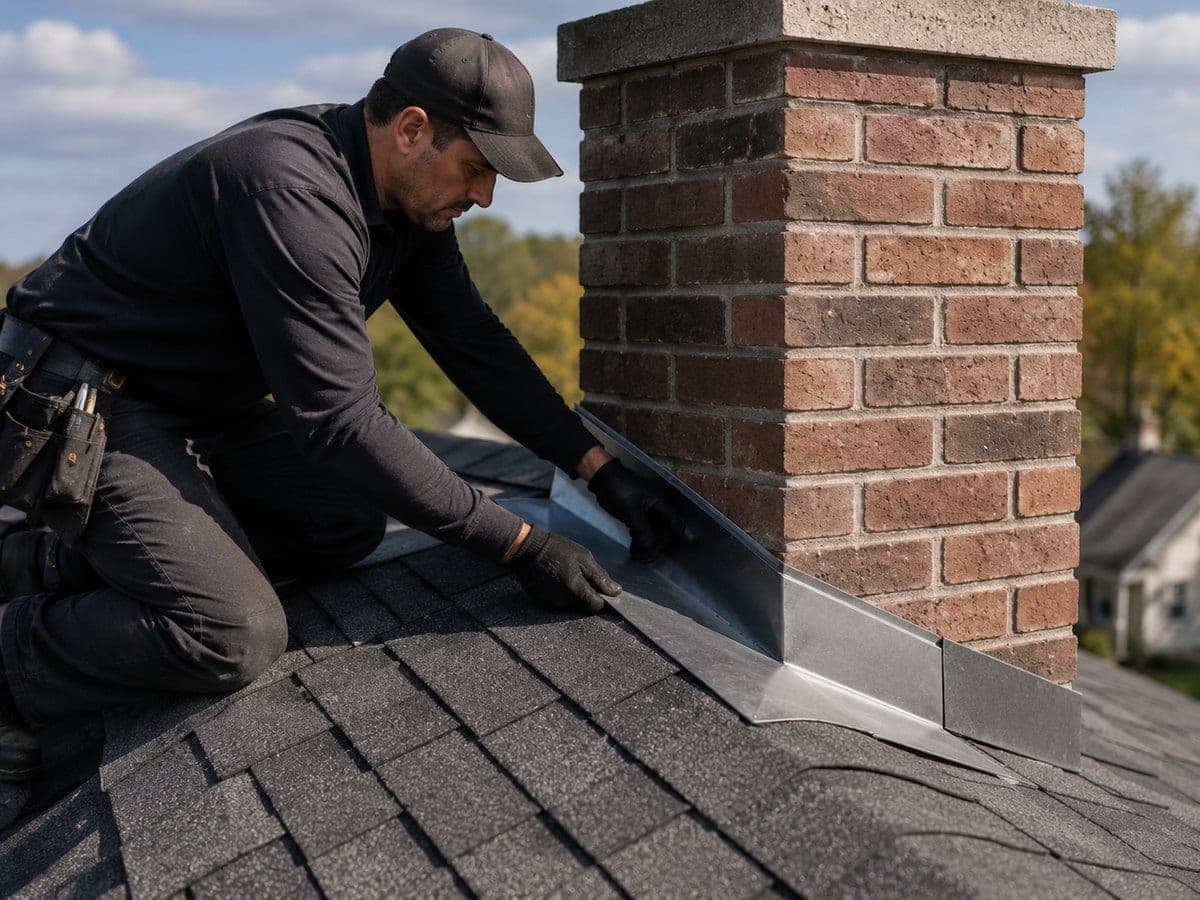
- Flashing and roof connection
Signs it's time for leaning chimney repair
- Loose or falling bricks near the top
- Cracks inside around the fireplace or the hearth
- A gap opening between the chimney and the siding or roof
- Stair-step cracks in the masonry
Is your home's chimney leaning? What to look for
Signs of a chimney leaning away from the house
- A gap between the chimney and the siding or wall that is wider at the top than at the bottom
- A visible tilt when you compare the chimney to a straight corner of the house
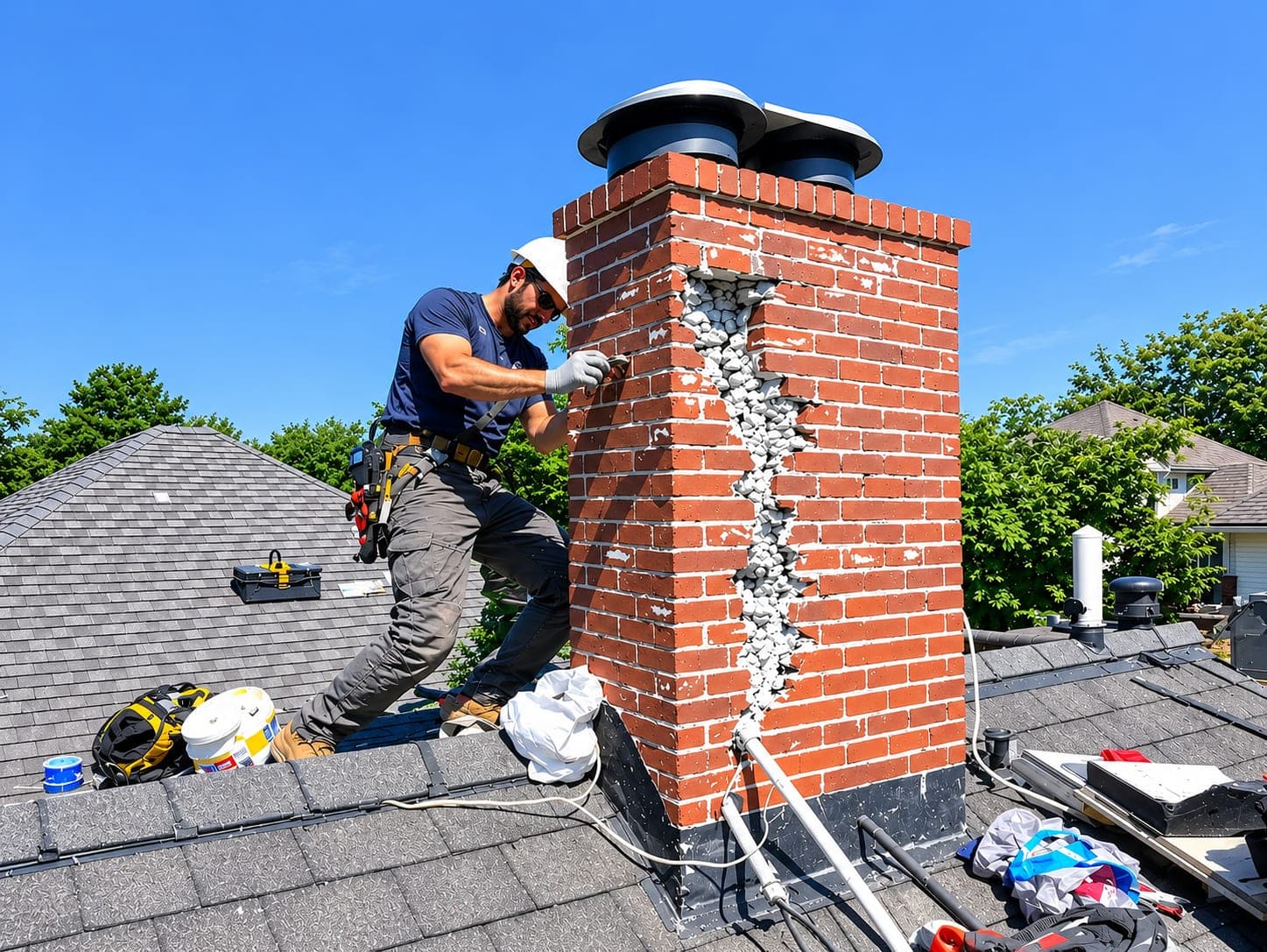
- Diagonal or stair-step cracks through the mortar joints
- Torn or separated flashing, or a new roof leak next to the chimney
- Cracks inside where the fireplace face meets the wall, or a hearth pulling away
- A cracked crown or a cap that now sits crooked
Common causes include a footing that has settled or was undersized, soil washing out from under the base, and mortar at the bottom of the stack weakened by years of water. Cracking is often the first sign of movement, and our page on why chimney cracks open up explains how to read them. A cap that suddenly sits crooked can be another clue; see crooked or damaged chimney caps.
Leaning chimney: we fix the structural issue
Caulking the gap or patching cracks only hides the movement. A lasting repair takes the out-of-plumb masonry down to sound brick and lays it back straight.
| Feature | Partial rebuild | Full rebuild |
|---|---|---|
| When it fits | The lean or damage is limited to the section above the roofline | Movement starts near the base, or the whole stack is out of plumb |
| What's done | Taken down to sound masonry and relaid straight | Dismantled and rebuilt from a sound base |
| Also addressed | New crown, flashing and cap | Flue liner, crown, flashing and cap |
When it fits
- Partial rebuild
- The lean or damage is limited to the section above the roofline
- Full rebuild
- Movement starts near the base, or the whole stack is out of plumb
What's done
- Partial rebuild
- Taken down to sound masonry and relaid straight
- Full rebuild
- Dismantled and rebuilt from a sound base
Also addressed
- Partial rebuild
- New crown, flashing and cap
- Full rebuild
- Flue liner, crown, flashing and cap
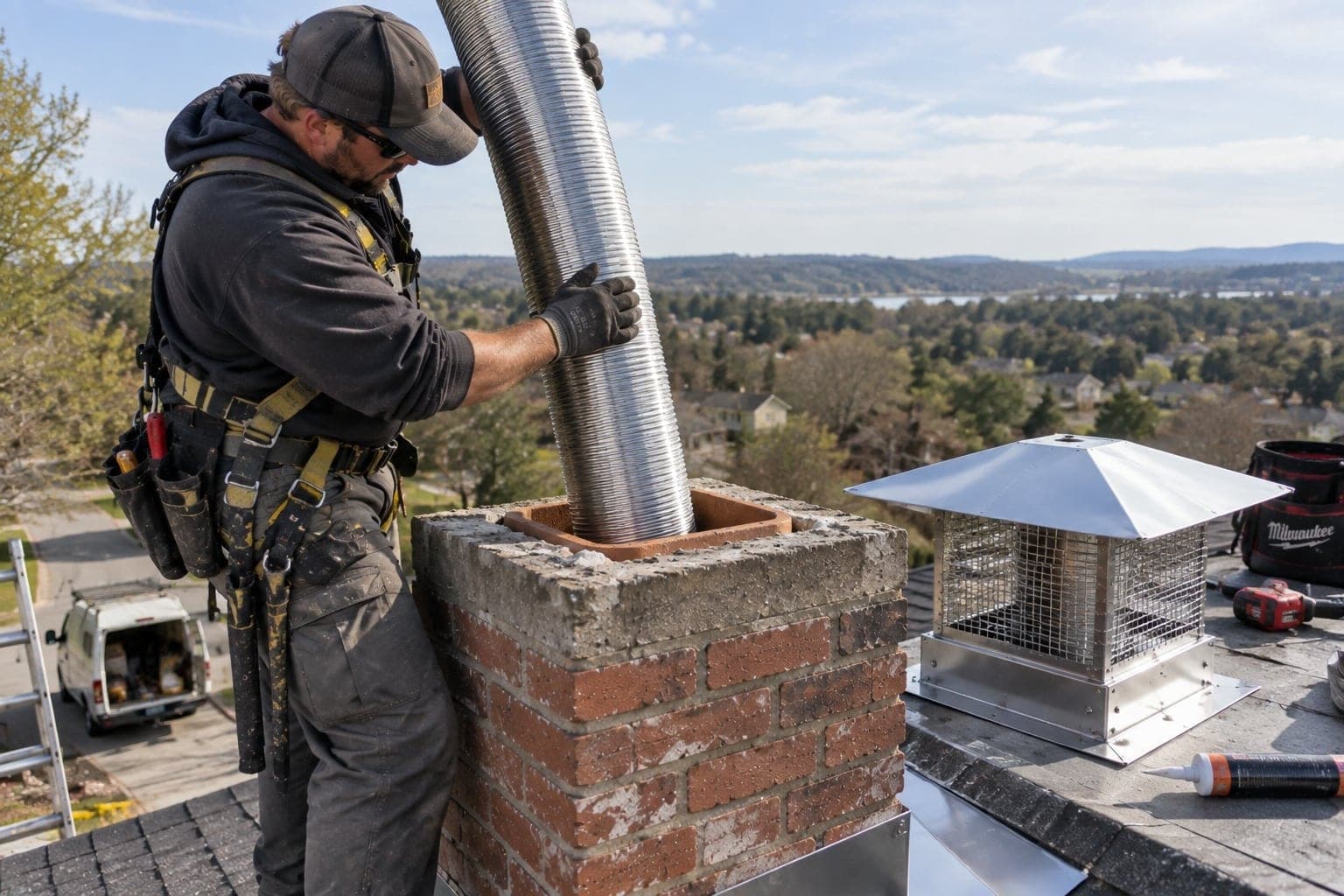
Our brick chimney rebuilding and repointing covers the masonry above. Inside, fireplace and chimney repair takes care of a cracked firebox or a hearth that has shifted. Movement often damages the flue, so how chimney liners protect your home is worth reading too. If the cause turns out to be a footing below ground, that is foundation work, not chimney masonry, and we'll tell you plainly what we found.