Sorting the cracks: cosmetic, water-related or structural
A cracked chimney isn't one problem. It's a symptom that can come from weather, heat, settling or age. Before any repair, the useful questions are which part is cracked, whether the crack is still moving, and whether it affects how safely the chimney carries smoke out of the house.
Common crack locations and what they point to
01Cracked or flaking bricks
- What you may notice
- Faces popping off, hairline cracks across individual bricks, white residue on the surface
- How it’s confirmed
- Visual check of the exterior masonry and probing for loose units
02Cracked flue tiles
- What you may notice
- Bits of clay tile in the firebox, weak draft, smoke smell in other rooms
- How it’s confirmed
- Camera inspection down the length of the flue
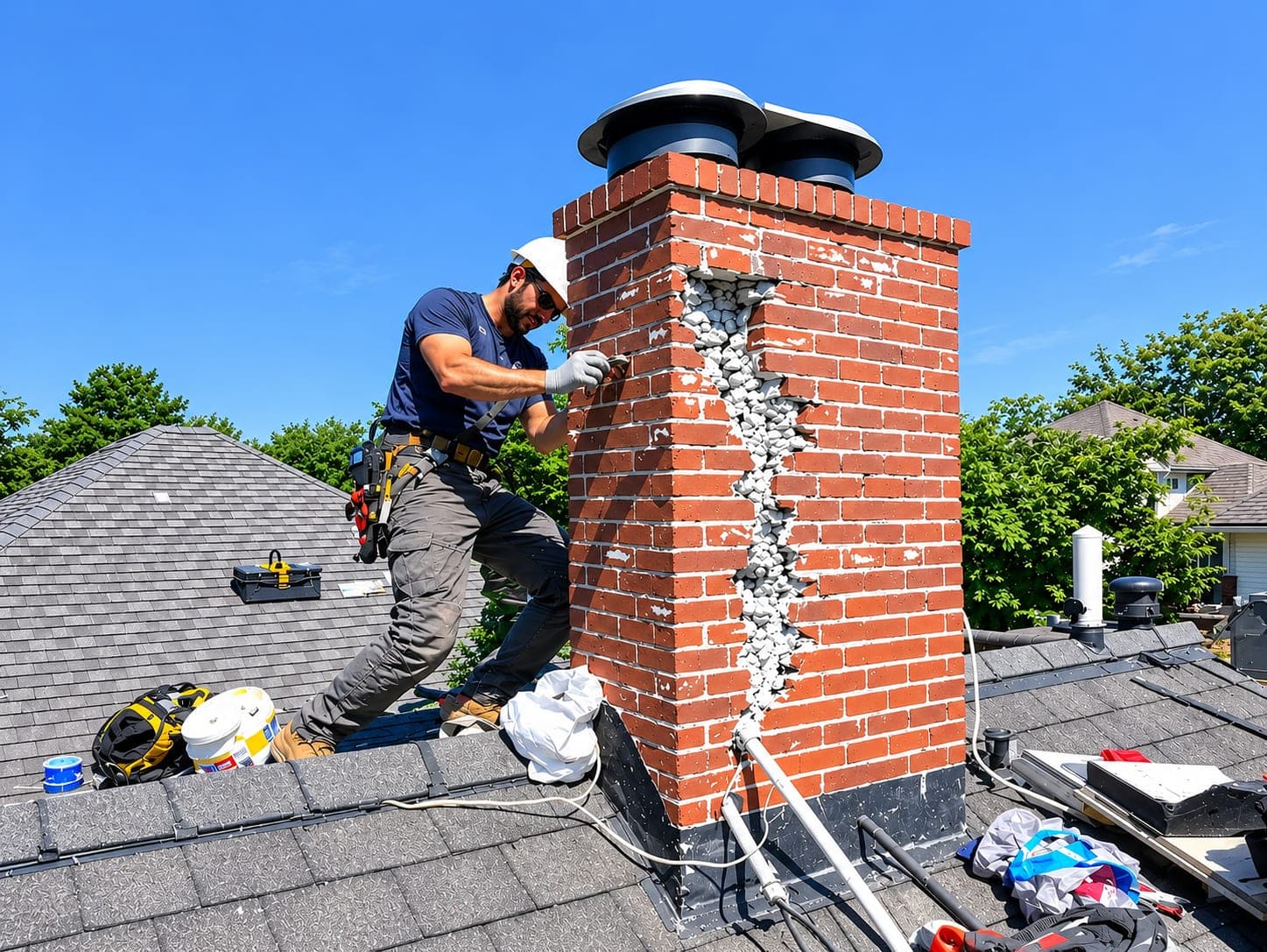
03Stair-step or long vertical cracks
- What you may notice
- Cracks following mortar joints across several courses, a gap between chimney and siding, a visible lean
- How it’s confirmed
- Exterior inspection for movement and separation from the house
04Cracks in the firebox
- What you may notice
- Gaps between firebricks, cracked refractory panels, mortar falling out
- How it’s confirmed
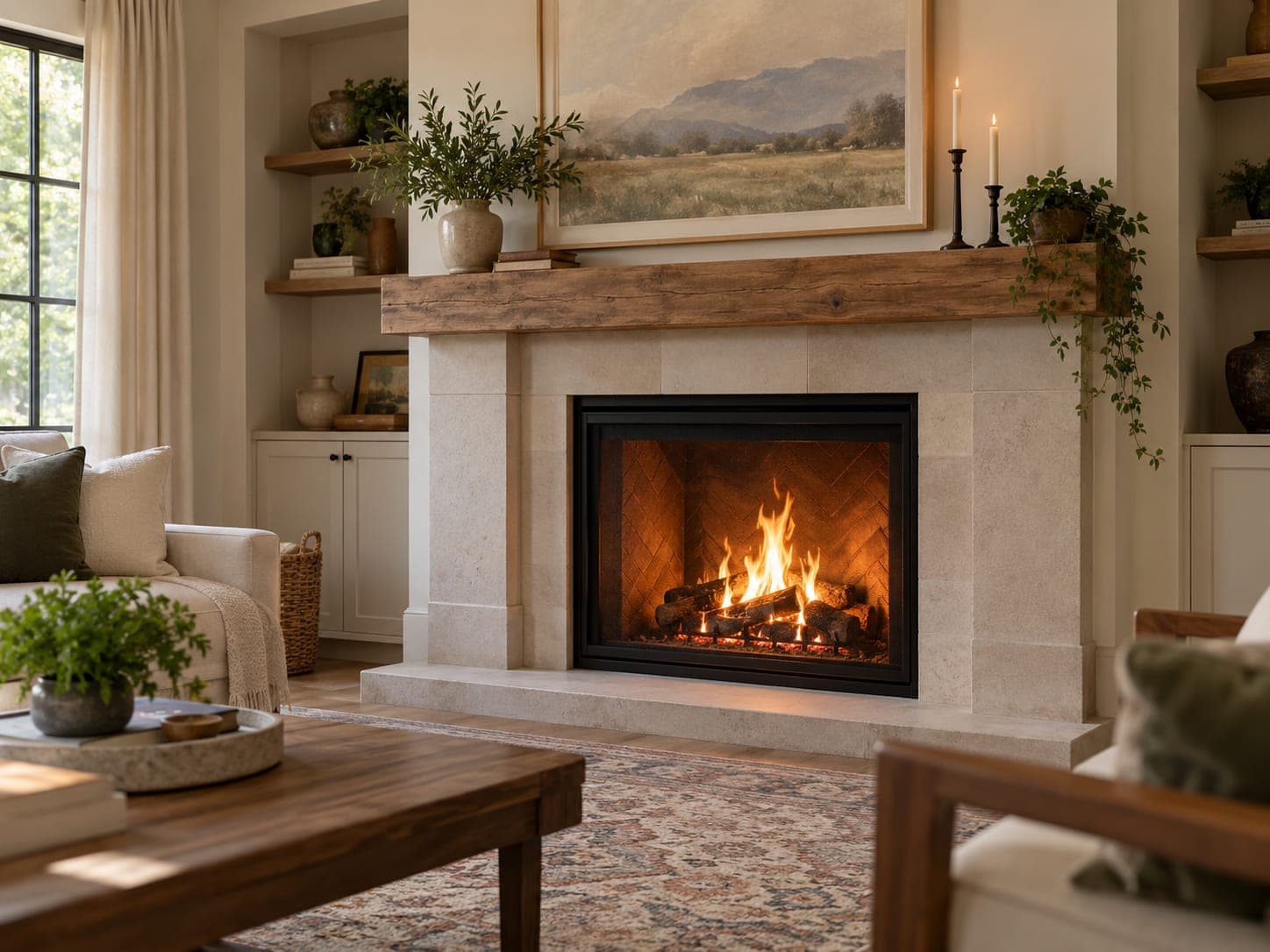
- Inspection of the firebox and smoke chamber from inside the fireplace
The cracks you can't see from the yard
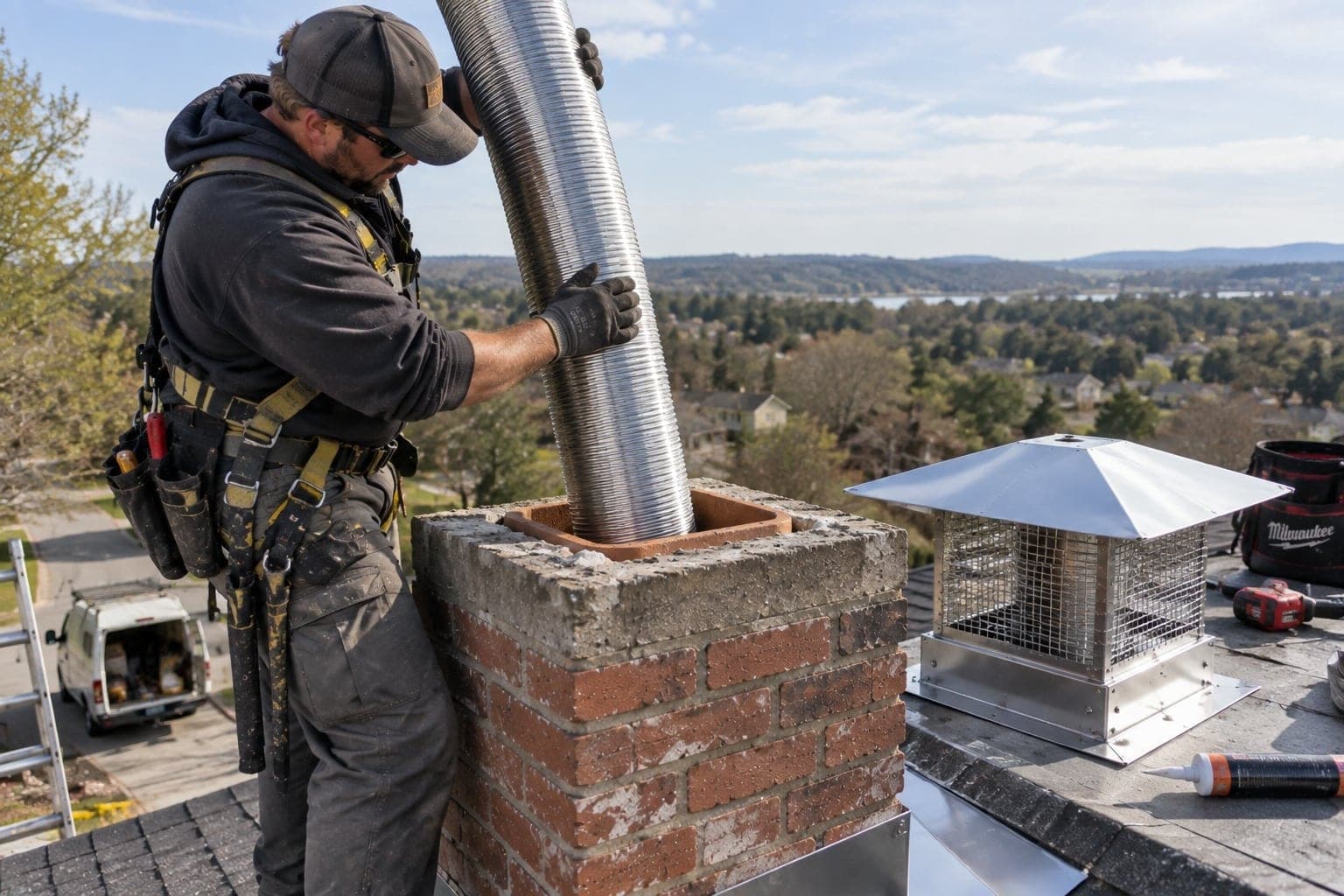
The most important cracks are often inside. A cracked clay flue tile lets heat and combustion gases reach the surrounding brick and framing, which is why a chimney can look fine outside and still be unsafe to use. A chimney camera inspection shows the liner from top to bottom without opening anything up. If tiles are cracked, the fix may be repairing the liner or installing a new one, and our liner guide walks through the options.
Outside, isolated cracks in individual bricks are usually a moisture problem and can be repaired by replacing units and repointing. A chimney that leans or pulls away from the house is different: it needs a closer look before the next fire, and sometimes a partial or full rebuild through our masonry chimney repair work.
Cracked chimney repair in Connecticut
We work with homeowners in Hartford and elsewhere in Connecticut on cracked chimneys of every kind, from a few loose bricks to a stack that needs rebuilding above the roofline. Cracks tend to get noticed at particular moments, and we can help at each one:
- During a home sale: a real estate chimney inspection gives buyers and sellers a clear picture of what's cracked and what it means.
- After a storm: a storm damage chimney inspection checks for impact damage, displaced bricks and new cracks after high winds or falling limbs.
- When debris lands in the fireplace: tile shards or chunks of mortar are a reason to stop using it until the source of broken flue tiles is found.
Estimates are free, same-day service is offered where the schedule allows, and emergency calls are accepted 24 hours a day, Sunday through Friday if a damaged chimney looks unstable.
How the visit works
A damaged liner or firebox lets heat reach parts of the house it shouldn't. Water that gets into a chimney widens cracks every season and can rot nearby framing.
Inspect
Masonry, crown, flashing, cap and the inside of the flue are checked.
Trace the cause
The repair targets what is actually failing, not just the symptom.
Agree the scope
Nothing starts until you've approved what will be done.
Fix and finish
The work is completed and the area left clean.
Carbon monoxide
A blocked or damaged flue can push carbon monoxide into the home. If an alarm sounds or anyone feels dizzy or sick near the fireplace, get everyone outside and call 911.
Signs it's time for chimney repair
- A cracked or crumbling crown
- A cap that is loose, rusted or missing
- Water stains on the ceiling or wall beside the chimney
- Cracked, flaking or spalling brick
- Pieces of flue tile in the firebox
What gets checked
- Mortar joints and brick faces
- Crown cracks and pooling water
- Flue liner condition
- Cap, screen and chase cover
- Damper and smoke chamber
- Firebox walls and floor
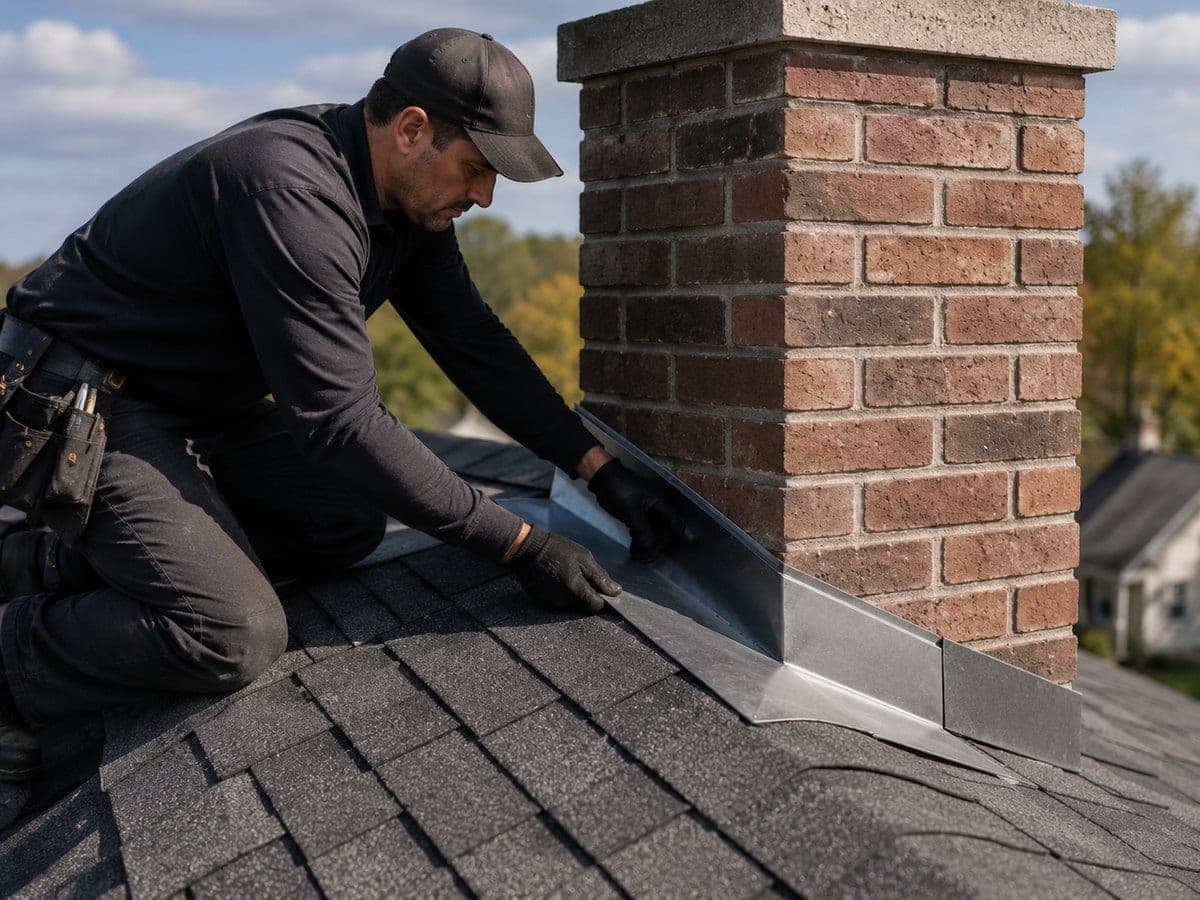
- Flashing seal at the roof